
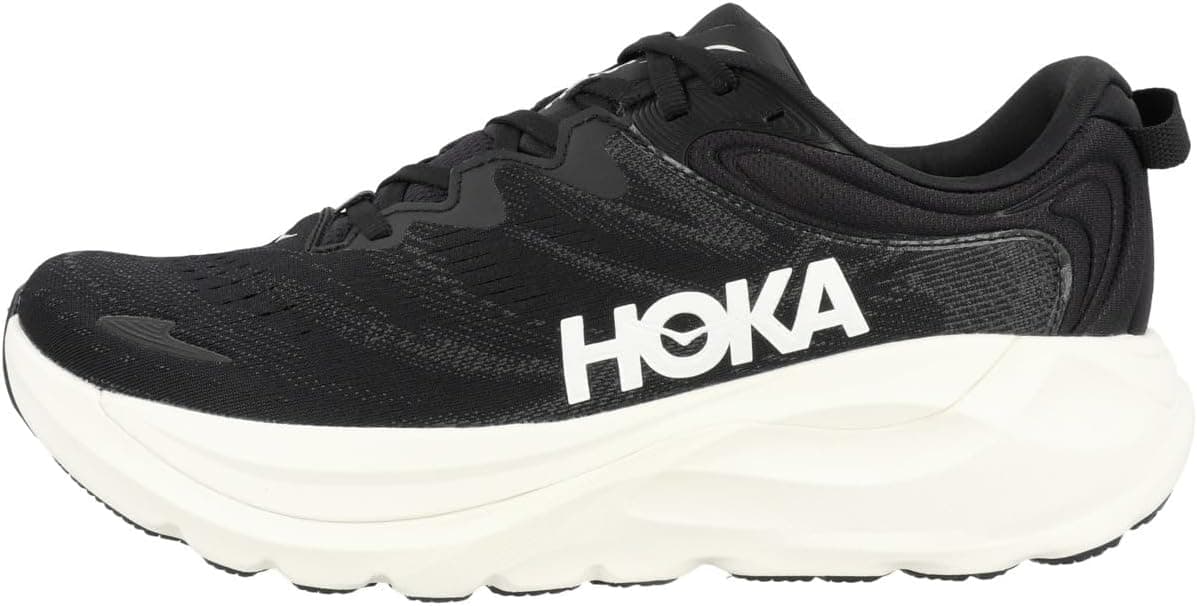


Hoka Gaviota 6 Review
An aggregated overview based on reviewer and runner feedback.
Disclaimer: AI was used to help provide an unbiased perspective on this topic, and all content was carefully fact-checked and edited by human running-shoe analysts. This reflects collected opinions and does not represent firsthand testing. Learn more →
Overview & Quick Verdict
The Hoka Gaviota 6 arrived in early 2026 as the long-awaited successor to the Gaviota 5, a model that had gone nearly three years without a major update. Across lab testers, enthusiast reviewers, and everyday runners, the general consensus is that this version meaningfully improves an already respected stability platform.
The H-Frame stability system has been strengthened, the upper receives major comfort and lockdown upgrades, and the shoe feels noticeably lighter and more refined than its predecessor. These changes make the Gaviota 6 one of the most capable high-stability trainers currently available.
Where opinions begin to diverge is around the midsole foam. The shoe continues to use compression-molded EVA rather than a more modern supercritical foam. For the shoe’s core audience—overpronators, high-mileage runners, and professionals who spend long hours on their feet—this tradeoff is usually acceptable. However, runners expecting energetic bounce at a $180 price point may find the ride somewhat subdued.
Key Stats
- Brand: Hoka
- Model: Gaviota 6
- Category: Maximum-stability daily trainer
- Terrain: Road (light trail capable in dry conditions)
- MSRP: $180
- Weight: 10 oz / 283 g (men’s size 9); 8.9 oz / 252 g (women’s size 8)
- Stack Height: 39 mm heel / 33 mm forefoot
- Drop: 6 mm
Best For / Not Ideal For
Best for
- Overpronators seeking strong guidance without rigid medial posts
- Daily running and long-distance training with reliable stability
- Runners with wide or higher-volume feet
- People who spend long hours standing or walking
- Runners who enjoy the cushioning of the Bondi but need stability
Not ideal for
- Runners expecting highly energetic or bouncy cushioning
- Athletes seeking a fast workout or tempo shoe
Pros
- One of the most capable stability designs Hoka has produced
- Lighter than the previous Gaviota generation
- Roomier fit than most shoes in the Hoka lineup
- Meaningful upper improvements for comfort and lockdown
- Smooth transitions thanks to MetaRocker geometry
- Excellent versatility for walking and all-day standing
Cons
- CMEVA foam feels outdated compared to newer compounds
- Break-in period required for some runners
- Expensive relative to the technology offered
Ride & Feel
Most reviewers describe the Gaviota 6 as feeling like a high-cushion daily trainer first and a stability shoe second. The Late Stage MetaRocker geometry promotes smooth transitions and helps the shoe roll forward naturally during easy and moderate runs.
The stability system is always present but rarely intrusive. The shoe feels stable without forcing the runner into a rigid gait pattern.
Where reviewers disagree is in the midsole character. Runners focused on comfort and stability generally appreciate the cushioning. Those accustomed to newer foam technologies often find the ride comparatively dull once fatigue sets in. The rocker geometry helps compensate by creating forward momentum even when the foam itself feels less energetic.
Fit & Comfort
Fit feedback is widely positive. The Gaviota 6 runs true to size for most runners and offers one of the most accommodating fits in Hoka’s lineup.
Unlike many Hoka models that run narrow, this shoe features a roomy toe box and generous overall volume. This makes it particularly appealing for runners with wide or flat feet who often struggle with Hoka’s typical fit.
The redesigned upper introduces engineered mesh, a ghillie-style lacing system, and a more padded collar. These updates address complaints from the Gaviota 5, particularly heel slippage and a loose midfoot.
A few reviewers mention that the tongue is not gusseted and may require minor lace adjustments, but once properly secured the fit feels stable and comfortable. Regular, wide, and extra-wide versions also make the shoe accessible to a wide range of foot shapes.
Support & Stability
Support is the defining characteristic of the Gaviota 6. The upgraded H-Frame runs along both sides of the midsole and wraps around the heel to guide the foot through the gait cycle.
Rather than relying on traditional medial posts, the system uses firmer foam rails to control excessive pronation while still allowing natural movement. Reviewers frequently describe the stability as approaching motion-control levels while remaining comfortable and unobtrusive.
One of the most praised aspects of the design is its adaptability. When a runner’s stride is stable, the support structure remains relatively passive. As fatigue or pronation increases, the frame becomes more active in guiding the foot back into alignment.
Traction & Durability
The Gaviota 6 uses strategically placed high-abrasion rubber across key wear zones. Reviewers report reliable traction across road surfaces, light trails, and slick pavement.
Grip during heel braking and wet road conditions receives particular praise. The outsole performs well across both running and walking scenarios, which reinforces the shoe’s reputation as a strong all-day wear option.
Durability impressions so far are positive. Early wear reports show normal outsole wear patterns and good midsole resilience. Some exposed foam remains in low-wear areas due to zonal rubber placement, which could theoretically wear faster at very high mileage, but no major durability issues have been reported.
Energy Return & Performance
Energy return is the most frequently cited limitation of the Gaviota 6. Lab testing suggests roughly 45% energy return in the heel and around 52% in the forefoot, which is relatively low compared to shoes using modern supercritical foams.
As a result, the ride feels stable and protective rather than lively or springy. The Late Stage MetaRocker geometry helps mitigate this by providing forward momentum and smoother transitions.
For the intended use cases—easy miles, long runs, and extended periods of walking or standing—the foam performs adequately. However, runners accustomed to newer, more responsive midsole technologies will likely notice the difference.
Conclusion
The Hoka Gaviota 6 represents a thoughtful and meaningful update to a stability shoe that already had a loyal following. The improved H-Frame, upgraded upper, lighter weight, and accommodating fit all strengthen the platform without changing the core character of the shoe.
While the CMEVA midsole feels dated compared to more modern foams, the shoe still delivers dependable cushioning, smooth transitions, and exceptional stability.
For overpronators, runners seeking maximum support, and professionals who spend long hours on their feet, the Gaviota 6 stands as one of the most capable options in its category.
Alternatives to Consider
Not quite the right fit? Here are some shoes worth comparing.
Frequently Asked Questions
Yes. It features an upgraded H-Frame stability system with firmer foam rails that guide the foot through the gait cycle. Reviewers frequently describe the stability as approaching motion-control levels while remaining comfortable and unobtrusive, rather than relying on traditional rigid medial posts.
The Gaviota 6 is a meaningful update after nearly three years. It strengthens the H-Frame stability system, introduces major upper comfort and lockdown improvements, and comes in lighter than its predecessor. The CMEVA midsole foam character carries over, which is both the shoe's limitation and its stability foundation.
Yes. It offers one of the most accommodating fits in Hoka's lineup. Unlike many Hoka models that run narrow, it features a roomy toe box and generous overall volume, making it particularly appealing for runners with wide or flat feet. Regular, wide, and extra-wide versions are available.
Yes, particularly for easy and long training miles. Its cushioning and stability make it well-suited for building marathon volume, especially for overpronators or runners who need guidance when fatigued. For faster workouts, a more responsive shoe in the rotation is typically recommended.
Yes. Walking, all-day standing, and professional use come up frequently in reviews. The smooth MetaRocker transitions and stable platform make it comfortable for extended wear beyond running, and its fit and support are widely praised for time-on-feet use.
Key Sources
Doctors of Running — https://www.doctorsofrunning.com/2026/01/hoka-gaviota-6-review-2026.html
RunRepeat — https://runrepeat.com/hoka-gaviota-6
Alastair Running — https://www.alastairrunning.com/hoka-gaviota-6-review/
Northern Runner — https://www.northernrunner.com/blog/hoka-gaviota-6-review/
Flawless Shoe Reviews — https://flawlessshoereviews.com/hoka-shoes/hoka-gaviota-6-review/
Run to the Finish — https://runtothefinish.com/hoka-gaviota-6-review/
Mountaineer Journey — https://mountaineerjourney.com/blog/hoka-gaviota-6-review
Run Spirited — https://www.runspirited.com/single-post/hoka-gaviota-6-review-stability-without-compromise
PR Run & Walk — https://prrunandwalk.com/blogs/news/hoka-gaviota-review
Slowtwitch — https://www.slowtwitch.com/running/hoka-drops-the-gaviota-6-a-plush-and-reliable-ride-for-your-everyday-miles/
Gear Patrol — https://www.gearpatrol.com/fitness/hoka-gaviota-6/
Fleet Feet (Men’s) — https://www.fleetfeet.com/products/mens-hoka-gaviota-6
Fleet Feet (Women’s) — https://www.fleetfeet.com/products/womens-hoka-gaviota-6
Sundried — https://www.sundried.com/blogs/reviews/hoka-gaviota-6-review
Browns Shoe Fit — https://brownsshoefitco.com/whats-new-hoka-gaviota-6/