
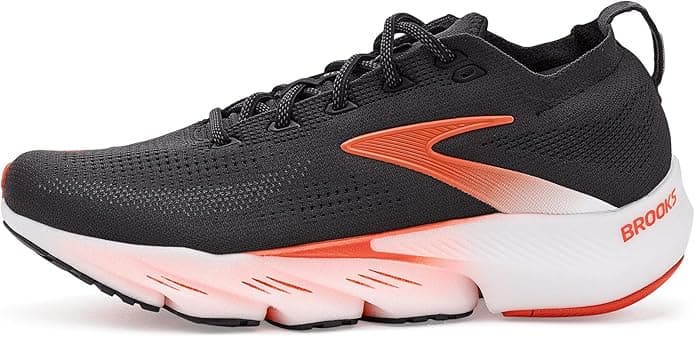


Brooks Glycerin Flex Review
An aggregated overview based on reviewer and runner feedback.
Disclaimer: AI was used to help provide an unbiased perspective on this topic, and all content was carefully fact-checked and edited by human running-shoe analysts. It reflects aggregated opinions from reviewers and runners and does not represent firsthand testing. Learn more →
Overview & Quick Verdict
The Brooks Glycerin Flex is a genuinely unusual shoe — a high-stack neutral daily trainer built around flexibility rather than rigidity, at a time when most of the industry is moving in the opposite direction. Launched in February 2026 out of Brooks' innovation-focused "Blue Line" pipeline, it uses the same DNA Tuned foam found in the Glycerin Max but pairs it with a deeply segmented, decoupled midsole chassis designed to let the foot articulate naturally rather than being guided forward by a rocker. The concept has clear precedent in earlier Brooks experiments like the Aurora-BL and the PureProject line — this is the most polished version of that philosophy yet.
The broad consensus across lab reviews, experienced running-media outlets, and community runners is that the concept works, but with a meaningful asterisk. Reviewers who value ground feel, natural movement, and a departure from prescriptive rocker geometry tend to respond enthusiastically. Reviewers who judge a shoe primarily on energy return, versatility across paces, or outright cushion volume come away cooler. This is a shoe with a clearly defined audience — and a clearly defined group it will not serve well.
Where almost everyone agrees: the knit upper is excellent, the concept is genuinely novel, and the DNA Tuned foam delivers reliable cushioning even if it doesn't excite. Where they diverge: how flexible it actually feels in practice, how much pace range it offers, and whether the asking price is justified for a first-generation model.
Key Stats
- Brand: Brooks
- Model: Glycerin Flex
- Category: Neutral road daily trainer
- Terrain: Road
- MSRP: $170
- Weight: 9.1 oz / 258g (men's US 9); 8.0 oz / 226g (women's US 8) — note: heavier at larger sizes (10.0 oz / 285g reported at men's US 10.5)
- Stack Height: 36mm heel / 30mm forefoot (brand spec); RunRepeat's lab recorded 35.2mm / 25.9mm
- Drop: 6mm (brand spec; RunRepeat's lab measurement recorded 9.3mm)
Best For / Not Ideal For
Best For
- Neutral runners who dislike the stiff, prescriptive feel of heavily rockered max-cushion trainers
- Runners seeking high-stack cushioning with genuine ground feel and a more connected ride
- Easy days, recovery runs, and long slow distance where natural movement is the priority
- Runners transitioning from minimalist shoes who want more impact protection without losing foot engagement
- Narrow to medium-footed runners (the fit runs snug — see Fit section)
- Walkers and run/walkers who want a versatile, non-aggressive shoe
Not Ideal For
- Runners who want maximum energy return and a lively, bouncy ride
- Those with wide feet or high-volume feet — the toe box is measurably narrow
- Runners who need orthotics (the flexible chassis is not orthotic-friendly per Doctors of Running)
- Runners with plantar fasciitis or significant ankle instability requiring a structured, supportive platform
- Those transitioning from highly rockered shoes who want a direct equivalent — adaptation time is required
Pros
- Genuinely novel ride feel. The decoupled heel and asymmetrical FlexZone grooves create a sensation reviewers consistently describe as more natural and less prescriptive than any other high-stack trainer currently on the market — the midsole articulates with the foot rather than guiding it.
- Outstanding upper quality. The engineered flat-knit construction is praised across virtually every source for its combination of structure, stretch, breathability, and elegant aesthetics — it accommodates a range of foot shapes better than most Brooks uppers.
- Excellent step-in comfort. A stretchy heel pull tab, soft tongue, and padded heel collar make entry easy and the out-of-the-box feel immediately secure, with no break-in period reported by testers who logged marathon-distance runs from day one.
- Strong shock absorption. RunRepeat's lab recorded 143 SA in the heel and 109 SA in the forefoot — strong results for a daily trainer that confirm the DNA Tuned foam handles high-mileage impact loads reliably.
- Solid traction. RunRepeat measured a 0.60 coefficient of friction — dependable grip on dry and wet road surfaces without being a concern in normal conditions.
- Encourages better running mechanics. Multiple reviewers noted improvements in posture, cadence, and glute/hamstring engagement compared to higher-drop, more structured shoes — a benefit for runners whose training has a form-development component.
- Fills a genuine market gap. No other current high-stack shoe occupies this combination of cushioning volume and torsional flexibility, making it a meaningfully differentiated option rather than another incremental update.
Cons
- Low energy return. RunRepeat's lab measured just 49.1% in the heel and 51.3% in the forefoot — among the lower figures for any shoe using DNA Tuned foam. The ride is comfortable but does not feel lively or propulsive, and this is consistently flagged by performance-focused reviewers.
- Narrow toe box. RunRepeat's lab measured the toe box at 69.1mm — below their current average — with below-average height and overall volume as well. Wide-footed runners will find this a significant obstacle, and even some medium-footed testers noted the fit as snug throughout.
- Forefoot hotspot risk. Two independent reviewers flagged friction or irritation in the medial forefoot area, likely caused by prominent flex grooves creating pressure points under load. Not universal, but consistent enough across sources to warrant attention.
- Flexibility may underwhelm some buyers. RunRepeat measured the Glycerin Flex at only 19% more flexible than the standard Glycerin — noticeable, but not dramatic. Runners expecting an extreme flexibility transformation may be surprised by how moderate the difference feels in motion.
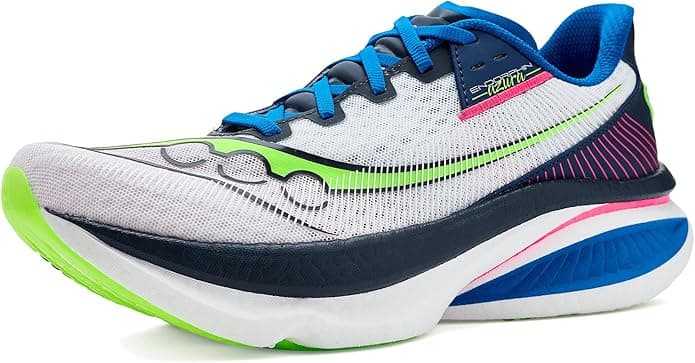
- Price. At $170, several reviewers felt Brooks priced the Glycerin Flex too close to established competitors with more proven formulas, especially given that emerging value options like the Adidas EVO SL and Saucony Azura sit at $150.
- Non-gusseted tongue. At this price point, the absence of a gusseted tongue was noted as a minor omission by multiple reviewers, though in practice tongue migration was not widely reported as an actual problem during runs.
Ride & Feel
The defining characteristic of the Glycerin Flex is what it deliberately lacks: a rocker. Rather than using midsole geometry to push the foot through a predetermined gait arc, it uses deep longitudinal and asymmetrical flex grooves — including a prominent S-shaped FlexZone groove through the midfoot — to decouple the heel and forefoot, allowing them to move semi-independently. The result is a ride reviewers consistently describe as "natural," "grounded," and "connected" — more akin to how the foot wants to move than how most modern high-stack trainers force it to move.
At easy paces, this works well. The foam compresses and rebounds in a way that feels more alive than the typical max-cushion slab, with reviewers noting increased midfoot engagement and a more active toe-off compared to rockered alternatives. Several testers remarked on improved running posture and cadence — downstream effects of a shoe that asks more of the foot's natural mechanics.
At faster paces, the experience is more qualified. The flexibility that feels fluid at easy efforts can feel slightly unsettled when the runner tries to generate power quickly, and the modest energy return means the shoe does not reward effort escalation the way a plated or higher-rebound trainer would. This is not a tempo shoe — it is a training workhorse for miles where feel matters more than pace.
Fit & Comfort
Sizing is consistently reported as true to size across all major sources, and the knit upper's inherent stretch offers meaningful accommodation for different foot shapes compared to stiffer constructions. That said, the underlying shape of the last is snug: RunRepeat's lab confirmed the toe box width and height both measure below current averages, and Doctors of Running noted the fit runs slightly narrow throughout the full length of the platform. Runners with wide or high-volume feet should try before buying.
The heel experience is largely positive. A soft, pliable heel cup with sufficient padding provides secure lockdown without aggression at the Achilles, and the collar wraps comfortably without the stiff-edge complaints that affect some rivals. The tongue, while not gusseted, was not widely reported as a slippage problem in practice across the sources surveyed. One sizing note: the Believe in the Run tester recommended going down a half size if between sizes; other sources found true-to-size sufficient — this likely depends on foot shape.
The one comfort concern that surfaces consistently is the forefoot flex groove friction noted in the Pros and Cons sections. It is not universal, but enough independent testers flagged it — including Doctors of Running and a separate UK-based reviewer — that runners who are sensitive to forefoot pressure points should be aware of it before committing.
Support & Stability
The Glycerin Flex is a neutral shoe with no medial post, guide rail, or structured stability element. Its stability comes entirely from platform geometry: a wide, flared midsole base and the inherent structure of the DNA Tuned foam, which is firmer than it reads in marketing materials. Doctors of Running rate it as requiring "very neutral mechanics" to work well — runners who overpronate or who need meaningful motion control should look elsewhere in the Brooks lineup.
For neutral runners, though, the stability story is better than the flexibility concept might suggest. The wide base provides genuine side-to-side confidence, and RTINGS independently rated side-to-side stability as very good. The decoupled heel design actually helps here — by allowing the heel to contour to uneven surfaces rather than fighting them, the shoe can feel more composed on real-world road conditions than a rigid slab.
Runners transitioning from highly rockered shoes should approach with a conditioning mindset rather than expecting a seamless swap. The increased ankle and knee range of motion required by this shoe is a feature by design — but one that demands a gradual adaptation phase to avoid lower-leg overloading.
Traction & Durability
Traction is a genuine strength. RunRepeat's lab recorded a coefficient of friction of 0.60 — solid performance for a road trainer on both wet and dry surfaces — and no reviewer raised grip as a concern under normal running conditions. The segmented rubber outsole, while unconventional in appearance due to the flex grooves and cutouts, appears to function reliably.
Durability data is limited, as the Glycerin Flex is a first-generation model that has been on the market for only a few months. Doctors of Running rate durability expectation as "average to good" based on their assessment of the rubber coverage and foam density. The WeeViews tester — who ran 62+ miles including a marathon — reported no significant outsole wear, but this is well short of the 300–500 mile benchmarks typically used for durability conclusions. The DNA Tuned foam has a documented track record in the Glycerin 22 and Glycerin Max, which provides some confidence in long-term midsole longevity, though the flex grooves introduce a potential compression-fatigue variable that has not yet been tested over time.
Energy Return & Performance
Energy return is the Glycerin Flex's clearest measurable weakness. RunRepeat's lab recorded 49.1% in the heel and 51.3% in the forefoot — figures that place it at the lower end of the daily trainer category and well below the numbers posted by super-foam alternatives. DNA Tuned foam has consistently underperformed in bounce tests across multiple shoes, and the Glycerin Flex does not change that pattern.
In practice, this means the shoe does not feel propulsive. Reviewers who approach it expecting a lively, energetic ride come away neutral-to-disappointed; reviewers who approach it looking for a natural, ground-connected training experience tend to find exactly that. The absence of a plate — or any mechanical assist — means the runner supplies all the propulsion, which is precisely the point for a shoe designed to build foot strength and engagement. For pure performance metrics, there are better options at this price; for the specific training purpose this shoe is designed for, the energy return profile is not a flaw so much as an accurate reflection of intent.
Final Verdict
The Brooks Glycerin Flex earns its place in the market by doing something genuinely different — and doing it well. It is the most polished high-stack flexible trainer available, and for runners who have grown frustrated with the stiff, rockered, prescribed-gait character of modern max-cushion shoes, it offers a convincing alternative. The upper is excellent, the concept translates into a real and perceptible ride difference, and the shock absorption figures confirm it is a capable shoe for high-mileage training days.
The limitations are real, though. Low energy return, a narrow fit, the forefoot hotspot risk, and the required muscular adaptation period are not minor caveats — they meaningfully shape who this shoe is right for. And at $170 for a first-generation model with an unproven durability track record, it asks for a certain level of faith in the concept.
For neutral runners who run by feel, value natural movement, and are tired of being shepherded through their stride by an aggressive rocker, the Glycerin Flex is a compelling and unique option. For everyone else, there are shoes that perform better on conventional metrics. Know which camp you're in before buying.
Alternatives to Consider
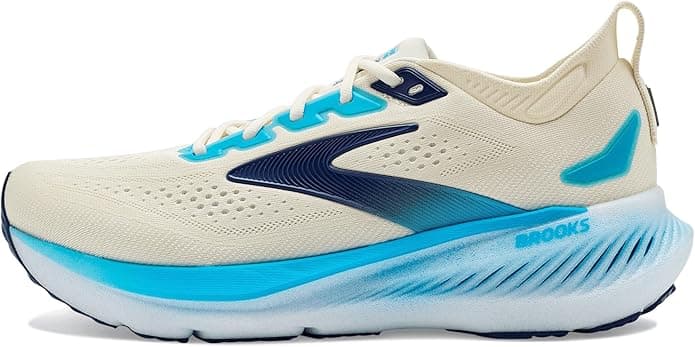
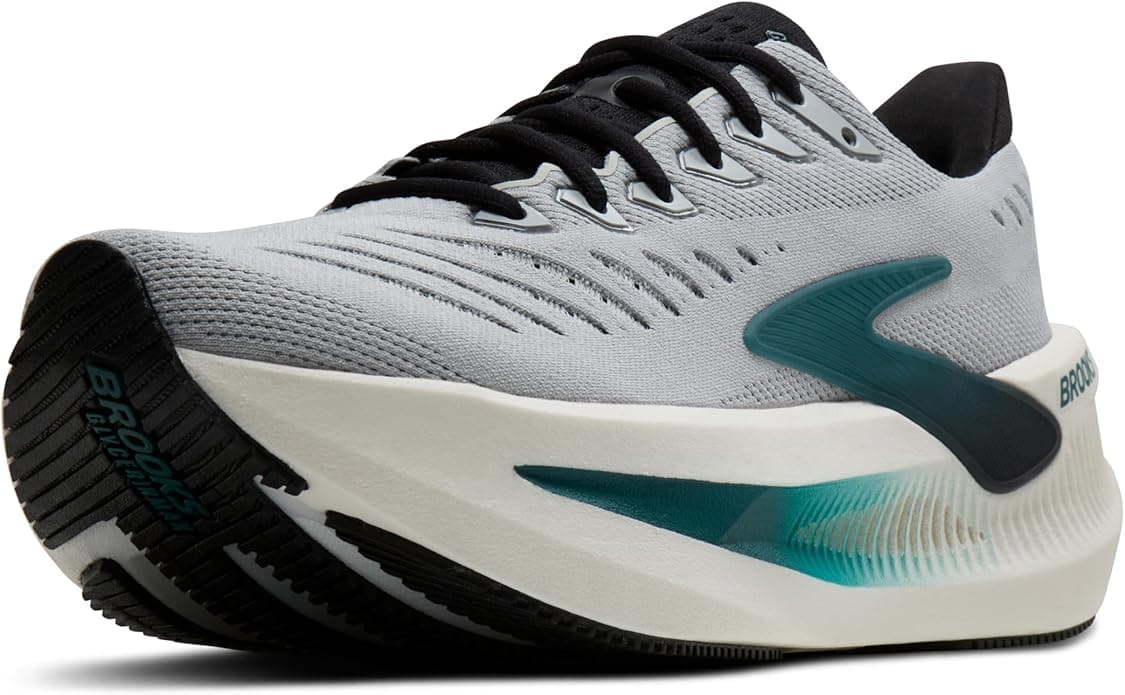
Not quite the right fit? Here are some shoes worth comparing.
Frequently Asked Questions
No. The Glycerin Flex is entirely unplated. Brooks specifically designed it without a plate or rocker to allow the foot to drive its own movement rather than relying on mechanical assist. The flexibility and ride character come entirely from the segmented DNA Tuned midsole and the FlexZone groove system.
They represent opposite ends of the Brooks Glycerin philosophy. The Glycerin Max 2 is a higher-stack, heavily rockered shoe that actively guides the foot through the gait cycle with a GlideRoll rocker — it prioritizes cushioning volume and ease of movement. The Glycerin Flex uses the same DNA Tuned foam but in a fully flexible, decoupled chassis that lets the foot move freely without mechanical guidance. Runners who enjoy rocker geometry should stick with the Max 2; runners who find it prescriptive or disconnecting are the natural audience for the Flex.
Yes — sizing is consistently reported as true to size across all major review sources. However, the fit is snug throughout, with a below-average toe box width and volume confirmed by RunRepeat's lab measurements. Wide-footed runners or those who like extra room in the toe box are likely to find it too narrow and should size up half a size or consider a different model.
Potentially, especially for runners transitioning from rockered, high-drop, or heavily structured shoes. Because the Glycerin Flex has no rocker assist and a relatively low 6mm drop, it asks more of the calves, ankles, and intrinsic foot muscles than most modern max-cushion trainers. Doctors of Running specifically flagged post-run calf soreness during their testing period. This is an expected adaptation response — not a design flaw — but runners should introduce it gradually into their rotation rather than switching cold.
It is comfortable for walking, and its non-aggressive geometry makes the transition between running and walking seamless. However, Doctors of Running rate it as only average for walking and standing — it is not optimized for all-day on-foot use the way a more structured or flatter shoe might be. For dedicated run/walk athletes or those who mix running with significant time on their feet, it works well enough, but it is not a walking specialist.
Brooks publishes a 6mm drop. RunRepeat's lab measurement recorded approximately 9.3mm. For practical purposes, the shoe behaves like a 6mm drop shoe and will feel meaningfully lower than Brooks' traditional Glycerin models, which ran at 10mm.
Key Sources
Believe in the Run — https://believeintherun.com/shoe-reviews/brooks-glycerin-flex-review/
The Run Testers — https://theruntesters.com/brooks-glycerin-flex-review/
Doctors of Running — https://www.doctorsofrunning.com/2026/03/brooks-glycerin-flex-review-2026.html
RunRepeat (Lab Review) — https://runrepeat.com/brooks-glycerin-flex
Tom's Guide — https://www.tomsguide.com/wellness/running/i-ran-35-miles-in-the-brooks-glycerin-flex-and-it-might-change-the-way-you-think-about-running-shoes
WeeViews (62+ Mile Review) — https://www.weeviews.com/reviews/4301/brooks-glycerin-flex
NorthernRunner — https://www.northernrunner.com/blog/brooks-glycerin-flex-review/
Alastair Running — https://www.alastairrunning.com/brooks-glycerin-flex-review/
RTINGS — https://www.rtings.com/running-shoes/reviews/brooks/glycerin-flex-green
Fleet Feet (Men's) — https://www.fleetfeet.com/products/mens-brooks-glycerin-flex
Fleet Feet (Women's) — https://www.fleetfeet.com/products/womens-brooks-glycerin-flex
Supwell — https://www.supwell.com/supbeat/brooks-glycerin-flex-overview-and-first-run-review
Marathon Sports — https://www.marathonsports.com/blog/brooks-glycerin-flex-review-free-to-move-on-your-terms
Marathon Journal — https://marathonjournal.com/brooks-glycerin-flex-review/
A Triathlete's Diary — https://www.atriathletesdiary.com/brooks-glycerin-flex-shoe-review/
The Running Well Store — https://therunningwellstore.com/blogs/blogs/glycerin-flex-review