
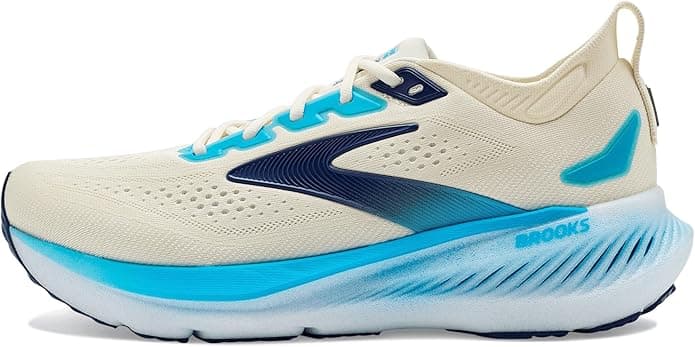


Brooks Glycerin 23 Review
An aggregated overview based on reviewer and runner feedback.
Disclaimer: AI was used to help provide an unbiased perspective on this topic, and all content was carefully fact-checked and edited by human running-shoe analysts. It reflects aggregated opinions from reviewers and runners and does not represent firsthand testing. Learn more →
Overview & Quick Verdict
The Brooks Glycerin 23 is the 23rd iteration of one of the best-selling neutral daily trainers in running, and it arrives as a deliberate refinement rather than a reinvention. The headline changes from the Glycerin 22 are two additional millimeters of DNA Tuned foam in the forefoot — dropping the heel-to-toe offset from 10mm to 8mm — and a new triple jacquard warp knit upper. Everything else that defined the Glycerin stays intact.
Across lab reviews, specialty retailers, multi-tester outlets, and community sources, the consensus is broadly positive but comes with a familiar asterisk. The upper is widely described as the best the Glycerin line has ever had. The ride is comfortable, predictable, and well-suited to easy and long runs. The DNA Tuned midsole, however, continues to underperform in energy return relative to the price point, and the weight — now slightly heavier than the Glycerin 22 — remains a genuine limitation compared to modern rivals.
For Glycerin loyalists and comfort-first neutral runners, the 23 is a safe, satisfying upgrade. For runners evaluating it against the broader daily trainer market at $175, the case requires a more honest conversation about what the shoe does and doesn't do.
Key Stats
- Brand: Brooks
- Model: Glycerin 23
- Category: Neutral daily trainer
- Terrain: Road
- MSRP: $175
- Weight: 10.6 oz / 300g (men's US 9); 9.5 oz / 269g (women's US 8)
- Stack Height: 38mm heel / 30mm forefoot (official); RunRepeat lab measured 37.2mm heel / 29.0mm forefoot
- Drop: 8mm (official); RunRepeat lab measured 8.2mm
Best For / Not Ideal For
Best For
- Neutral runners whose priority is comfort and protection on easy runs, long runs, and recovery days
- Heel strikers who want a traditional, non-rockered ride with a slightly more modern 8mm drop
- Runners and walkers who spend long hours on their feet and want one shoe that transitions naturally from running to daily wear
- Wide-foot runners — available in wide and extra-wide in both the neutral and GTS versions
- Loyal Glycerin wearers from v20 through v22 who want a familiar update without surprises
Not Ideal For
- Runners looking for a bouncy, energetic foam or high energy return for uptempo training
- Those who need a lightweight, versatile trainer that doubles for tempo work or intervals
- Runners who overheat easily or train in warm climates — the plush triple-knit upper runs warm
- Budget-focused buyers who want the best performance per dollar — the Ghost 17 costs $25 less for a comparable ride feel
- Runners who need formal stability or motion control — look at the Glycerin GTS 23 instead
Pros
- Upper is the best in the Glycerin line's history. The triple jacquard warp knit, heavily padded tongue, and plush heel collar are consistently praised across virtually every review source as a genuine premium experience.
- Forefoot balance is meaningfully improved. The 2mm foam addition brings the heel-to-toe geometry closer to parity, and multiple reviewers note the shoe no longer feels as rear-loaded as prior versions — a direct response to longstanding runner feedback.
- Smooth, reliable transitions at easy paces. A refined heel bevel eliminates the "slappy" touchdown feel that affected earlier iterations, and the shoe rolls cleanly through the gait cycle at relaxed efforts.
- Wide, stable platform for a neutral shoe. The 90mm heel base provides passive stability that multiple reviewers describe as quietly reassuring, especially on longer runs where form begins to break down.
- Outsole grip and durability are strong. The redesigned rubber layout improves wet-surface traction over the Glycerin 22, and RunRepeat's lab recorded only 0.7mm of outsole wear — among the better durability results in the category.
- Works well beyond running. Several sources explicitly recommend the Glycerin 23 for walking, travel, and extended standing, with reviewers noting no pressure points even after full days on foot.
- True to size with wide-format options. Sizing is consistent across sources, and the availability of wide and extra-wide versions makes it one of the more inclusive premium trainers in the market.
Cons
- Heavy for its price tier. At 10.6–10.7 oz (men's), it is noticeably heavier than most modern competitors at $175, and that mass limits its usefulness at anything beyond easy training paces.
- Below-average energy return. RunRepeat's lab measured 54.1% heel and 57.7% forefoot energy return — well below the 65%+ they benchmark for this price point — and the sluggish feel is corroborated by field reviewers across multiple outlets.
- Warm upper in hot conditions. The thick, multi-layer knit upper traps heat, and several reviewers flagged it as a liability for summer running or indoor treadmill use despite ventilation improvements over the Glycerin 22.
- No gusseted tongue at this price. RunRepeat and Road Trail Run both flag the absence of a gusseted tongue as a miss for a $175 shoe, particularly given the stretchy knit's tendency to shift slightly during runs.
- Forefoot hold can feel loose for narrower feet. The knit's natural stretch creates a roomy forefoot that suits medium-to-wide feet well but leaves some narrower-footed runners with less precision than they'd prefer.
- $10 price increase over the Glycerin 22 for modest updates. Multiple reviewers, including Running Shoes Guru and Road Trail Run, question whether the incremental changes — more foam, new upper, no foam compound upgrade — justify the higher price relative to in-house competition like the Ghost 17 or even the new Glycerin Flex.
Ride & Feel
The DNA Tuned midsole carries over from the Glycerin 22 with one meaningful change: 2mm of additional foam under the forefoot. The dual-cell construction — larger nitrogen-infused cells in the heel for impact absorption, smaller denser cells in the forefoot for a firmer toe-off — continues to produce a ride that is noticeably softer at heel strike and somewhat more controlled at push-off. Reviewers across Doctors of Running, The Run Testers, and Believe in the Run describe the overall sensation as cushioned but not mushy, with a forgiving quality that holds up over long, steady miles.
The revised heel bevel is a genuine improvement. Where prior Glycerin models were criticized for a clunky, rear-weighted touchdown, the 23 transitions more cleanly from heel to forefoot — a change multiple reviewers attribute specifically to the bevel geometry rather than the foam itself. The overall ride personality still reads as heel-biased, which suits its target runner well, but the transition to the forefoot is smoother than it has been in recent versions.
What the shoe cannot do is generate excitement. At faster paces, the weight and the foam's limited energy return combine to create a feel that Road Trail Run's Sam described as "luxurious if not exactly snappy." This is not a criticism of execution so much as a description of the shoe's intent — the Glycerin 23 is built around comfort and protection, not propulsion, and it delivers exactly what it sets out to.
Fit & Comfort
Sizing is universally reported as true to size, and the fit is consistently described as accommodating — Brooks' own word for the Glycerin's toe box, and one that reviewers largely validate. The triple jacquard knit wraps the foot with a slightly stretchy, sock- like feel that is particularly well-received around the heel collar and tongue, both of which are generously padded. RunRepeat's testing confirms the heel padding earns a 4/5 score and the tongue foam reaches 9.0mm in thickness — among the most substantial they have measured in a daily trainer.
The stretch in the knit does introduce a tradeoff. Reviewers at Road Trail Run with medium-to-narrow feet found the forefoot less anchored than expected, noting that the material's elasticity creates some lateral movement under load. Runners with medium or wide feet do not report this issue, and the availability of a proper wide version provides an additional fit path for those who need it. The tongue is not gusseted, which is a minor but noted gap at this price.
Step-in comfort is one of the Glycerin line's signature qualities, and the 23 upholds it. Multiple sources — including Fleet Feet, Run4It, and Running Well Store — note the shoe transitions naturally from running to extended daily wear without pressure points or hot spots, making it a legitimate dual-purpose option for runners who want one comfortable shoe for everything.
Support & Stability
The Glycerin 23 is a neutral shoe, and reviewers treat it as one — there are no posting elements, GuideRails, or medial support structures (those are reserved for the Glycerin GTS 23). What it does offer is what Doctors of Running describes as passive stability: a wide outsole platform, secure heel lockdown from the structured counter, and a moderate torsional stiffness that keeps the foot well grounded through the gait cycle.
The platform width — approximately 90mm at the heel — provides a broad base that several reviewers flag as reassuring on longer efforts where form begins to deteriorate. Road Trail Run's multi-tester panel and The Run Testers both independently note that the shoe maintains a calm, predictable feel even late in runs, which is a meaningful attribute for marathon training and high-mileage easy days.
Runners who pronate significantly or require active guidance are directed by Doctors of Running specifically toward the GTS version, which adds Brooks' GuideRail system to the same midsole platform. For neutral runners or mild overpronators who don't need formal correction, the standard Glycerin 23's inherent stability is well-regarded.
Traction & Durability
The outsole is one of the clearest improvements from v22 to v23. The redesigned rubber layout delivers measurably better grip in wet conditions — reviewers who had problems with the Glycerin 22 on rainy corners and frosty pavement report a meaningful difference in confidence. RunRepeat's friction testing confirmed a traction score of 0.57, up from 0.44 on the prior version, representing a genuine functional gain rather than a cosmetic change.
Durability across all tested components is strong. The outsole rubber runs 3.3mm thick — thicker than many competitors — and RunRepeat's Dremel abrasion test recorded only 0.7mm of material loss. The triple jacquard upper also tested at 3/5 for durability despite being knit- based, which is a better result than many soft knit uppers in the category. Brooks' track record with the Glycerin line backs up the expectation of 400–500+ miles of usable life.
The weight penalty partly traces back to these durability choices. Brooks has consistently prioritized a thick outsole and plush upper over weight savings, and the Glycerin 23 reflects that philosophy clearly. Runners who value longevity and outsole protection over agility will find this tradeoff reasonable; runners chasing a lighter daily trainer will not.
Energy Return & Performance
This is where the Glycerin 23 falls furthest behind its price tag. RunRepeat's lab recorded energy return of 54.1% in the heel and 57.7% in the forefoot — both below the 65%+ threshold they consider appropriate for a premium trainer at $175. The foam is the same DNA Tuned compound used in the Glycerin 22, and that continuity is both a consistency point for loyalists and a missed opportunity for reviewers who note that Brooks has more energetic compounds available in other parts of their lineup.
On the run, the shortfall manifests most clearly at paces beyond easy training. Road Trail Run, Running Shoes Guru, and Alastair Running all independently describe the shoe as reaching its ceiling around comfortable long-run efforts — not because it fails, but because the weight and foam character together don't reward increased effort the way a bouncier midsole would. The shoe is not unpleasant to run at moderate tempos; it simply doesn't come alive the way rivals built on PEBA-based or supercritical foams do.
For the target runner — someone logging easy and long miles who is not concerned with training versatility — the energy return story is unlikely to matter much in practice. For a runner evaluating the Glycerin 23 against the broader market at $175, it is the most significant technical limitation in the shoe.
Final Verdict
The Brooks Glycerin 23 is exactly what it sets out to be: a refined, comfortable, premium daily trainer for neutral runners who prioritize cushioning and protection over speed. The upper is the best the Glycerin line has produced, the forefoot balance is improved, and the outsole traction represents a genuine functional upgrade over its predecessor. Glycerin loyalists will find this version easy to love.
The honest limitation is that the shoe is evolving more slowly than the market around it. At $175 — up $10 from the Glycerin 22 — the DNA Tuned foam's below-average energy return and the shoe's heavyweight build are harder to defend when lighter, bouncier trainers exist at similar or lower price points. Brooks has a more energetic foam available; the question many reviewers are asking is when it arrives in the Glycerin.
If your goal is a reliable, durable, comfortable shoe for easy days and long runs, the Glycerin 23 delivers that with confidence. If you're hoping $175 buys you a shoe that can do more, the Ghost 17 or the new Glycerin Flex may be more honest fits for your needs.
Alternatives to Consider
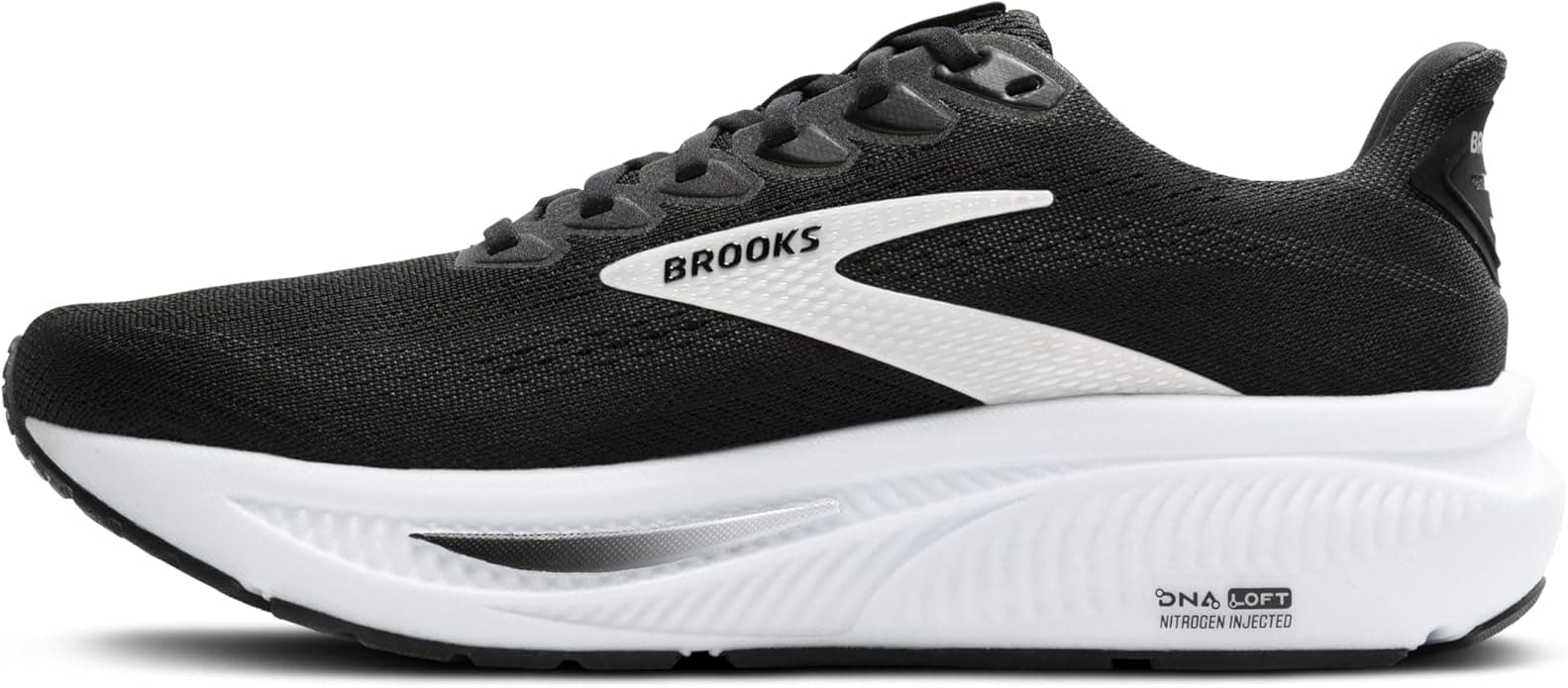
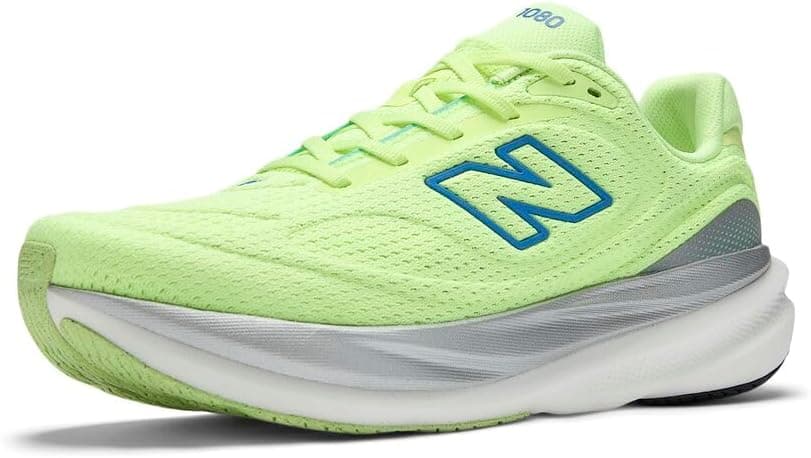
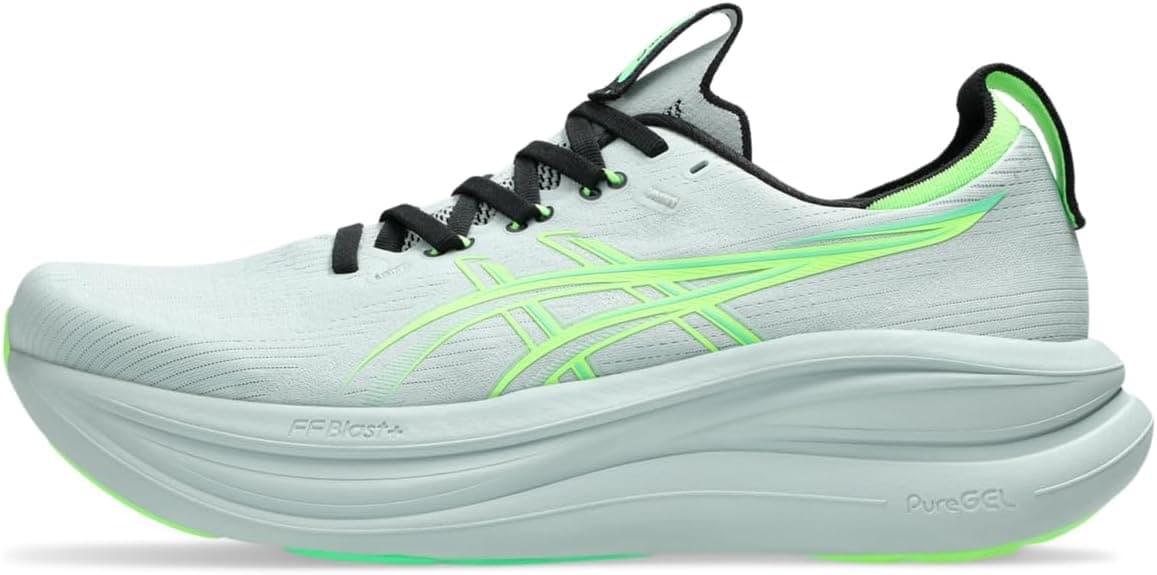
Not quite the right fit? Here are some shoes worth comparing.
Frequently Asked Questions
Yes, for easy days, long runs, and recovery efforts. Its plush DNA Tuned midsole, stable platform, and durable outsole make it a strong choice for the bulk of a marathon training block. It is not well-suited for tempo runs, intervals, or race day — a faster, lighter shoe should handle those sessions.
The 23 adds 2mm of forefoot foam — dropping the drop from 10mm to 8mm — and upgrades to a triple jacquard warp knit upper from the double jacquard used on the 22. The ride feel is broadly similar, with a slightly more balanced heel-to-toe transition and improved wet-surface grip. The 23 is also slightly heavier and costs $10 more. Runners happy with the 22 will be comfortable in the 23; those expecting a dramatic change won't find one.
No. The Glycerin 23 is a non-plated daily trainer. It relies entirely on the nitrogen-infused DNA Tuned dual-cell foam for cushioning and structure. Runners looking for a plated option from Brooks should look at the Hyperion Elite.
Yes — sizing is reported as true to size across all major review sources. The forefoot is accommodating and slightly roomy due to the knit's natural stretch, which works well for medium-to-wide feet. Runners with narrow feet may find the forefoot less secure and should consider trying the standard width before committing. Brooks also offers wide versions of the Glycerin 23.
Yes, and several review sources explicitly recommend it for exactly that. The plush upper, generous heel and tongue padding, and comfortable midsole make it well-suited for extended standing, travel, and daily errands. Multiple reviewers noted no pressure points or discomfort after full days on foot — the Glycerin 23 works as a dual-purpose shoe in a way many running shoes do not.
The Glycerin 23 is a neutral shoe with no active stability features. The Glycerin GTS 23 uses the same DNA Tuned midsole and triple jacquard upper, but adds Brooks' GuideRail system — raised medial and lateral sidewalls that help guide the foot back toward neutral if it drifts. The GTS version is recommended for runners who overpronate or want added guidance. Doctors of Running notes the GTS midsole can feel firmer than the standard version, particularly early in break-in.
Yes. The standard version has an accommodating toe box, and Brooks offers the Glycerin 23 in wide sizing for both men and women. Reviewers consistently note the forefoot is roomy rather than snug, which is a better baseline for wide-foot runners than many competing premium trainers at this price.
Key Sources
Brooks Running — https://www.brooksrunning.com/en_us/mens/shoes/road-running-shoes/glycerin-23/110476.html
RunRepeat — https://runrepeat.com/brooks-glycerin-23
Doctors of Running — https://www.doctorsofrunning.com/2026/02/brooks-glycerin-23-review-2026.html
Believe in the Run — https://believeintherun.com/shoe-reviews/brooks-glycerin-23-review/
The Run Testers — https://theruntesters.com/running-shoes/brooks-glycerin-23-review/
Road Trail Run (Neutral 5-Tester) — https://www.roadtrailrun.com/2026/01/brooks-glycerin-23-review-5-comparisons.html
Road Trail Run (GTS Multi-Tester) — https://www.roadtrailrun.com/2026/01/brooks-running-glycerin-23-gts-multi.html
Running Shoes Guru — https://www.runningshoesguru.com/reviews/road/brooks-glycerin-23-review/
Fleet Feet — https://www.fleetfeet.com/blog/brooks-glycerin-23-review-legacy-meets-luxury
Alastair Running — https://www.alastairrunning.com/brooks-glycerin-23-review/
Run4It — https://www.run4it.com/blogs/journal/brooks-glycerin-23
RunToTheFinish — https://runtothefinish.com/brooks-glycerin-23-review/
Reddit / r/RunningShoeGeeks — https://www.reddit.com/r/RunningShoeGeeks/comments/1kvbcuu/glycerin_23/