
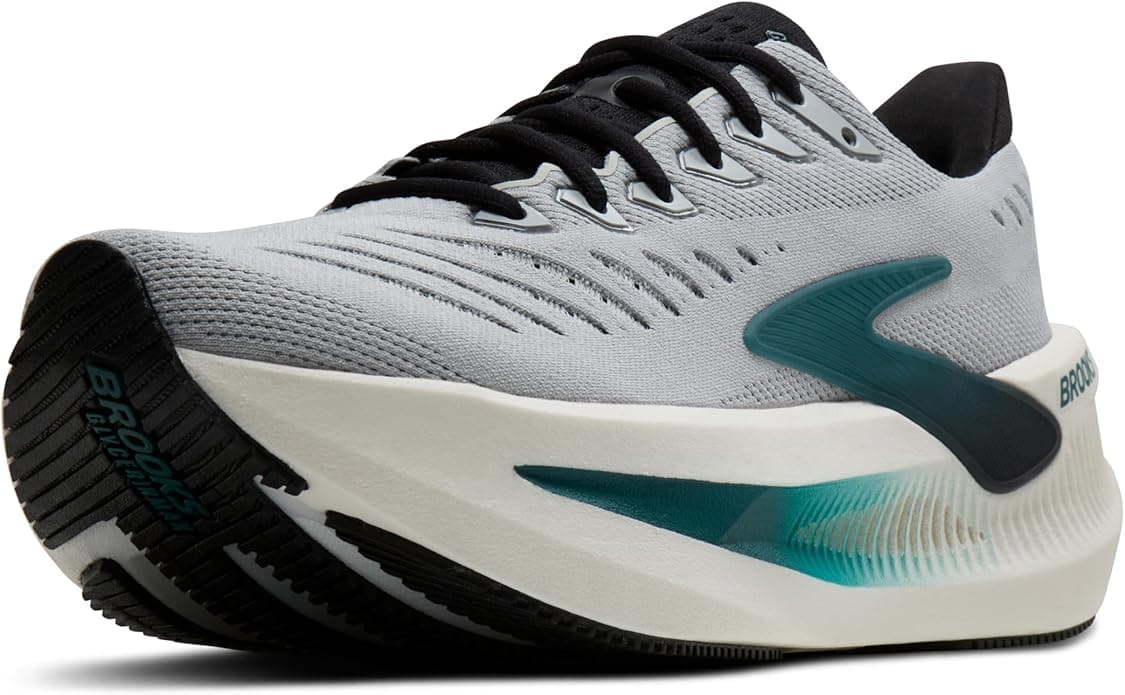


Brooks Glycerin Max 2 Review
An unbiased look at what reviewers and runners are saying.
Disclaimer: AI was used to help provide an unbiased perspective on this topic, and all content was carefully fact-checked and edited by human running-shoe analysts. It reflects aggregated opinions from reviewers and runners and does not represent firsthand testing. Learn more →
Overview & Quick Verdict
The Brooks Glycerin Max 2 arrives with a difficult act to follow. Its predecessor was named Best Max Cushion Shoe of 2024 by Believe in the Run, praised for a uniquely bouncy and fun ride that felt unlike anything else in the Brooks lineup — and unlike most max-cushion trainers on the market. Version 2 keeps the same DNA Tuned midsole chemistry and GlideRoll Rocker concept on paper, but delivers a noticeably firmer, heavier, and more structured shoe in practice.
The clearest upgrade is the upper. A new triple-jacquard air mesh replaces v1's bulkier construction and is nearly universally praised for improved fit, lockdown, and breathability — a meaningful quality-of-life win. Where opinions diverge sharply is underfoot: reviewers who prefer a firm, controlled, rockered ride find v2 more purposeful than its predecessor, while those who loved v1's soft, energetic feel describe it as a significant step backward and an outright "sophomore slump" (Believe in the Run).
The Glycerin Max 2 is not a bad shoe. It is a protective, stable, durable cruiser that excels at easy miles, recovery runs, and walking. But at $200 — while v1 circulates on sale for around $150 — and against competitors offering superior bounce at lower prices, it is a difficult shoe to recommend without qualification.
Key Stats
- Brand: Brooks
- Model: Glycerin Max 2
- Category: Max-cushion neutral daily trainer
- Terrain: Road
- MSRP: $200 / £180
- Weight: ~11.0–11.4 oz / 312–321g (men's US 9; varies by measurement source)
- Stack Height: 45 mm heel / 39 mm forefoot (Brooks stated; independent lab measurements range from 45–48 mm heel / 39–42 mm forefoot)
- Drop: 6 mm stated; RunRepeat lab measured approximately 8 mm actual
Best For / Not Ideal For
Best For
- Easy, recovery, and long slow daily runs where impact protection is the priority
- Heavier runners who compress softer foams too easily and benefit from a firm, high-stack platform
- Runners managing foot or joint issues (plantar conditions, MTP arthritis) who need maximum cushioning
- Walking and extended time on feet — multiple sources note this as one of the shoe's strongest use cases
- Runners who prefer a firm, efficient rocker ride over a soft, bouncy underfoot feel
Not Ideal For
- Runners who loved the original Glycerin Max's soft, energetic ride and expect more of the same
- Speed work, tempo runs, or any pace-versatile training — the weight and limited energy return make faster efforts labored
- Runners with wide feet — no wide option exists, and the v2 fit runs slightly narrower than v1
- Hot-weather runners sensitive to upper warmth — multiple sources flag heat buildup on longer efforts
- Budget-conscious shoppers who can find the original Glycerin Max on sale
Pros
- Significantly improved upper over v1. The new triple-jacquard mesh is more refined, better fitting, and more breathable than the original — praised across Doctors of Running, Flawless Shoe Reviews, The Run Testers, and Running Warehouse as the clearest positive change in this update.
- True-to-size fit with excellent lockdown. Running Warehouse called the fit "10/10," and multiple sources confirm no hot spots, a roomy-enough toe box for most feet, and reliable heel hold from the first mile.
- Exceptional outsole durability. Doctors of Running reported near-zero wear on the outsole and exposed midsole after 50 miles, projecting the shoe to outlast most competitors; RunRepeat's lab testing confirmed strong abrasion resistance.
- Strong stability for a max-stack shoe. A wide platform, prominent medial sidewall, and torsionally stiff construction give the Glycerin Max 2 a notably secure, controlled feel — Doctors of Running describe it as borderline guidance/stability, not purely neutral.
- Reliable traction on wet and dry roads. No slippage issues were reported across multiple review sources, and Doctors of Running inadvertently tested the shoe on smooth trails with positive results.
- Efficient rocker geometry. The redesigned GlideRoll Rocker features a steeper heel bevel that promotes smoother heel-to-toe transitions than v1's more abrupt geometry, with Road Trail Run's Sam and Flawless Shoe Reviews both noting a meaningful improvement in roll-through.
Cons
- Heavier than v1 — and heavy among peers. Independent measurements place the men's US 9 between 11.0 and 11.4 oz, making it one of the heaviest non-plated daily trainers on the market; Running Warehouse testers reported scuffing the ground and nearly tripping when legs were fatigued.
- Firmer and less energetic than its predecessor. The dominant criticism across specialist reviewers — DOR, Believe in the Run, Road Trail Run, and The Run Testers — is that v2 lost the soft, bouncy "special sauce" that made the original a standout; Believe in the Run's Meaghan tested both versions simultaneously and disputes Brooks' claim that the DNA Tuned formulation is unchanged.
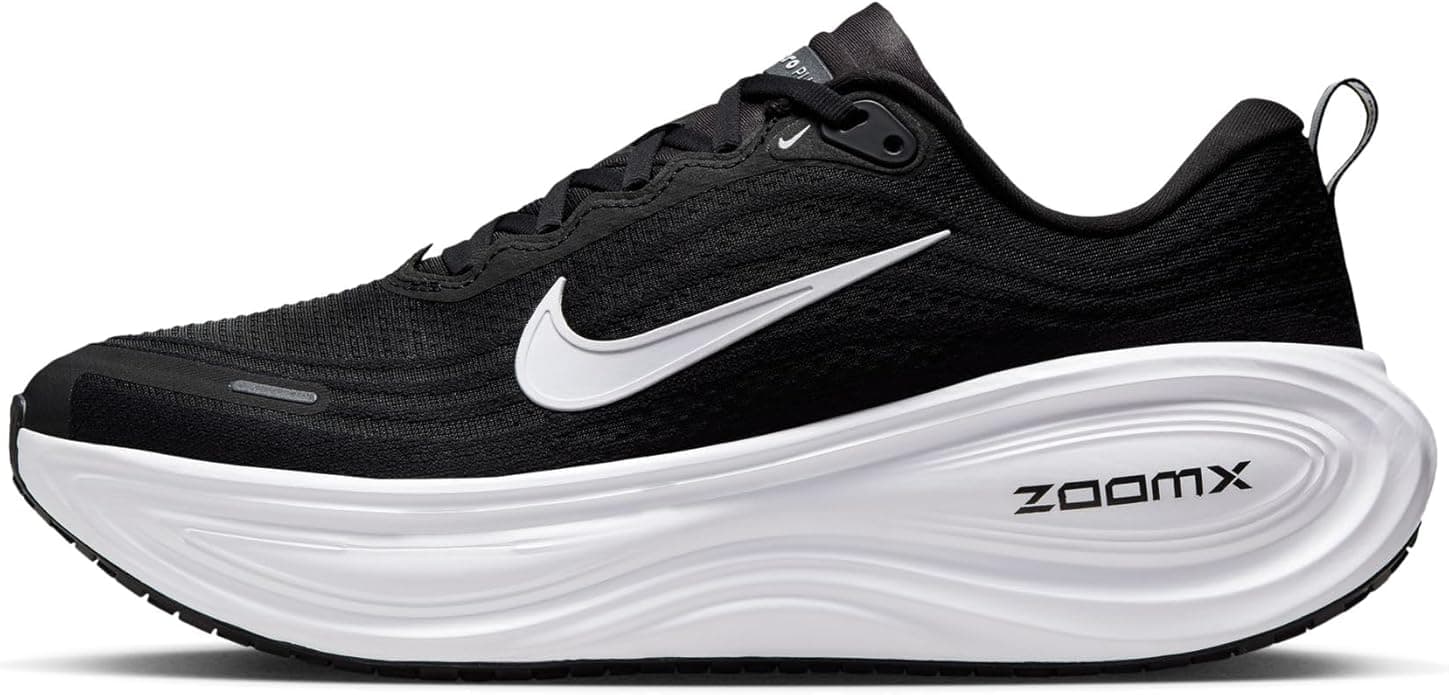
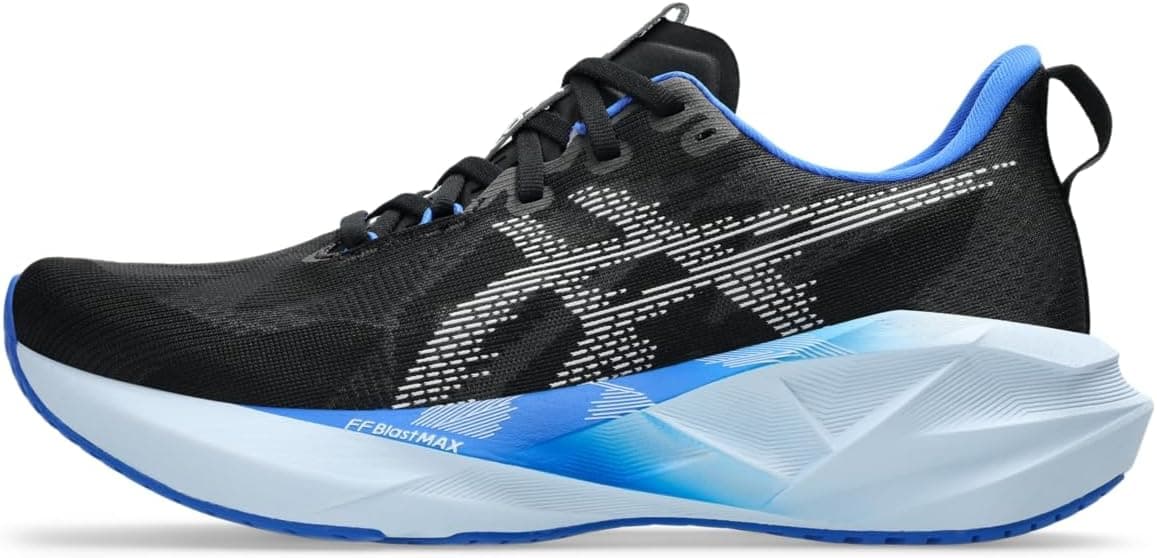
- Low energy return versus category competitors. Reviewers consistently note that the midsole lacks the bounce of alternatives like the Nike Vomero Plus (ZoomX foam) or Asics Novablast 5, limiting the shoe's appeal for runners who want cushioning with pop.
- No wide width option. Despite the premium price point, the Glycerin Max 2 ships in standard width only — a gap flagged by RunRepeat, Running Shoes Guru, and multiple Fleet Feet user reviews.
- Upper traps heat on longer efforts. Doctors of Running, Fordy Runs, and several retail reviewers note that the plush upper runs warm, which becomes a meaningful issue as runs extend or temperatures rise.
- $200 price is hard to justify in context. The Run Testers, Tom's Guide, and Believe in the Run all point out that the original Glycerin Max offers a superior ride experience and is frequently available for around $149 — making v2 a difficult value proposition at full price.
Ride & Feel
The defining characteristic of the Glycerin Max 2's ride is its rocker. The GlideRoll geometry creates a smooth, forward-rolling transition through each stride that makes easy miles feel efficient and unhurried, even given the considerable mass underfoot. At relaxed paces in its intended range, the shoe rolls along with a deliberate, locomotive quality that several reviewers found genuinely satisfying.
What the shoe does not deliver is softness or liveliness. Despite a stack height that rivals any max-cushion trainer on the market, the DNA Tuned foam in v2 strikes most specialist reviewers as firm rather than plush — and more controlled than energetic. Road Trail Run's Sally described the ride as "flat, overly firm, no pop, no fun," while Doctors of Running's David — who gravitates toward firmer rockered shoes — found the same characteristics appealing. The ride is not universally disliked, but the divide is stark and tracks closely with personal preference for foam character.
There is also a narrow ideal pace window. Running Warehouse testers noted the shoe felt well-tuned within a specific range, but that issues arose quickly at both extremes — too sluggish at a crawl, too unstable when pushed. The aggressive toe rocker that helps at moderate paces can amplify the shoe's weight and create instability when fatigued.
Fit & Comfort
The upper is the clearest argument for choosing v2 over its predecessor. The new triple-jacquard air mesh is softer against the foot, more refined in lockdown, and fits true to size — a meaningful improvement over the v1 that many reviewers recommended sizing up in. Heel hold is firm without being intrusive, the tongue stays centered, and the lacing system provides reliable cinch without fussing.
The one persistent caveat is volume. The Glycerin Max 2 runs slightly narrower and lower in volume than v1, which some testers found more secure but which creates a snugger environment for runners with wider or higher-volume feet. Doctors of Running flagged some forefoot tightness; a Fleet Feet user review noted, "Wish it came in a wide width" — and with no wide option available, runners outside the standard volume range have limited recourse.
Breathability is split along climate and intensity lines. Running Warehouse and Fleet Feet describe the upper as comfortable and breathable under most conditions, while Doctors of Running, Fordy Runs, and several long-run testers flag it as prone to heat buildup — a gap that is likely bridged by weather, pace, and individual sensitivity rather than a clear defect.
Support & Stability
The Glycerin Max 2 offers an unusually high level of stability for a neutral max-cushion shoe. Doctors of Running classify it as a borderline guidance/stability shoe rather than a purely neutral one, citing the prominent full-length medial sidewall, wide platform (approximately 90mm at the heel), and torsionally stiff construction as all contributing to a secured, controlled platform. RTINGS' lab testing assigned it a high lateral stability score, and multiple retail reviewers with foot conditions noted that the shoe provided meaningful support on the run and during walking.
One structural caveat from Road Trail Run: the medial sidewall was lowered in v2 compared to v1, which Courtney flagged as a potential concern for runners who relied on that feature for medial support. Brooks compensated with a wider sole flare, but the trade-off is worth understanding before buying. For neutral runners with efficient mechanics, the stability story is broadly positive; for those with significant pronation tendencies, a dedicated stability shoe remains the more appropriate choice.
Traction & Durability
Outsole durability is one of the Glycerin Max 2's strongest and most consistent talking points. Doctors of Running reported no measurable wear on either the rubber patches or exposed midsole foam after 50 miles, called it "a tank durability wise," and projected a lifespan well above typical. RunRepeat's lab testing confirmed strong abrasion resistance in the rubber coverage zones, and multiple early reviewers noted that the outsole held form even under repeated use.
Traction on road surfaces — wet and dry — was consistently reliable across sources. Doctors of Running noted the shoe handled smooth dirt trails without issue, attributing this partly to the ribbed forefoot rubber pattern. No slippage reports surfaced in any review source consulted. The only outsole-adjacent complaint came from WearTesters' review of the original Glycerin Max (v1): narrow rubber grooves that trapped pebbles — a design element that may or may not persist in v2 given the updated outsole geometry.
Energy Return & Performance
Energy return is the Glycerin Max 2's clearest performance limitation. RunRepeat's lab testing found the shoe's bounce well below the category average for max-cushion trainers, and reviewers consistently describe the midsole as cushioned but not springy — protective rather than propulsive. The Nike Vomero Plus (ZoomX) and Asics Novablast 5 are cited repeatedly across Believe in the Run, The Run Testers, and Tom's Guide as delivering materially more energy return at equal or lower price points.
The GlideRoll Rocker partially compensates for what the foam lacks in pop. At easy paces, the geometry creates forward momentum that feels efficient enough to make the shoe a workable daily trainer — but this is mechanical assist, not foam energy, and runners who push the pace encounter the shoe's weight penalty quickly. Doctors of Running describe it as capable through uptempo efforts but unsuitable for anything faster; Road Trail Run's testers noted ground contact times running notably higher in this shoe than in their usual rotation, suggesting a gait adaptation cost.
For its intended purpose — protected, comfortable, easy and long-slow-distance mileage — the energy return profile is adequate. For anyone hoping a high stack height implies high bounce, the Glycerin Max 2 will disappoint.
Final Verdict
The Brooks Glycerin Max 2 is a competent but compromised update. It solves the most fixable problem from v1 — the fit and upper — while failing to preserve or improve the least fixable one: the midsole feel that made the original genuinely exciting. The result is a shoe that is better constructed but less enjoyable to run in, and that narrative repeats across nearly every specialist review in the ecosystem.
It is not a shoe to avoid. Heavier runners, those managing joint or foot conditions, walkers, and anyone building mileage on a firm-rocker preference will find real value here. The outsole durability alone represents a meaningful long-term return on the $200 ask. But for the majority of runners approaching the max-cushion category with expectations shaped by the best of the current generation — bouncy, light, versatile — the Glycerin Max 2 sits outside that tier, and several cheaper alternatives deliver a more enjoyable ride.
Brooks has the platform and the foam chemistry to course-correct. If version 3 recaptures v1's energy while keeping v2's upper refinements, it will be a category leader. For now, the Glycerin Max 2 is a shoe best suited to a specific runner profile — and best purchased only after checking whether the original is still available at a discount.
Alternatives to Consider
Not quite the right fit? Here are some shoes worth comparing.
Frequently Asked Questions
It works well for the easy-day and long-slow-distance portions of a marathon training block, where its impact protection and stable rocker are genuine assets. However, its weight and limited energy return make it a poor choice for progression runs, tempo work, or any session where pace versatility matters. Most reviewers recommend pairing it with a lighter, more responsive shoe for the full spectrum of marathon training.
Version 2 has a noticeably improved upper — more breathable, better fitting, and truer to size — but most specialist reviewers agree the ride took a step back. The v2 is firmer, heavier, and less energetic than v1. Believe in the Run, Tom's Guide, and The Run Testers all recommend the original Glycerin Max as the better buy if it can be found on sale, which it frequently can for around $50 less.
No. The Glycerin Max 2 is an unplated max-cushion trainer. It relies entirely on the dual-cell DNA Tuned midsole foam and the GlideRoll Rocker geometry for cushioning and transition efficiency. For a plated Brooks option, the Hyperion Max 3 is the brand's performance-oriented alternative.
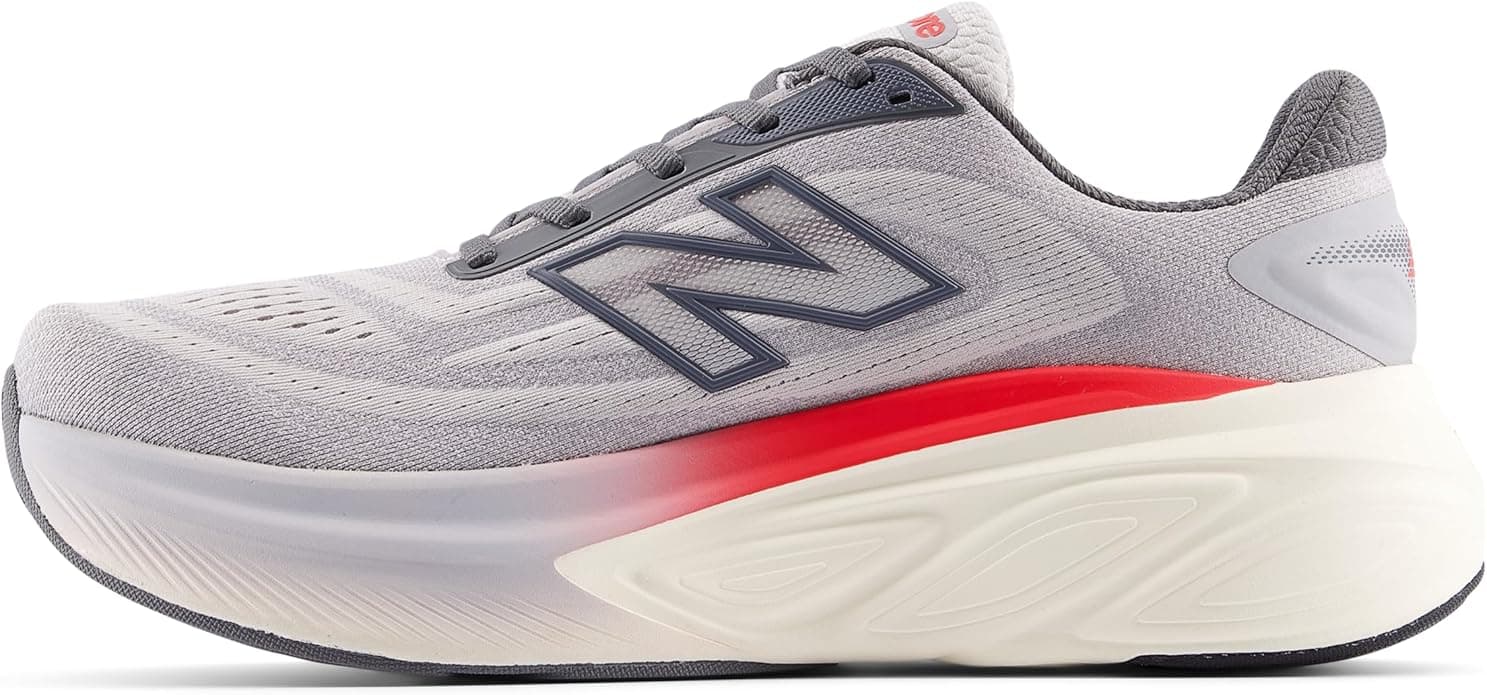
It is not ideal for wide feet. The Glycerin Max 2 comes in standard width only — no wide option is available — and v2 runs slightly narrower and lower in volume than its predecessor. Runners with wider-than-average feet should try the shoe before buying or consider alternatives that offer wide sizing, such as the Hoka Bondi 9 or New Balance Fresh Foam X More v5.
Yes — this is one of the shoe's strongest use cases and is noted positively across multiple sources, including user reviews from runners managing foot conditions like plantar fasciitis and MTP arthritis. The high stack, wide platform, and GlideRoll Rocker make it comfortable for extended time on feet, and its durability means it holds up well under the consistent low-intensity loading that walking produces.
The Glycerin Max 2 fits true to size for most runners, which is an improvement over v1 (which many reviewers recommended sizing up in). Running Warehouse, Doctors of Running, Tom's Guide, and The Run Testers all confirmed true-to-size sizing with no hot spots or heel slippage. Runners with wide or high-volume feet may still want to try before buying, as the fit runs slightly narrower in v2 than in the original.
Durability is one of the Glycerin Max 2's strongest attributes. Doctors of Running reported no measurable outsole or midsole wear after 50 miles and projected the shoe to last well beyond typical training shoe lifespans. The midsole foam also showed strong form retention in early testing. For runners who prioritize longevity, the $200 price point becomes easier to justify.
Key Sources
Doctors of Running — https://www.doctorsofrunning.com/2025/12/brooks-glycerin-max-2-review-2025.html
Believe in the Run — https://believeintherun.com/shoe-reviews/brooks-glycerin-max-2-review/
Road Trail Run (Multi-Tester, 8 Comparisons) — https://www.roadtrailrun.com/2025/11/brooks-glycerin-max-2-multi-tester.html
The Run Testers — https://theruntesters.com/brooks-glycerin-max-2-review/
RunRepeat (Lab Review) — https://runrepeat.com/brooks-glycerin-max-2
Running Warehouse — https://www.runningwarehouse.com/reviews/brooks-shoe-reviews/brooks-glycerin-max-2.html
Tom's Guide — https://www.tomsguide.com/wellness/running/brooks-glycerin-max-2-review
Flawless Shoe Reviews — https://flawlessshoereviews.com/brooks-shoes/brooks-glycerin-max-2-review/
Meta Endurance — https://meta-endurance.com/brooks-glycerin-max-2-review-max-cushion-minimal-changes/
Women's Running UK — https://www.womensrunning.co.uk/gear/brooks-glycerin-max-2-review-recovery-runs-made-easier/
Fleet Feet (Men's Product + User Reviews) — https://www.fleetfeet.com/products/mens-brooks-glycerin-max-2
Fleet Feet (Women's Product + User Reviews) — https://www.fleetfeet.com/products/womens-brooks-glycerin-max-2
Brooks Running (Official Product Page) — https://www.brooksrunning.com/en_us/mens/shoes/road-running-shoes/glycerin-max-2/110479.html