
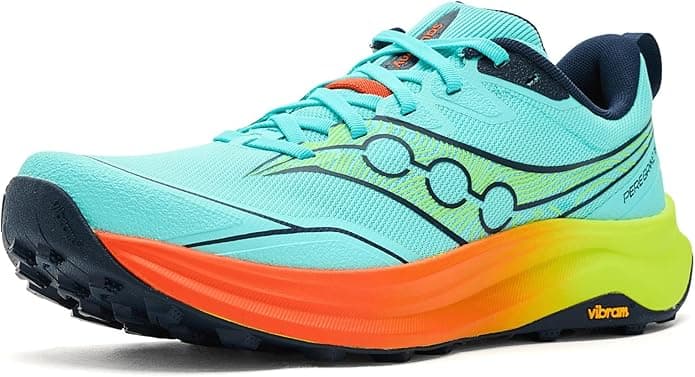


Saucony Peregrine 16 Review
An aggregated overview based on reviewer and runner feedback.
Disclaimer: AI was used to help provide an unbiased perspective on this topic, and all content was carefully fact-checked and edited by human running-shoe analysts. It reflects aggregated opinions from reviewers and runners and does not represent firsthand testing. Learn more →
Overview & Quick Verdict
The Saucony Peregrine 16 is the most consequential update to this long-running trail line in years — not because it reinvents the formula, but because it finally fixes the two things that held every prior version back. Vibram Megagrip replaces Saucony's in-house PWRTRAC rubber for the first time in roughly fifteen years, and an additional 4mm of PWRRUN foam brings the stack to 32mm heel / 28mm forefoot. Everything else — the 4mm drop, the agile geometry, the secure fit — stays largely unchanged.
The verdict across lab reviews, long-term testers, and enthusiast outlets is unusually consistent: the Peregrine 16 is the best version of the shoe yet. Traction on wet rock and technical terrain is dramatically improved, and the cushioning upgrade extends the shoe's viable distance range without dulling the connected, low-profile feel the line has always traded on. At $145–$150, it remains one of the strongest value propositions in all-mountain trail running.
The caveats are real but narrow. Deep mud still isn't where this shoe shines, the slightly reduced lug depth (5mm on the 15, 4mm on the 16) being the trade-off for Megagrip's superior rubber compound. The tapered toe box will rule it out for wide-footed runners. And a small number of reviewers flagged a break-in period related to a stiffer toe bumper and heel collar on the new upper. But for the overwhelming majority of trail runners across the terrain types this shoe targets, the Peregrine 16 is a clear recommendation.
Key Stats
- Brand: Saucony
- Model: Peregrine 16
- Category: Neutral all-mountain trail running shoe
- Terrain: Technical trail, mixed singletrack, rocky and rooty terrain
- MSRP: $150
- Weight: 9.5 oz / 271g (brand-stated, men's US 9); 9.8 oz / 278g (RunRepeat lab); 10.65 oz (OutdoorGearLab lab — single-source outlier, likely measurement methodology difference)
- Stack Height: 32mm heel / 28mm forefoot (consensus across all major sources; one lab recorded 31.7mm / 26.9mm)
- Drop: 4mm (brand-stated and confirmed across all major review sources; one lab measurement recorded 4.8mm)
Best For / Not Ideal For
Best For
- Trail runners who want one versatile shoe for daily training, technical terrain, and mixed mountain routes
- Runners who prioritize traction and confidence on wet rock, roots, and off-camber terrain
- Those who prefer a low-drop, connected, ground-feel-oriented platform without going fully minimal
- Trail runners stretching into longer distances — up to 50K — who want more cushioning than previous Peregrines offered without moving to a max-stack shoe
- Hikers and fastpackers who want a trail-first, protective, and durable option at an accessible price
Not Ideal For
- Runners with wide feet or those who need Altra/Topo-level toe box volume
- Mud specialists — shallower lugs mean dedicated mud shoes will outperform it in persistently wet, soft ground
- Ultrarunners targeting 50-mile and 100-mile events who need maximum cushioning and armor underfoot
- Runners transitioning from 8–12mm drop shoes who aren't ready to adapt to a 4mm platform
Pros
- Vibram Megagrip is a genuine game-changer for this line. After fifteen years on Saucony's in-house PWRTRAC rubber, the switch to Megagrip is the upgrade reviewers have been asking for — grip on wet rock in particular is dramatically improved and inspires a level of confidence the prior outsoles couldn't match.
- More cushioning, same Peregrine personality. The additional 4mm of PWRRUN foam makes the shoe noticeably more forgiving on long downhills and consecutive days without muting ground feel or compromising the shoe's nimble, connected character.
- Outstanding value at the price point. At $145–$150 with a Vibram outsole, a forefoot rock guard, a reinforced upper, and gaiter compatibility, multiple sources across lab and enthusiast outlets call it one of the best-priced all-mountain trail shoes available.
- Stable and secure across varied terrain. The wider midsole base, snug heel hold, and locked midfoot create a predictable, confidence-inspiring platform that reviewers consistently describe as stable without feeling stiff or structured.
- Significantly improved upper durability. Saucony addressed a long-standing criticism of the line — upper wear around the toe box and lateral sides — with a reinforced high-strength mesh claimed to be up to 400% more abrasion resistant and 2x more rip-resistant than prior versions.
- Genuinely versatile terrain range. Reviewers consistently use it across everything from technical alpine terrain to mellow singletrack to road-to-trail connectors, a range few trail shoes at this price credibly cover.
- Gaiter-compatible and vegan-friendly. The D-ring for gaiter attachment, recycled materials throughout, and vegan construction add practical and ethical appeal without adding cost or weight.
Cons
- Modest weight increase over the Peregrine 15. The added foam and Vibram outsole bring a slight weight penalty versus its predecessor. RunRepeat's lab measured 9.8 oz — approximately 4.5% heavier — which is negligible for most training contexts but relevant for runners who prized the 15's lighter feel.
- Tapered toe box limits fit options. The Peregrine's classic snug-through-the-forefoot fit is unchanged, and several reviewers flag it as potentially restrictive over long distances or for wider foot shapes. A wide version does exist but isn't universally stocked.
- Reduced lug depth limits deep-mud performance. The move from 5mm to 4mm lugs — the trade-off for adopting Vibram Megagrip — means the shoe gives up some bite in thick mud and very soft ground. Reviewers are consistent: this is not the shoe for persistently muddy routes.
- Stiffer new upper requires break-in. CleverHiker and a handful of other sources noted that the taller heel collar and stiffer toe bumper — improvements for protection and durability — caused hotspots and blisters during early miles, requiring roughly 20–25 miles of break-in before the fit softens.
- Forefoot-only rock protection. The flexible rock guard covers only the forefoot. Runners who spend time on highly technical, rocky terrain and want full-length plate protection will need to look at more heavily armored options.
Ride & Feel
The Peregrine 16 rides lower and more connected than the max-cushion trail shoes that have dominated shelves in recent years, and that's deliberate. The additional 4mm of PWRRUN foam adds perceptible comfort — especially over rocky terrain and on back-to-back days — but the shoe still sits at 32mm in the heel, well below the 36–42mm stacks of ultra-focused competitors. Reviewers who tested it on extended mountain outings describe the cushioning as landing in an ideal middle zone: enough to take the edge off long descents, not so much that proprioceptive feedback is lost.
The PWRRUN foam itself is an injected EVA blend — solidly performing, snappy in response, but not a superfoam. RunRepeat's lab recorded energy return of 58.1% at the heel and 64.5% at the forefoot, numbers that beat many trail-shoe averages but don't approach the figures from PEBA-based compounds. What the foam does well is stay consistent across varied pace and terrain, offering the same reliable feel whether a runner is picking through technical sections or hammering a descent. There is no rocker geometry here; the platform is flat and responsive, putting the runner directly in control of ground interaction.
Fit & Comfort
The Peregrine 16 fits true to size across the vast majority of review sources. The heel is snug and cradled, the midfoot is locked down by a gusseted tongue and structured lacing, and the forefoot is where the conversation gets more nuanced. Most reviewers describe the toe box as on the narrower side of neutral — enough room for toes to splay moderately, but not the wide, foot-shaped volume of an Altra or Topo. Runners with medium-width or narrower feet will find it comfortable; runners with wide feet or those accustomed to zero-drop wide-toe shoes may find it restrictive, particularly over longer distances.
One dissenting note worth flagging: Believe in the Run reported the shoe running half a size to a full size large, a finding that stands out against the true-to-size consensus from iRunFar, RunToTheFinish, Road Trail Run, and OutdoorGearLab. This appears to be a single-reviewer experience rather than a pattern, but runners between sizes may want to try before committing. The break-in period noted by CleverHiker — roughly 20–25 miles before the new stiffer heel collar and toe bumper fully conform — is worth factoring in before any race-day debut.
Support & Stability
The Peregrine 16 is a neutral shoe, but reviewers consistently describe it as more stable in practice than that classification alone suggests. The combination of a relatively firm PWRRUN midsole, a slightly widened base, and a locked-in upper creates a predictable, trustworthy platform on uneven terrain. Road Trail Run measured the platform width at 90mm in the heel and 115mm in the forefoot, dimensions that provide a stable base without the plank-like feel of more heavily structured trail shoes.
The forefoot rock guard — a flexible, forefoot-only layer of lightweight plastic — adds meaningful protection on rocky terrain without introducing the rigidity of a full-length plate. RunRepeat notes this same forefoot-only configuration as unchanged from the Peregrine 15, and the deliberate absence of a full plate contributes to the shoe's adaptable, terrain-reading feel. For runners who prefer being able to feel and react to the ground rather than being isolated from it, this is a meaningful positive rather than a limitation.
Traction & Durability
The Vibram Megagrip outsole is the single biggest upgrade in the Peregrine 16 and the most universally praised aspect across every review source consulted. The improvement over Saucony's prior PWRTRAC rubber is most dramatic on wet rock and wet roots — surfaces where the old outsole's limitations were most exposed — but reviewers report meaningfully better grip across all terrain types, including off-camber singletrack, loose dirt, and slick wooden features. The directional lug pattern — forward-facing lugs in the forefoot for climbing bite, reverse-facing lugs in the heel for braking traction — is carried over from prior versions and works well with the new rubber compound.
The one documented trade-off is the reduction in lug depth from 5mm to 4mm. RunRepeat's lab confirmed this, and multiple reviewers acknowledge it means the shoe self-clears mud less efficiently than more aggressive alternatives in truly wet, soft conditions. For runners whose routes regularly include deep mud or bog, a shoe with taller, more widely spaced lugs — like the Salomon Speedcross 6 or Inov-8 Mudclaw — will outperform it. On everything else — rock, root, hardpack, gravel, loose trail, and light mud — reviewers report the Megagrip as among the best available at this price. Early signs on outsole durability are positive, and the near-full rubber coverage means very little midsole foam is exposed to direct abrasion.
Energy Return & Performance
The Peregrine 16 is not a speed-first shoe, and it doesn't need to be. Its performance identity is versatility — the ability to handle technical sections at tempo, sustain comfort over all-day mountain efforts, and recover underfoot without a maximum-cushion stack. RunRepeat's lab figures (58.1% heel, 64.5% forefoot energy return) position it as a competent but not exceptional performer in energy terms, which tracks with the PWRRUN foam's character: reliable and snappy without the ground-clearing pop of superfoam competitors.
Where the shoe does earn high performance marks is distance range. Multiple reviewers who found earlier Peregrines too firm for efforts beyond a half marathon describe the 16 as viable into the 50K range — a meaningful expansion driven by the additional cushioning. For dedicated trail racers, it competes credibly at most distances up to that threshold. For 50-mile and 100-mile events, the moderate stack and forefoot-only rock protection put it at a disadvantage against shoes purpose-built for that context, such as the Saucony Xodus Ultra.
Final Verdict
The Saucony Peregrine 16 earns its reputation as the best version of the line yet, and the case for it is straightforward: the two most significant weaknesses of every prior Peregrine — outsole traction and cushioning — have been meaningfully addressed, while the qualities that made the shoe worth returning to across fifteen iterations remain intact. Vibram Megagrip is not a marginal improvement over PWRTRAC; for runners who have slipped on wet boardwalks or wet rock in Saucony shoes before, it is a qualitative shift. The cushioning upgrade is equally real without crossing into the plush, disconnected feel that would change what the shoe is.
The caveats are real but specific. Runners with wide feet, those whose routes are dominated by deep mud, or those building toward very long ultra-distance events will need to look elsewhere. For everyone else — trail runners who want a single versatile shoe that handles technical daily training, moderate mountain routes, and longer mixed-terrain efforts at an honest price — the Peregrine 16 is one of the easiest recommendations in the category.
Alternatives to Consider
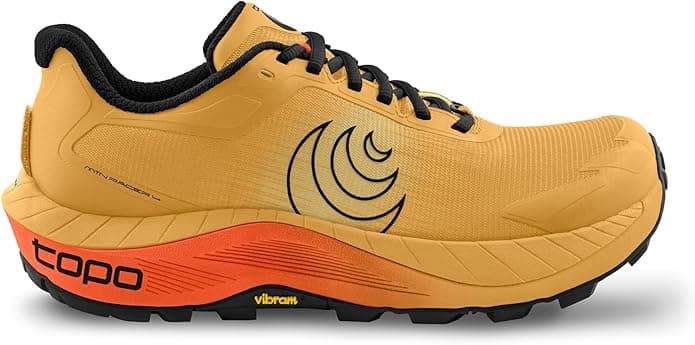
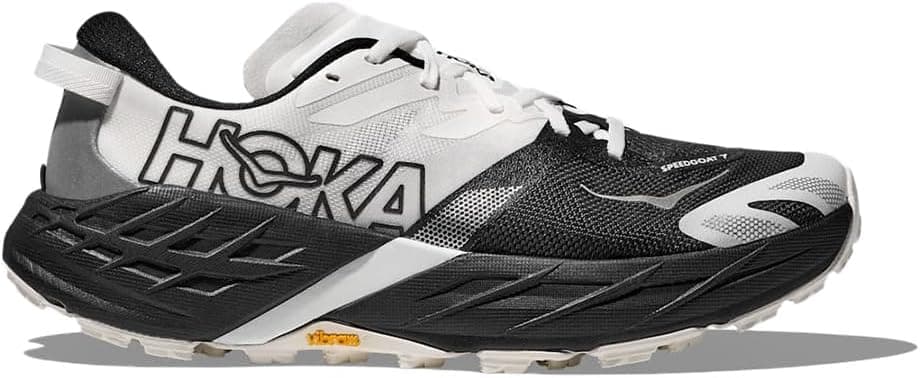
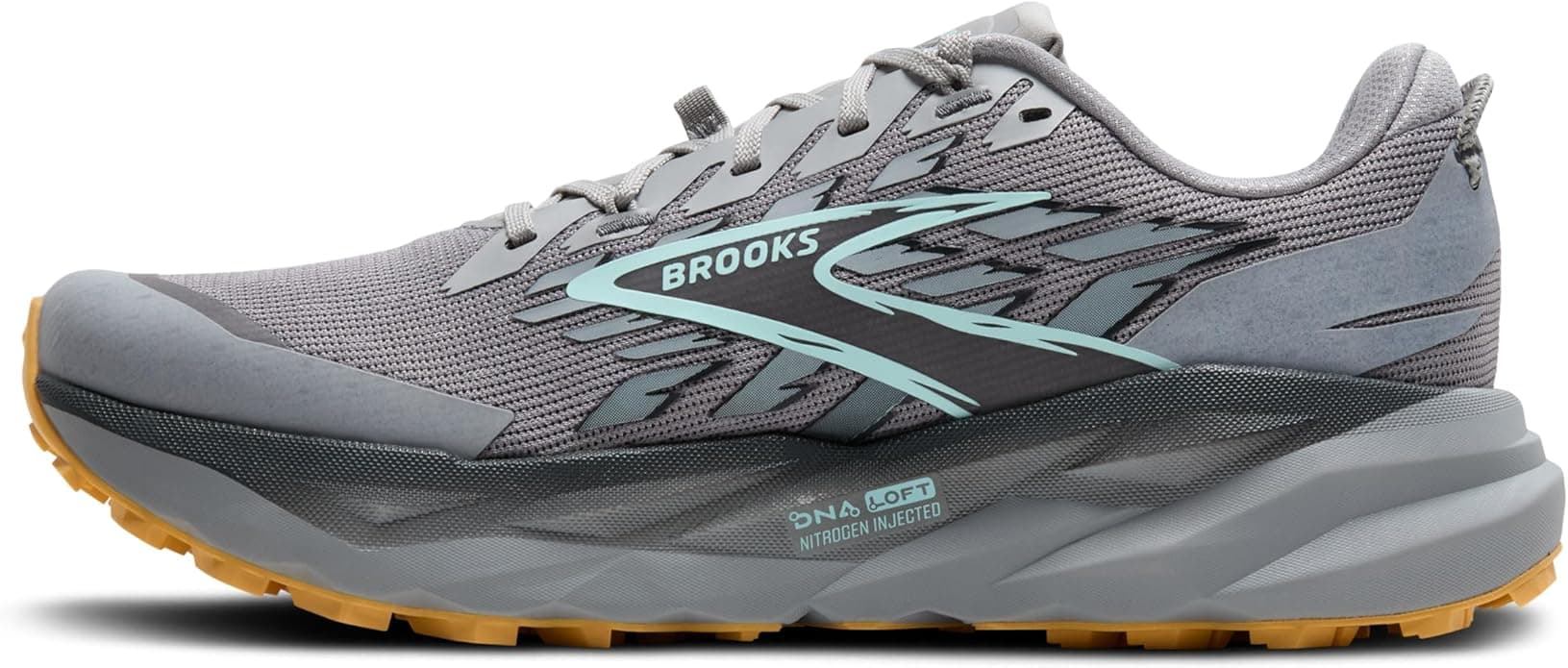
Not quite the right fit? Here are some shoes worth comparing.
Frequently Asked Questions
For most runners, yes. The two most significant changes — Vibram Megagrip replacing Saucony's in-house PWRTRAC rubber, and an additional 4mm of PWRRUN foam — address the Peregrine 15's most cited limitations. Traction on wet rock and mixed technical terrain is substantially improved, and the extra cushioning extends the shoe's comfortable distance range. Runners who were already happy with the 15 will find the 16 familiar but meaningfully better; runners who found the 15 too firm or too limited on slick surfaces will find the 16 fixes both.
It has a forefoot rock guard — a flexible, lightweight plastic layer positioned between the outsole and midsole in the forefoot only. It is not a full-length plate. The protection is meaningful for the terrain the shoe targets, but runners who spend significant time on very rocky, technical terrain and want full-foot armor may prefer a shoe with full-length plate coverage.
The strong consensus across iRunFar, RunToTheFinish, Road Trail Run, OutdoorGearLab, and RunRepeat is true to size. The fit is on the snug, tapered side through the forefoot — more Saucony-narrow than wide-toe — but length is consistent with standard sizing. One reviewer (Believe in the Run) found it ran half a size to a full size large, but this appears to be an outlier rather than a pattern. Runners between sizes or with wider feet should try before buying; a wide version is also available.
It's viable up to roughly the 50K distance, and the added cushioning over prior Peregrines meaningfully extends its range in that direction. For 50-mile and 100-mile events — especially on consistently rocky or technical terrain — the moderate stack height and forefoot-only rock guard put it at a disadvantage compared to purpose-built ultra shoes with higher stacks and full-length protection. Saucony's own Xodus Ultra is the more natural choice at those distances.
Adequately on light mud and mixed terrain, but not as a specialist mud shoe. The switch to Vibram Megagrip improved wet-surface traction dramatically, but Saucony simultaneously reduced lug depth from 5mm to 4mm. That shallower profile means the shoe self-clears thick, sticky mud less efficiently than more aggressive alternatives. On everything else — wet rock, roots, hardpack, loose dirt, and light mud — the Megagrip outsole is among the best in its class.
The Vibram Megagrip outsole should extend durability compared to prior Peregrines, and early testers report very low visible outsole wear through 200+ miles. The new reinforced mesh upper — claimed to be significantly more abrasion and rip-resistant than prior versions — also addresses a documented weakness in the line. That said, multiple long-term reviewers note meaningful wear by the 300-mile mark in previous Peregrine models, and the 16's durability ceiling at high mileage is still being established.
Yes. A Gore-Tex variant (Peregrine 16 GTX) is available at a higher price point for runners who regularly train in wet weather and want waterproof protection. The standard mesh version drains and dries quickly and is a better choice for most warm-weather or intermittently wet conditions.
Key Sources
iRunFar — https://www.irunfar.com/saucony-peregrine-16-review
Believe in the Run — https://believeintherun.com/shoe-reviews/saucony-peregrine-16-review/
Road Trail Run — https://www.roadtrailrun.com/2025/12/saucony-peregrine16-review-vibram-and.html
RunRepeat — https://runrepeat.com/saucony-peregrine-16
OutdoorGearLab (Women's) — https://www.outdoorgearlab.com/reviews/shoes-and-boots/trail-running-shoes-womens/saucony-peregrine-16-womens
RunToTheFinish — https://runtothefinish.com/saucony-peregrine-16-review/
Trail and Kale — https://trailandkale.com/saucony-peregrine-16-trail-running-shoes-review/
Better Trail — https://bettertrail.com/outdoor-gear/saucony-peregrine-16-trail-running-shoe-review
CleverHiker (Men's) — https://www.cleverhiker.com/footwear/mens-saucony-peregrine-16-review/
CleverHiker (Women's) — https://www.cleverhiker.com/footwear/womens-saucony-peregrine-16-review/
Alastair Running — https://www.alastairrunning.com/saucony-peregrine-16-review/
Running Warehouse — https://www.runningwarehouse.com/Saucony_Peregrine_16/descpage-SP16M1.html
HikingDaily — https://hikingdaily.com/saucony-peregrine-review/
Runner's Cove — https://runnerscove.com/running-shoes/saucony-peregrine-16/
Trail Shoes Reviewed — https://trailshoesreviewed.com/saucony-shoes/saucony-peregrine-16-review/
Run Weekly — https://www.runweekly.com/saucony-peregrine-16/
Northern Runner — https://www.northernrunner.com/blog/saucony-peregrine-16-review/
Active Gear Review — https://www.activegearreview.com/running-gear/trail-running-shoes/mens-trail-running-shoes/saucony-peregrine-16-review/
Run and Become — https://www.runandbecome.com/running-product-reviews/shoes/saucony-peregrine-trail
Reddit r/trailrunning — https://www.reddit.com/r/trailrunning/comments/1tg2td4/saucony_peregrine_16_how_much_distance_did_you_get/
Reddit r/trailrunning — https://www.reddit.com/r/trailrunning/comments/1qwp5el/peregrine_14_vs_16/