
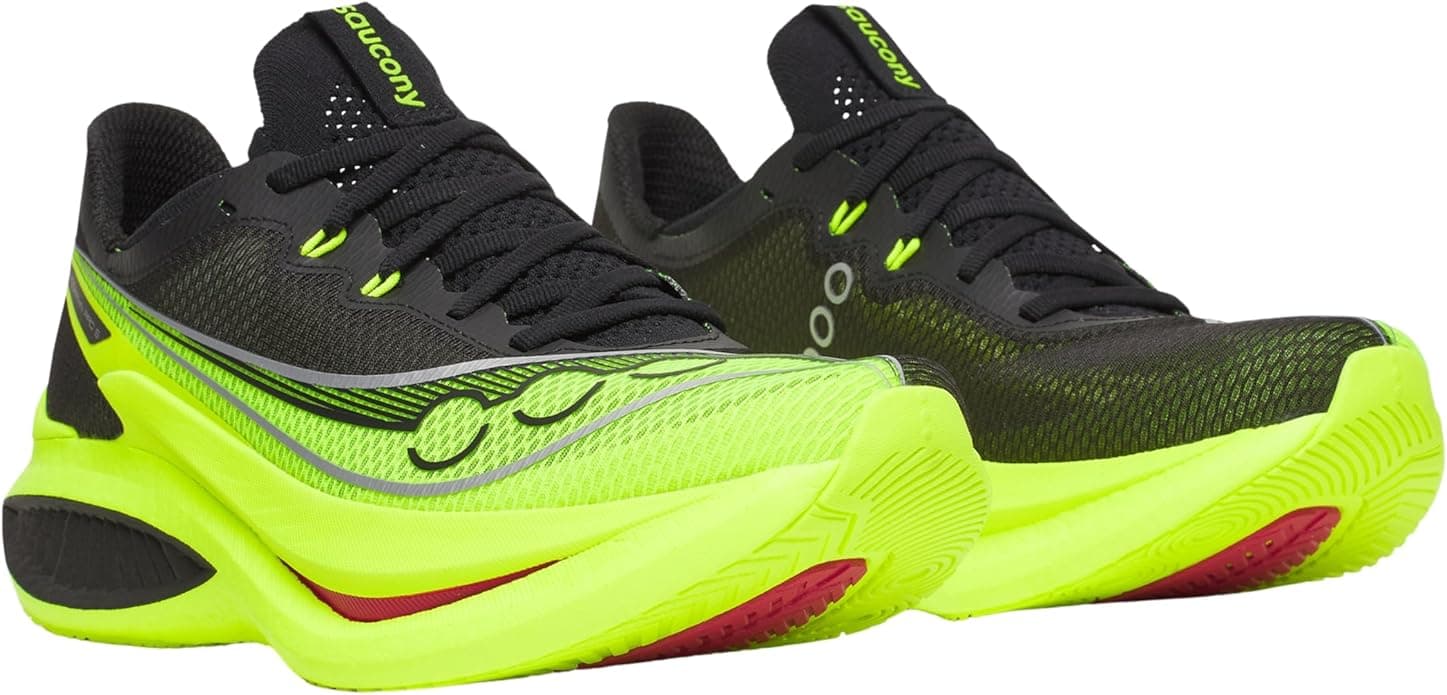


Saucony Endorphin Pro 5 Review
An unbiased look at what reviewers and runners are saying.
Disclaimer: AI was used to help provide an unbiased perspective on this topic, and all content was carefully fact-checked and edited by human running-shoe analysts. It reflects aggregated opinions from reviewers and runners and does not represent firsthand testing. Learn more →
Overview & Quick Verdict
The Saucony Endorphin Pro 5 is best understood as a careful refinement rather than a significant overhaul. Saucony retained the dual-layer PWRRUN HG and PWRRUN PB midsole from the Pro 4 while updating the carbon plate geometry, SpeedRoll rocker, and outsole compound — the kinds of incremental improvements that sharpen a shoe without reinventing it.
Across the review community, two distinct camps have emerged. Many runners praise the Pro 5 as an improved, highly approachable carbon racer that excels in its stability, versatility, and value. A more critical group argues that the updates don't go far enough, particularly given how aggressive the broader super shoe market has become.
The clearest consensus is this: the Endorphin Pro 5 is one of the most accessible carbon-plated racing shoes available, built for runners who prioritize control and consistency over explosive propulsion. Whether that's a strength or a limitation largely depends on what you're looking for.
Key Stats
- Brand: Saucony
- Model: Endorphin Pro 5
- Category: Carbon-plated road racing shoe
- Terrain: Road
- MSRP: $240
- Weight: 7.3 oz / 206g (men's US 9); 6.3 oz / 178g (women's US 8)
- Stack Height: 39.5 mm heel / 31.5 mm forefoot
- Drop: 8 mm
Best For / Not Ideal For
Best For
- Runners new to carbon-plated shoes looking for stability and approachability
- Marathon and half-marathon racing, as well as key tempo workouts
- Runners who found aggressive super shoes too unstable or unpredictable
- Those wanting a durable carbon shoe that handles both training and race miles
Not Ideal For
- Runners seeking the most explosive, high-energy super shoe available
- Those sensitive around the Achilles or heel collar
- Runners looking for a plush, cushioned ride rather than a firm, efficient one
Pros
- Improved carbon plate design: The new slotted, fork-like plate geometry allows for more independent forefoot flex while preserving forward propulsion through the SpeedRoll rocker.
- Notably better traction: The updated PWRTRAC outsole provides significantly improved grip on both dry and damp roads compared to the Pro 4's cross-hatch rubber — a widely praised upgrade.
- Stable and controlled ride: A wide platform and well-managed midsole geometry give this shoe a planted, predictable feel that holds up under fatigue, a consistent selling point across reviewers.
- Accommodating fit: The volume is more generous than most super shoes in this category, making it a strong choice for runners with wider feet.
- Strong value relative to the category: Lab testing and reviewers alike note that the Pro 5 punches above its price point compared to many similarly positioned carbon racers.
- Durable enough for training use: The combination of beaded PWRRUN PB below the plate and the new outsole compound means this shoe can handle regular workout miles, not just race day.
Cons
- Incremental updates may disappoint: Many reviewers expected more from this version, noting that the foam stack is largely unchanged and the ride remains noticeably conservative for a $240 shoe in 2026.
- Heel counter rubbing is a recurring issue: Multiple testers across different outlets reported Achilles irritation from the redesigned heel counter, particularly in the early break-in period.
- Tongue folds and creases under lacing: The sock-style, one-piece knit tongue tends to fold in on itself when laces are tightened, especially on narrower feet — a common complaint that is more annoying than painful.
- Ride feels firm and lacks top-tier pop: Lab energy return measurements place the PWRRUN PB + PWRRUN HG combo a step below leading competitors, and several reviewers note the plate's presence is understated at race pace.
- Weight is above average in the category: At 7.3 oz, the Pro 5, though still light, lands at a heavier weight than most race shoes of 2026 that often come in at sub 7 or even sub 6 oz.
Ride & Feel
The Endorphin Pro 5 delivers a firm, efficient ride that sits on the controlled end of the super shoe spectrum. The dual-foam setup — PWRRUN HG closest to the foot, PWRRUN PB below the plate — provides a snappy, responsive feel without much of the deep, bouncy compression found in newer-generation foams from other brands.
The updated slotted carbon plate uses a fork-like four-prong design intended to allow more independent forefoot flex while preserving overall stiffness. In practice, reviewers found this makes transitions feel slightly quicker and more fluid than the Pro 4, though the overall character of the ride remains consistent with its predecessor.
SpeedRoll remains the defining feature of the shoe's geometry. The pronounced rocker guides the foot forward in a way that feels natural and efficient rather than forced, particularly during marathon-pace efforts and sustained tempo runs. Runners who work well with a rocker-based transition tend to report smooth, rhythmic running; those who don't connect with the assisted roll are less likely to find it versatile at different paces.
Fit & Comfort
Fit feedback across sources is consistent: the Pro 5 runs true to size and offers a notably roomier fit than most carbon shoes in the category. The toe box in particular has been flagged as a standout feature — generous enough to accommodate wider feet without feeling sloppy on narrower ones.
The upper uses a lightweight engineered mesh with minimal structure and reflective details for low-light visibility. A revised heel counter provides improved lockdown compared to the Pro 4, though this change has produced some Achilles friction for a meaningful subset of testers. The irritation often lessens with break-in miles, but it's worth flagging for anyone with Achilles sensitivity.
The sock-style knit tongue — integrated rather than traditionally gusseted — provides a secure wrap that doesn't shift during runs. On narrow feet, however, it can crease or fold under the laces when tightened, which multiple reviewers noted as a minor but persistent annoyance. Comfort overall is rated as solid for a racing shoe, though the firmer ride and minimal padding mean it doesn't feel plush underfoot.
Support & Stability
Stability is one of the most consistently praised aspects of the Endorphin Pro 5. The wide platform, heel flare, and well-supported rearfoot create a more planted, predictable feel than many rival carbon shoes — a quality that reviewers specifically cite as beneficial during the final miles of a marathon, when form starts to deteriorate.
That said, the new slotted plate design has introduced some frontal plane movement in the forefoot that wasn't present in previous versions. Doctors of Running noted the shoe now feels more neutral in the front half compared to the Pro 4, which some runners may experience as a slight reduction in medial support during toe-off.
Heavy heel strikers and runners with notable overpronation needs are generally steered away from this shoe by multiple sources. For neutral to mild pronators with efficient mechanics, however, the Pro 5 delivers a controlled and confidence-inspiring platform across a range of distances and paces.
Traction & Durability
The PWRTRAC outsole update is among the most straightforwardly positive changes in the Pro 5. Multiple reviewers who tested the Pro 4 specifically called out traction as a weakness, and the consensus on the Pro 5 is that this area has been meaningfully improved. Grip on dry roads is reliable, and performance on damp or wet surfaces is notably more confidence-inspiring than the previous generation.
Some gap in outsole coverage exists in unprotected midsole zones, and at least one reviewer flagged this as a potential durability concern over higher mileage. The beaded PWRRUN PB foam below the plate, however, is widely recognized as a durable compound — its longevity is one reason it remains in the lineup despite criticism that it lacks the bounce of newer foams.
Overall durability is rated as a relative strength within the category. Saucony appears to have positioned the Pro 5 explicitly as a shoe that can handle both key training sessions and race days, and the construction generally supports that use case.
Energy Return & Performance
Lab testing from RunRepeat measured energy return at 72.8% in the heel and 75.8% in the forefoot — a genuine improvement over the Pro 4, but still a step below the top tier of the category. The numbers reflect what most reviewers describe subjectively: the shoe is fast and efficient, but the foam + plate's presence is understated rather than aggressive.
Where the Pro 5 performs most reliably is in the moderate-to-hard pace range — tempo runs, marathon-pace long efforts, and half-marathon to marathon racing. At shorter, faster distances where a more explosive plate feel would be advantageous, some reviewers found the sensation muted. Performance over marathon distance, however, is frequently highlighted as a genuine strength.
The broader competitive context is worth noting. The super shoe market has evolved significantly since the Endorphin Pro line launched, and several reviewers — including from Believe in the Run and Doctors of Running — suggest the foam stack would benefit from a more ambitious upgrade to remain competitive at the price point.
Final Verdict
The Saucony Endorphin Pro 5 succeeds in doing what it sets out to do: deliver a stable, approachable, and durable carbon-plated racing experience for runners who prioritize control over raw propulsion. The improved outsole, snappier plate geometry, and refined upper represent real progress from the Pro 4, even if the changes are measured.
The tradeoffs — a conservative foam setup, occasional heel counter friction, and a ride that trails the most aggressive super shoes in outright energy return — are real, and recurring across reviews. Whether they matter depends on what you need from a race shoe.
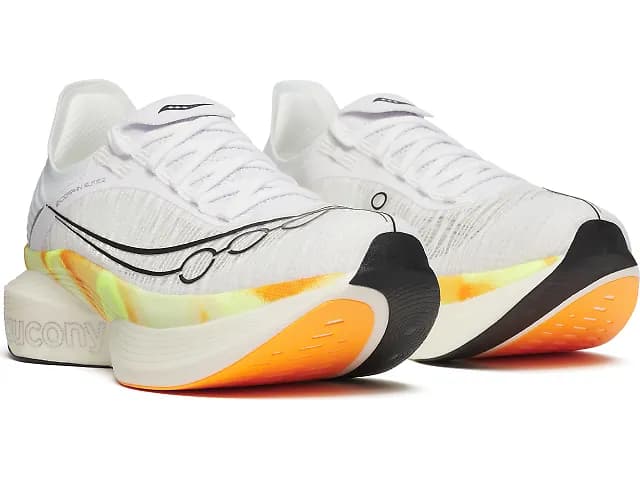
For runners who want a carbon racer with a trustworthy, forgiving character across the full marathon distance, the Endorphin Pro 5 remains one of the better options at its price point. Runners chasing peak propulsion will want to look at the Endorphin Elite or alternatives from other brands.
Alternatives to Consider
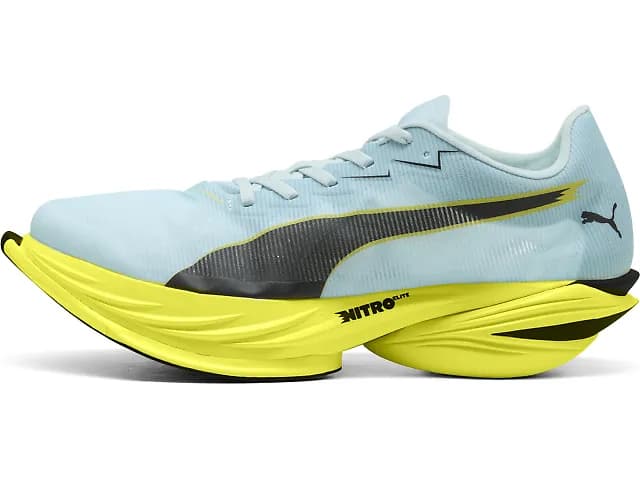
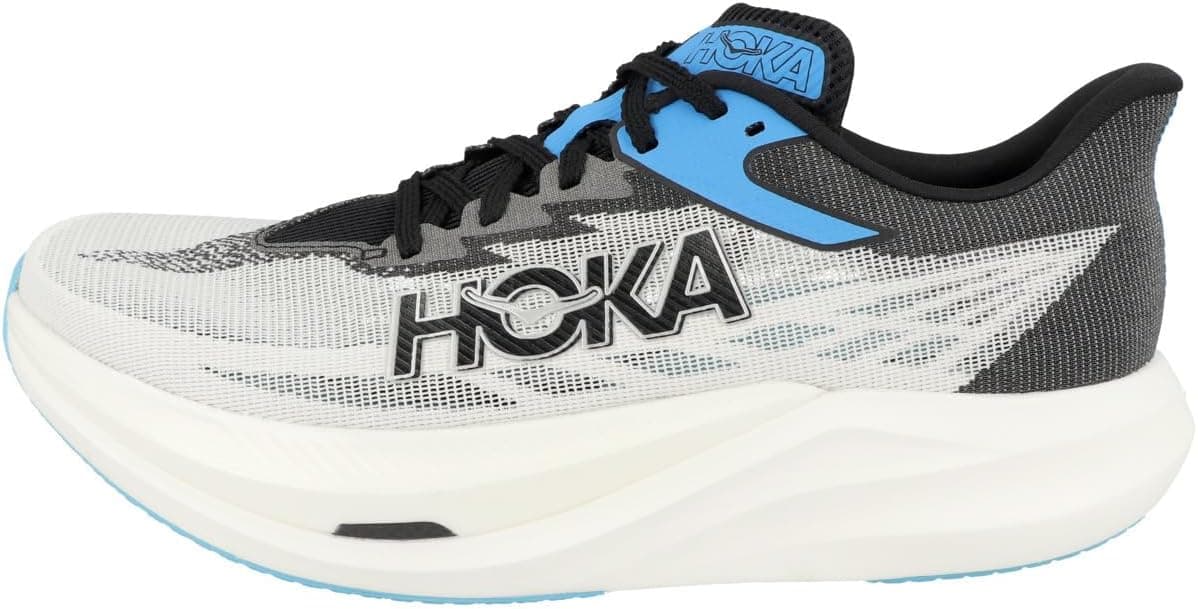
Not quite the right fit? Here are some shoes worth comparing.
Frequently Asked Questions
Yes — marathon and half-marathon distances are where the Pro 5 consistently earns its best feedback. The stable platform, SpeedRoll rocker, and cushioning hold up well over long distances, and the shoe's controlled character tends to shine when fatigue sets in late in a race.
The Pro 5 is largely familiar to Pro 4 runners. The main updates are a redesigned slotted carbon plate for slightly more forefoot flex, a new PWRTRAC outsole with improved traction, and a revised heel counter. The foam stack, weight, and stack height remain unchanged. Most reviewers describe it as a meaningful refinement rather than a significant overhaul.
Yes, reviewers consistently report it runs true to size, with a roomier fit than most super shoes — particularly in the toe box. Runners with narrow feet may experience some tongue folding under the laces, while those with wider or higher-volume feet tend to find the fit a good match.
A recurring complaint across multiple review outlets is Achilles irritation from the redesigned heel counter. The issue tends to lessen with break-in miles, but runners with Achilles sensitivity or who are new to this shoe should pay attention during early runs and consider wearing taller socks.
The Elite 2 is the more aggressive of the two, featuring Saucony's IncrediRun foam for a noticeably softer and bouncier ride with higher energy return. The Pro 5 uses the older PWRRUN HG and PB stack, resulting in a firmer, more controlled ride. The Pro 5 is better suited for runners who want durability and stability; the Elite 2 is for those chasing maximum race-day performance.
Somewhat. The 8mm drop, SpeedRoll geometry, and pronounced heel flare all support heel strikers in principle. However, some reviewers note that heavy heel strikers — especially those with overpronation — may find the shoe less accommodating than expected. Mid-to-forefoot strikers with neutral mechanics tend to get the most out of this shoe.
Yes. Saucony designed the Pro 5 with durability in mind, and the beaded PWRRUN PB foam and PWRTRAC outsole are both well-suited for regular workout miles. Several reviewers describe it as a trainer-racer hybrid, capable of handling tempo sessions and long runs without excessive wear.
Key Sources
Believe in the Run — https://believeintherun.com/shoe-reviews/saucony-endorphin-pro-5-review/
Road Trail Run (Multi-Tester Review) — https://www.roadtrailrun.com/2026/01/saucony-endorphin-pro-5-review.html
Road Trail Run (Average Runner's Take) — https://www.roadtrailrun.com/2026/03/saucony-endorphin-pro-5-review-average.html
Doctors of Running — https://www.doctorsofrunning.com/2026/01/saucony-endorphin-pro-5-review-2026.html
RunRepeat — https://runrepeat.com/saucony-endorphin-pro-5
Running Warehouse (Expert Review) — https://www.runningwarehouse.com/reviews/saucony-shoe-reviews/saucony-endorphin-pro-5.html
Run to the Finish — https://runtothefinish.com/saucony-endorphin-pro-5-review/
Alastair Running — https://www.alastairrunning.com/saucony-endorphin-pro-5-review/
RTINGS.com — https://www.rtings.com/running-shoes/reviews/saucony/endorphin-pro-5-pink