
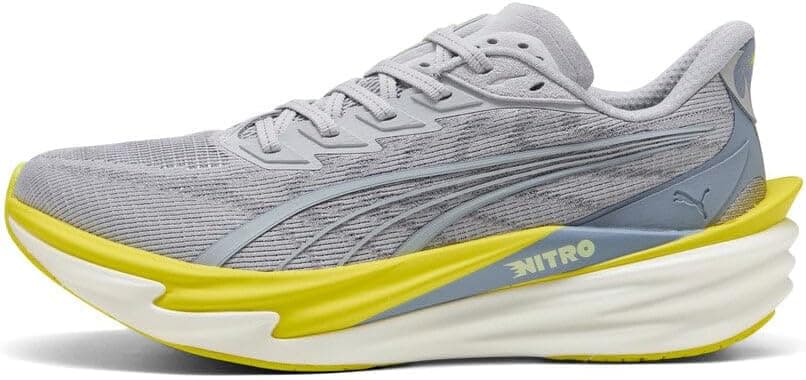


Puma Deviate Nitro 4 Review
An aggregated overview based on reviewer and runner feedback.
Disclaimer: AI was used to help provide an unbiased perspective on this topic, and all content was carefully fact-checked and edited by human running-shoe analysts. It reflects aggregated opinions from reviewers and runners and does not represent firsthand testing. Learn more →
Overview & Quick Verdict
The Puma Deviate Nitro 4 is the fourth iteration of Puma's flagship plated trainer, launching in early 2026 with a meaningful set of refinements: a wider upper, a lighter build, a revised dual-layer PEBA/EVA midsole, and a drop reduction from 10 mm to 8 mm. It sits in Puma's lineup as an uptempo trainer — positioned above the non-plated Velocity Nitro 4 and below the full race-spec Deviate Nitro Elite 4 — competing directly with shoes like the Saucony Endorphin Speed 5, Adidas Boston 13, and Nike Zoom Fly 6.
The consensus picture across lab reviewers, multi-tester outlets, and enthusiast coverage is broadly positive, with near-unanimous praise for the PUMAGRIP outsole, the improved fit, and a versatile pacing range that genuine upgrades over the v3. Where the review ecosystem diverges — sharply, in some cases — is on the stiffness of the carbon composite PWRPLATE and whether the shoe's mechanics suit the individual runner's biomechanics and intended pace range.
At $170 with a PEBA-based dual foam stack and a composite plate, the value proposition is strong. But this is a shoe with a clear identity: energetic, firm, and performance-oriented. Runners who need softness, flexibility, or maximum cushioning should look elsewhere.
Key Stats
- Brand: Puma
- Model: Deviate Nitro 4
- Category: Neutral plated daily trainer / uptempo performance trainer
- Terrain: Road
- MSRP: $170 USD (standard); $180 USD (HYROX Edition)
- Weight: 8.8 oz / 250 g (men's US 9); 7.2 oz / 205 g (women's US 8)
- Stack Height: 38 mm heel / 30 mm forefoot (official); RunRepeat lab teardown recorded lower physical measurements
- Drop: 8 mm (reduced from 10 mm on the Deviate Nitro 3)
Best For / Not Ideal For
Best For
- Neutral runners wanting one plated shoe capable of interval training, daily training, and tempo or progression runs
- Midfoot and heel strikers who can work with a stiffer forefoot plate and a firm toe-off
- Runners who train in wet, cold, or variable weather and prioritize dependable outsole traction
- Runners who disliked the narrow fit of prior Deviate Nitro versions and want a roomier upper without sacrificing the performance character
- Value-conscious buyers looking for PEBA-based foam tech and a plate at a sub-$170 price point
Not Ideal For
- Runners who prefer soft, highly flexible, or forgiving trainers
- Wide-footed runners; the platform and upper remain performance-snug
- Heavy heel strikers seeking plush rearfoot cushioning and high rearfoot energy return
- Those looking for a true max-cushion option for high-volume easy mileage
Pros
- PUMAGRIP outsole traction is class-leading. Multiple independent reviewers describe it as one of the best outsole compounds currently available, performing reliably on wet roads, mixed surfaces, and slick conditions with consistent, confidence-inspiring grip.
- Genuinely improved fit over prior Deviate versions. The widened forefoot and midfoot, squared-off toe box, and updated mesh upper are highlighted as meaningful upgrades across virtually every review source — Running Warehouse calls it the best-fitting Deviate to date.
- Noticeable weight savings. At approximately 22–15 g lighter than the Deviate Nitro 3 depending on size, the v4 feels more nimble and responsive, particularly during faster efforts.
- Strong pacing versatility. Road Trail Run's multi-tester review describes it as capable of everything from easy daily runs through to tempo sessions, and several sources note it can serve as a marathon racer for runners targeting 3:30 or slower.
- Energetic, snappy toe-off at pace. The combination of the 100% PEBA top layer and the composite plate delivers a lively, propulsive feel that multiple reviewers say rewards runners who push the effort.
- Excellent value for the technology on offer. A PEBA-based dual foam midsole and a carbon composite plate at $170 is consistently cited as strong relative to category competitors.
- Drop reduction creates a more balanced underfoot feel. The reduction from 10 mm to 8 mm, combined with more forefoot foam, is noted by Canadian Running Magazine as producing a more natural, controlled transition than the v3.
Cons
- The forefoot plate is very stiff, and that matters. Doctors of Running's testing flagged the PWRPLATE as extremely rigid, and one reviewer found the midfoot-to-forefoot transition "awkward" enough to limit use to shorter, easier runs — a biomechanics mismatch that will affect some runners more than others.
- Not a great fit for wide feet. RunRepeat's lab measurements recorded a 70.6 mm toebox width, reinforcing that this is a performance-snug shoe; the midfoot platform also runs narrow, with some testers noting medial overhang.
- Rearfoot energy return lags behind the forefoot. RunRepeat's lab testing found heel energy return notably weaker than the forefoot figures, an asymmetry that disadvantages heavy heel strikers seeking a bouncy rearfoot experience.
- Upper durability is flagged as a concern. RunRepeat's lab wear testing gives the mesh upper low durability scores, a recurring limitation in the Deviate Nitro line despite otherwise strong outsole longevity.
- Cushioning may feel insufficient for long, easy miles. At 30 mm in the forefoot with a stiff plate, several sources — including The Run Testers and RunRepeat — note the shoe falls short of today's max-stack trainers for runners prioritizing pure protection on relaxed long runs.
- Heel bevel could be smoother. Doctors of Running, among others, note that the heel transition is less refined than comparable shoes, a minor but consistent observation from biomechanically-focused reviewers.
Ride & Feel
The Deviate Nitro 4's ride character is defined by firmness and responsiveness rather than softness or volume. The 100% PEBA top layer provides noticeably more bounce and energy return than the PEBA-blend foam used in the Deviate Nitro 3, and reviewers from Road Trail Run and Believe in the Run agree the v4 feels meaningfully softer underfoot at easy paces than its predecessor — while retaining the snap and firmness that has always defined the line.
The full-length composite PWRPLATE is the dominant variable in the ride experience. At faster paces, it creates a propulsive, efficient toe-off that reviewers consistently praise. At easy paces, the plate's rigidity reduces the natural flex of the foot, which several sources describe as feeling slightly mechanical or disconnected — this is the central point of division in the review ecosystem.
Puma has deliberately avoided the aggressively rockered geometry and ultra-soft foam that characterize many current super trainers. The result, as Road Trail Run describes it, is the "most polished and versatile" shoe in its category for runners whose mechanics align with it — and a shoe that can feel limiting for those whose don't.
Fit & Comfort
Sizing is consistently reported as true to size across all major review sources, with the widened upper representing the most significant upgrade from the Deviate Nitro 3. The forefoot is now described as spacious without being sloppy, and Running Warehouse notes that Puma added more overall volume to accommodate a wider variety of foot shapes than prior versions allowed. RunRepeat still measured a narrow toebox, so those with wide feet will want to be cautious.
The midfoot remains on the narrower side of the performance spectrum. Doctors of Running noted that the midfoot platform is narrower than the upper itself — meaning the foot sits over the edge of the sole in that region — though this was not reported as a source of pain, only awareness. Wide-footed runners are consistently advised to try before buying, or to consider alternatives.
Step-in comfort is broadly praised, with the padded collar and tongue landing well across testers. Believe in the Run noted that the softer, wider step-in feel is immediately apparent compared to v3, and several reviewers attribute this partly to the refined upper construction and partly to the softer PEBA midsole contact layer.
Support & Stability
The Deviate Nitro 4 is a neutral shoe, and it offers no pronation control features. The platform stability that does exist comes from the wider midfoot base versus prior Deviate versions — a change Road Trail Run specifically notes improves confidence at slower paces — and from the inherent structural stiffness of the composite plate, which resists lateral flex.
For runners with neutral mechanics, reviewers generally describe the platform as stable and planted without feeling rigid or constraining. The lack of an aggressive rocker means the shoe doesn't try to push the runner's stride pattern in a particular direction, which Believe in the Run and The Run Testers both flag as a feature rather than a limitation for daily training use.
Runners requiring meaningful medial support or those who overpronate will not find what they need here, and the narrow midfoot platform may compound instability concerns for flatfooted runners. The Puma ForeverRun Nitro 2 is the frequently cited alternative within the Puma line for those with stability needs. However, this is one of the more stable speed training shoes on the market.
Traction & Durability
PUMAGRIP is the most consistently praised element of the Deviate Nitro 4 across every review source consulted. Road Trail Run describes it as "exceptionally grippy," Run to the Finish confirmed solid performance on wet concrete and sharp turns, and RunRepeat states the compound is among the best outsole rubbers currently on the market. The outsole coverage is designed to handle all footstrike patterns, including a plate-exposed midfoot cutout that has not been reported as a rock-collection issue in testing.
Long-term outsole durability appears strong based on early testing — the rubber is consistently described as tacky and grippy, with no reports of premature wear through the review cycle. The caveat is that the mesh upper draws the opposite assessment: RunRepeat's lab durability scoring for the upper is low, a pattern that has followed the Deviate Nitro line across generations. Runners who train in abrasive conditions or log very high weekly mileage should keep upper longevity in mind.
Energy Return & Performance
RunRepeat's lab testing recorded notably higher energy return in the forefoot than in the heel, reflecting the asymmetrical character of the dual-layer foam setup: the pure PEBA top layer delivers more rebound at toe-off, while the PEBA/EVA blend below the plate is firmer and more damping. This architecture rewards runners who generate force forward through the forefoot rather than absorbing through the heel.
At uptempo paces, the shoe's performance profile is widely validated. The Run Testers describe it as "lighter and nimbler than the Deviate Nitro 3 and feels a lot better at faster paces," and Road Trail Run's Sally calls the ride "smooth and exciting underfoot" across effort levels. The composite plate — while not a full-carbon race setup — contributes meaningfully to the energetic toe-off at threshold and tempo intensities.
For purely easy or recovery running, the performance picture is more nuanced. Reviewers like Road Trail Run and Running Warehouse describe it as comfortable enough across all paces, while Doctors of Running found the stiff forefoot plate limited their easy-day experience significantly. Whether the shoe's performance at easy efforts reads as "adequate and versatile" or "awkward and constraining" appears to be genuinely biomechanics-dependent.
Final Verdict
The Puma Deviate Nitro 4 is a well-executed refinement of one of the more reliable formulas in the plated trainer category. The key improvements — wider fit, lighter build, softer PEBA top layer, reduced drop — address the most consistent criticisms of prior Deviate versions, and the PUMAGRIP outsole remains a genuine differentiator. At $170, it offers a compelling combination of technology and value.
The caveat is that "well-executed refinement" is not the same as "broadly accessible." This is still a firm, stiff, performance-oriented shoe with a narrow platform and a plate that demands biomechanical alignment. For runners whose mechanics and pace goals match those parameters, it ranks among the strongest plated trainers in its price range. For those who don't — particularly easy-pace-first runners or wider-footed athletes — the category has more forgiving options that will serve better.
If you ran the Deviate Nitro 2 and loved it but found the 3 too firm and narrow, the v4 is the version you were waiting for. If you've never clicked with the Deviate line's firm, energetic character, version 4 is unlikely to convert you.
Alternatives to Consider
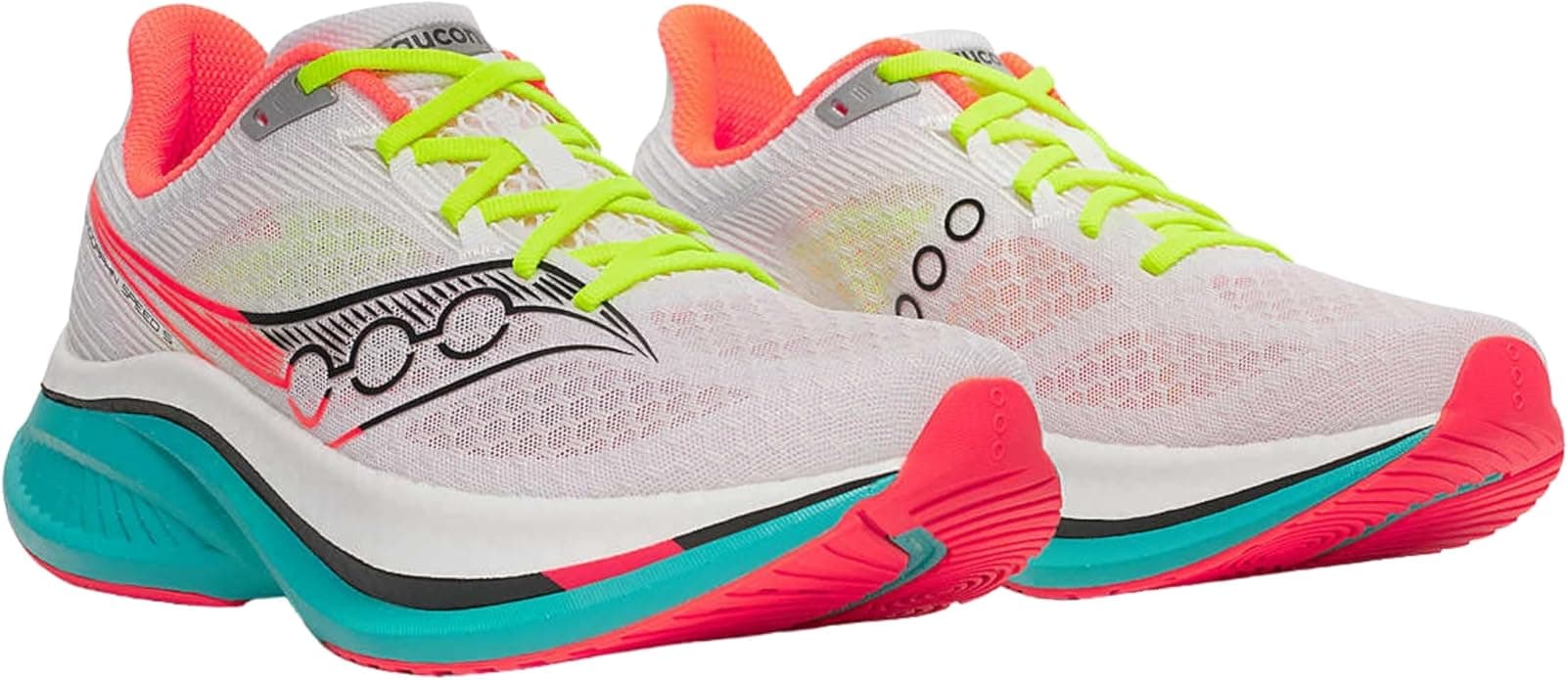
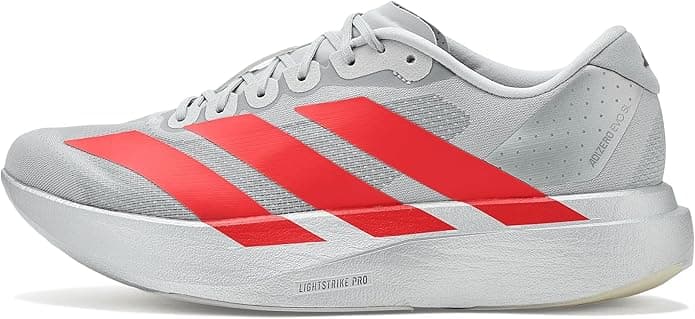
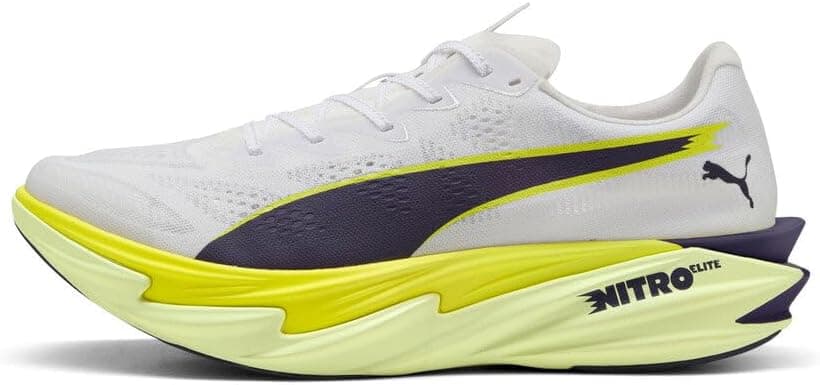
Not quite the right fit? Here are some shoes worth comparing.
Frequently Asked Questions
For most neutral runners, yes — with caveats. It handles a wide range of training paces, and Road Trail Run suggests it can double as a marathon race shoe for runners targeting around 3:30 or slower. For faster marathoners or those logging very high easy-mile volume, the moderate stack height and firm plate may make it better suited as a workout and tempo shoe paired with a dedicated long-run trainer.
The v4 is lighter (approximately 15–22 g depending on size), has a wider and more comfortable upper, uses a softer PEBA-based top foam layer, and reduces the drop from 10 mm to 8 mm. Most reviewers consider it a meaningful upgrade in comfort and versatility, though the Deviate Nitro 3 is described as slightly more responsive off the road due to its firmer, stiffer setup — which some runners may prefer for pure tempo use.
It has a carbon composite PWRPLATE, which is full-length but not made of pure carbon fiber. Reviewers consistently note this makes the shoe more forgiving on easy runs than a pure-carbon racer while still providing a snappy, propulsive toe-off at faster paces. The tradeoff is that the plate is very stiff — a potential issue for runners whose biomechanics don't align with the shoe's forefoot rocker geometry.
Generally not. RunRepeat lab measurements place the toebox at 70.6 mm and the midfoot at 93.8 mm — solidly performance-snug. Doctors of Running noted that the midfoot platform is narrower than the upper, causing some medial overhang. Puma did widen the shoe relative to previous versions, so prior Deviate owners with slightly wider feet may find the v4 acceptable, but runners with genuinely wide feet are consistently directed toward other options.
Excellent, and it is one of the shoe's most consistently praised attributes. The PUMAGRIP outsole compound is described by RunRepeat as one of the best currently available, performing reliably on wet roads, slick surfaces, and mixed-condition runs. Multiple reviewers specifically tested it in rain and reported no slipping issues even on sharp turns.
Yes, across all major review sources, the shoe is consistently reported as true to size. The updated upper offers more midfoot volume than prior Deviate versions, so runners who sized up in previous iterations may want to try their true size in the v4 first.
Key Sources
Puma (Official Product Page) — https://us.puma.com/us/en/pd/deviate-nitro-4-mens-road-running-shoes/312123
Doctors of Running — https://www.doctorsofrunning.com/2026/01/puma-deviate-nitro-4-review-2026.html
Believe in the Run — https://believeintherun.com/shoe-reviews/puma-deviate-nitro-4-review/
Road Trail Run (Multi-Tester) — https://www.roadtrailrun.com/2026/01/puma-running-deviate-4-multi-tester.html
The Run Testers — https://theruntesters.com/puma-deviate-nitro-4-review/
RunRepeat — https://runrepeat.com/puma-deviate-nitro-4
Running Warehouse — https://www.runningwarehouse.com/reviews/puma-shoe-reviews/puma-deviate-nitro-4.html
Canadian Running Magazine — https://runningmagazine.ca/sections/gear/shoe-review-puma-deviate-nitro-4/
Fordy Runs — https://www.fordyruns.com/post/puma-deviate-nitro-4-review
Run to the Finish — https://runtothefinish.com/puma-deviate-nitro-4-review/
iRun Singapore — https://irunsg.com/blogs/product-reviews/puma-deviate-nitro-4
Reddit / r/RunningShoeGeeks — https://www.reddit.com/r/RunningShoeGeeks/comments/1qctiph/another_puma_deviate_nitro_4_review/