
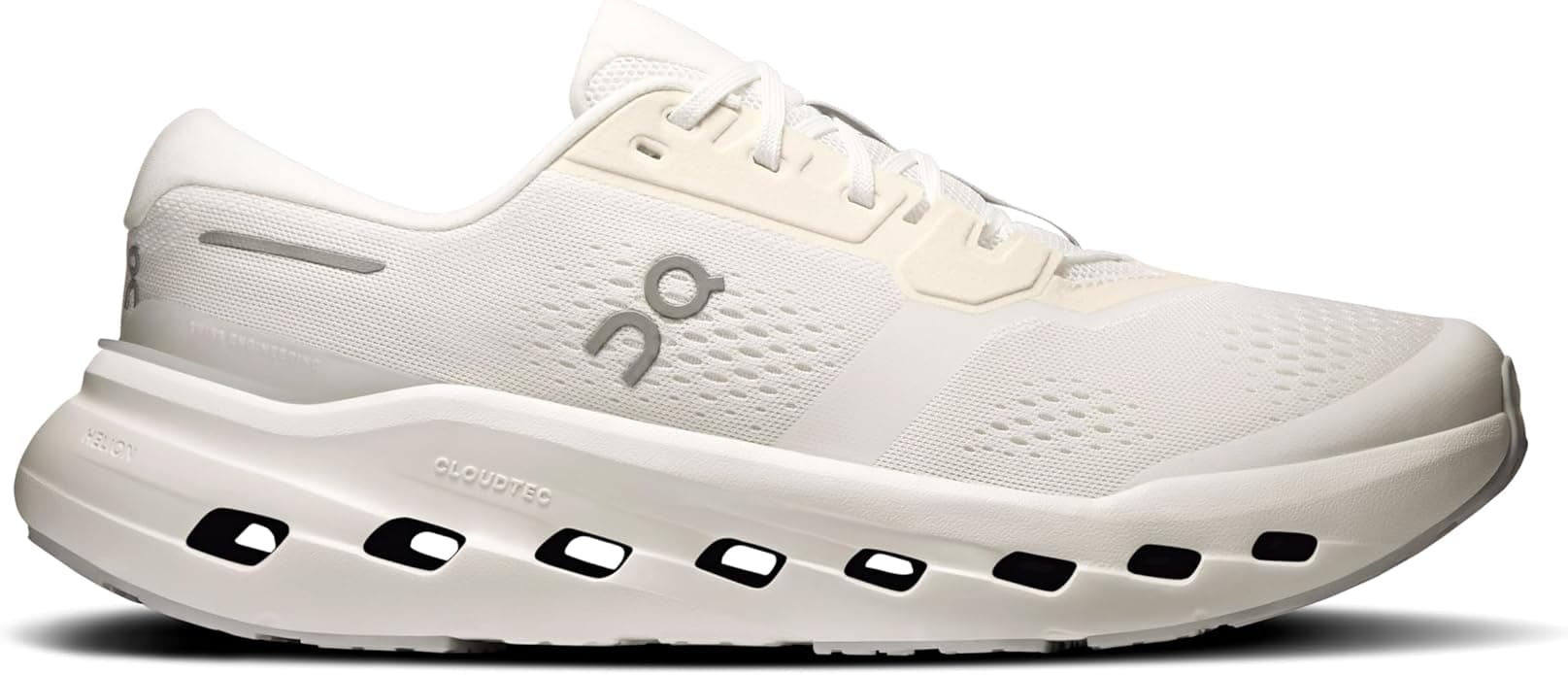


On Cloudrunner 3 Review
An unbiased look at what reviewers and runners are saying.
Disclaimer: AI was used to help provide an unbiased perspective on this topic, and all content was carefully fact-checked and edited by human running-shoe analysts. It reflects aggregated opinions from reviewers and runners and does not represent firsthand testing. Learn more →
Overview & Quick Verdict
The On Cloudrunner 3 is the Swiss brand's third iteration of its stability-focused daily trainer, arriving in February 2026 with a redesigned upper, smaller CloudTec pods, higher sidewalls, and a revised heel geometry. It occupies a clear lane in On's lineup: a mild-to-moderate stability shoe built for easy miles, all-day comfort, and reliable rearfoot guidance — not speed.
Across the broad reviewer ecosystem, the upper earns near-universal praise and the stability platform is widely respected. The midsole, however, is the consistent flashpoint. Multiple lab sources record low energy return figures for the Helion foam, and reviewers who run faster than conversational pace describe a firm, flat-feeling ride that falls short of modern daily trainer standards. The shoe's weight — heavy relative to its 31mm stack — amplifies these concerns for performance-minded runners.
Where the consensus fractures most sharply is in how reviewers define "success." Sources that evaluate the Cloudrunner 3 on its own terms — as a stable, walkable, easy-pace workhorse — tend to recommend it. Sources that benchmark it against the broader 2026 daily trainer market, where lighter and bouncier foams have become the norm, find it harder to justify at $160.
Key Stats
- Brand: On
- Model: Cloudrunner 3
- Category: Mild-to-moderate stability daily trainer
- Terrain: Road / pavement
- MSRP: $160 USD / £140 GBP
- Weight: ~10.4–10.5 oz / 295–299g (men's US 9); ~8.8 oz / 249g (women's US 7)
- Stack Height: 31 mm heel / 23 mm forefoot (official); 35.3–36.8 mm heel / 29.8-28.7 mm forefoot (lab-measured)
- Drop: 8 mm (reduced from 10 mm on Cloudrunner 2)
Note on specs: Lab-measured stack heights from RunRepeat and RTINGS run 5–6mm higher than On's official figures at both heel and forefoot — a common disparity between brand specs and measurements taken with the insole included. The 8mm drop figure is consistent across nearly all sources; RTINGS recorded an anomalous 5.5mm lab measurement that has not been replicated elsewhere.
Best For / Not Ideal For
Best For
- Runners wanting mild-to-moderate stability without a heavy, clinical-feeling shoe
- Easy-pace and base-building daily mileage at conversational effort
- Beginners or returning runners who value a predictable, confidence-inspiring ride
- Mild overpronators who don't need full motion-control features
- People who want one shoe for running, walking, standing, and all-day wear
- Runners with slightly wider feet or higher volume who find many performance uppers restrictive
Not Ideal For
- Runners seeking a soft, plush, high-energy-return midsole
- Tempo runs, interval work, or racing of any distance
- Runners highly sensitive to heavier shoe weight
- Those switching from the Cloudrunner 2 who relied on its higher 10mm drop
- Heavier runners needing deep, resilient cushioning for long distances
Pros
- Premium upper quality. Reviewers across virtually every source describe the engineered mesh upper as one of the Cloudrunner 3's genuine standout features — soft, breathable, and plush at the heel and tongue without sacrificing structure.
- Effective, non-intrusive stability. The combination of asymmetric heel clip, raised sidewalls, wide base, and sole flaring delivers consistent rearfoot guidance that reviewers describe as reassuring rather than corrective or restrictive.
- Smooth heel-to-toe transitions. The posterior lateral heel bevel and well-balanced rocker geometry are broadly praised for rolling the foot forward predictably, particularly for heel strikers at easy paces.
- Significantly improved outsole. The full rubber coverage outsole addresses a long-standing criticism of the series — prior generations exposed foam in the midfoot, making them slippery on wet surfaces and prone to collecting debris. Reviewers consistently call the new outsole a meaningful upgrade in grip and durability.
- Excellent walking and all-day versatility. Clinical reviewers, retail testers, and independent runners alike highlight how well this shoe performs off the run — for standing in clinics, all-day errands, or casual wear — making the price easier to justify.
- Accommodating fit volume. The slightly wider midfoot, toe box, and higher-volume last make the Cloudrunner 3 a genuinely good option for runners who find most performance trainers too narrow or low-volume.
- Sustainability credentials. The 100% recycled polyester upper is a genuine material choice, not just a marketing note, and is consistent with On's broader material direction.
Cons
- Firm, low-energy-return midsole. This is the most consistent criticism across the entire reviewer ecosystem. RunRepeat lab testing measured just 53–57% energy return for the Helion foam, and field reviewers from Believe in the Run, RTINGS, and Boulder Gear Lab independently describe the ride as flat, dull, or lacking the bounce expected from a modern daily trainer.
- Heavy for its stack and price point. At ~10.4–10.5 oz in a men's US 9, the Cloudrunner 3 is notably heavier than most competitors at a comparable stack height — a gap that becomes more apparent as pace increases. Doctors of Running explicitly flagged the weight-to-stack ratio as a weakness.
- Not suited for anything beyond easy pace. Multiple sources agree this shoe should not be the choice for tempo work, intervals, or any session where responsiveness and ground feel matter. PR Run & Walk's verdict — "Speed Work: Skip it. Seriously." — is representative of the field.
- Drop reduction may affect some existing users. The move from 10mm to 8mm is small in absolute terms, but Flawless Shoe Reviews and PR Run & Walk both noted it as a meaningful change for runners who specifically chose the Cloudrunner 2 for its higher drop, particularly those managing Achilles load.
- Cushioning can feel thin under load. RTINGS and RunToTheFinish note that the CloudTec pod geometry, while functional, creates a firmer effective cushioning experience than the stack height alone would suggest — a potential issue for heavier runners or those logging longer distances.
- Lower toe box height. RunRepeat's lab measured 25.2mm of vertical toe box clearance, below the average for daily trainers, which may be a consideration for runners with higher toe profiles despite the generous horizontal width.
Ride & Feel
The Cloudrunner 3's ride character is defined by two things that pull in opposite directions: a well-engineered rocker geometry that produces smooth, predictable transitions, and a Helion foam midsole that most technical reviewers describe as firm and low-bounce. The result is a shoe that feels planted, stable, and controlled — but not springy or energizing in the way that has become the norm for daily trainers at this price.
At easy paces, the ride is functional and comfortable. The heel lands with the assist of a posterior lateral bevel, rolls through a decoupled midsole, and exits via a smooth forefoot geometry. Doctors of Running describe the transitions as "well-balanced and not overly sharp." The issue most reviewers surface is what the shoe doesn't do: it doesn't return energy meaningfully, doesn't reward faster running, and doesn't create the sensation of effortlessness that softer modern foams produce.
One notable dissenting view comes from Alastair Running, who describes the Cloudrunner 3 as "softer underfoot" relative to prior versions and a "much better running shoe overall." This likely reflects a comparison baseline anchored to the older Cloudrunner series rather than the broader daily trainer market — a reminder that "softer" is always relative, and runners transitioning from the original Cloudrunner may have a more positive experience than those coming from PEBA-foam trainers.
Fit & Comfort
Sizing is consistently reported as true to size across all available sources, with no meaningful pattern of running long or short. The last offers a slightly higher volume than typical On performance shoes — wider through the midfoot and forefoot, with a roomier toe box — which makes it a better fit for runners who find standard On lasts too narrow. Doctors of Running specifically praised the upper as "one of the best uppers in recent history" for accommodating wider feet without sacrificing a secure hold.
The plush padded heel collar and tongue are among the shoe's most praised features for step-in comfort, with Road Trail Run describing "immediately comfortable sensations that make you want to keep these on your feet." Fleet Feet's team noted a "bucket seat" effect from the raised sidewalls — the foot sits inside the cushioning rather than on top of it — which creates a sense of security that translates well to walking and standing as much as to running.
Believe in the Run raised the counterpoint that the abundant padding, while comfortable for some, contributes to the shoe's weight and can feel blocky or constrictive depending on the runner's foot shape. This is a minority view in the available coverage but worth noting for runners who prefer a lighter, more streamlined fit experience.
Support & Stability
The Cloudrunner 3's stability system is built around rearfoot guidance rather than full medial posting, and it executes that goal effectively. The asymmetric heel clip — stronger on the medial side — works alongside the elevated sidewalls, substantial sole flaring, and wide platform to guide the heel forward and resist lateral collapse. Doctors of Running classify it as mild-to-moderate stability with rearfoot emphasis; On and RTINGS describe it as a clearly stable shoe with a very high lateral stability score.
The key nuance, consistent across multiple expert sources, is that stability tapers significantly through the midfoot and forefoot. Runners who need guidance through the entire footstrike cycle — particularly those with midfoot or forefoot pronation patterns — may find the Cloudrunner 3 provides less support than a traditional full-length medial post shoe like the Brooks Adrenaline or ASICS GT-2000. For rearfoot-heavy heel strikers who need moderate guidance, it lands in a sweet spot.
One niche clinical use case surfaced by Flawless Physio is worth mentioning: the stiffer forefoot and rocker geometry may benefit runners managing hallux rigidus or forefoot stiffness, as the design offloads the big toe joint during push-off. This is a single-source observation and shouldn't be treated as broadly validated, but it aligns logically with the shoe's mechanical profile.
Traction & Durability
The full rubber outsole redesign is one of the clearest generational improvements in the Cloudrunner 3. Prior versions of the shoe left foam exposed in the midfoot — a design that drew complaints about slipping on wet tiles and collecting small stones mid-run. The new layout closes those gaps, and reviewers across multiple sources report confident grip on wet pavement and hold-up well through 60+ mile test periods. PR Run & Walk describe their test pair as looking "brand new" at 60 miles and project 400-mile lifespan.
The rubber compound concentrates coverage at the heel and forefoot — the highest-wear zones — while the redesigned CloudTec pod arrangement in the midfoot tightens the gaps that previously trapped debris. RunRepeat's lab recorded a 0.68 traction score, which they describe as a meaningful upgrade over the previous generation and sufficient for rainy-day road running. Early long-term wear data is limited, but initial indicators suggest this is a durable shoe for its category.
Energy Return & Performance
This is where the Cloudrunner 3 falls furthest behind modern daily trainer competitors. RunRepeat's lab measured 53.2% energy return in the heel and 57.0% in the forefoot — figures that place the Helion foam among the lower performers in the current daily trainer market and well below PEBA-based foams now appearing across the category at similar price points. RunRepeat specifically characterized this as 2021-era foam in a 2026 shoe.
For easy runs and walking, the low energy return is largely imperceptible — the shoe feels adequate and protective. The issue surfaces at moderate-to-faster efforts, where the absence of midsole pop becomes a noticeable friction point. Believe in the Run's reviewers described the experience of faster running as "uncomfortably firm," and multiple sources draw a consistent performance ceiling around conversational/easy pace. The Cloudrunner 3 is not a versatile trainer in the way that many $160 shoes now aspire to be — it does one thing well and is honest about its limitations, but those limitations are real.
Final Verdict
The On Cloudrunner 3 is a well-executed shoe within a clearly defined and increasingly narrow lane. Its upper is genuinely excellent — among the best in its class by multiple independent assessments — and the stability platform is effective, modern-feeling, and non-intrusive. For runners who want a guided, predictable easy-day trainer that doubles as a comfortable walking and all-day shoe, it delivers what it promises.
The honest qualification is that $160 now buys considerably more midsole performance from competing brands. The Helion foam's energy return numbers are low by current standards, the shoe runs heavy for its stack, and pace versatility is limited to easy efforts. For runners who know exactly what they want and this fits — stability, comfort, durability, and style over bounce and speed — the Cloudrunner 3 earns its place. For runners still deciding, it's worth comparing directly against current options from ASICS, Saucony, and Brooks before committing.
Alternatives to Consider
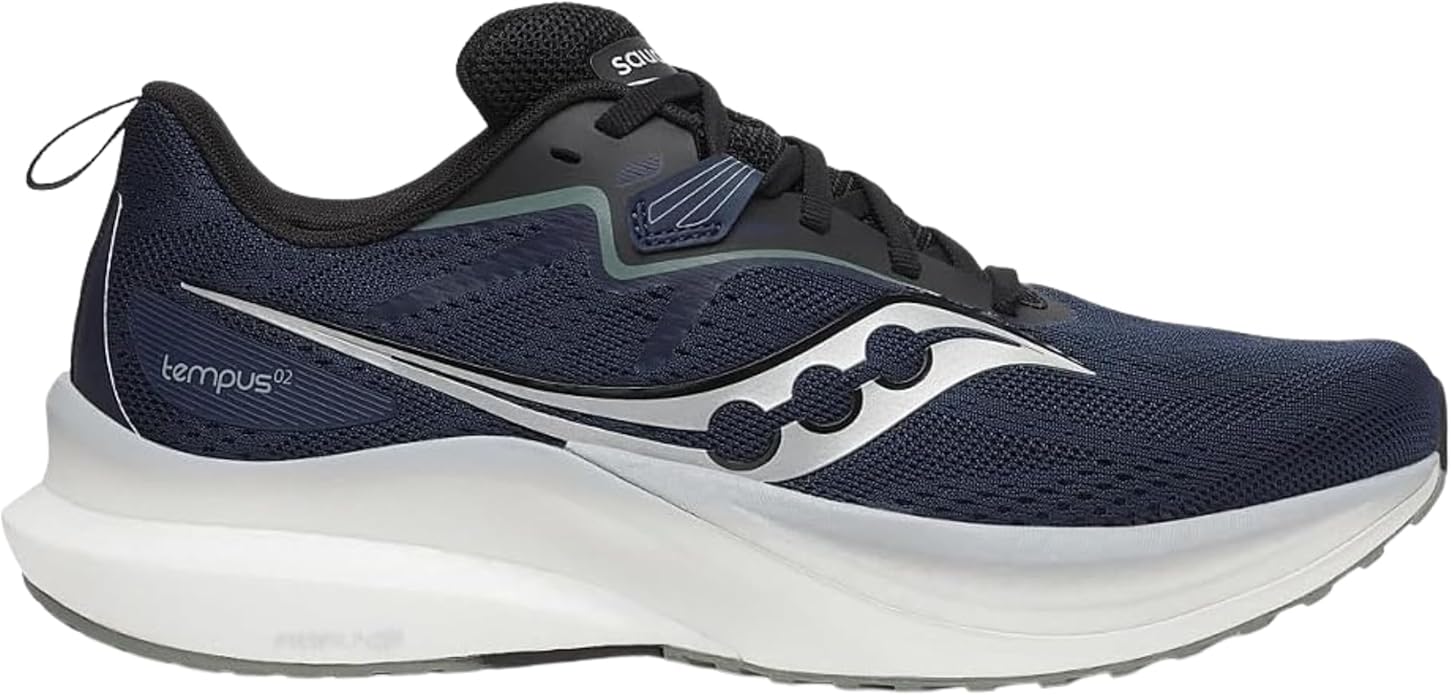
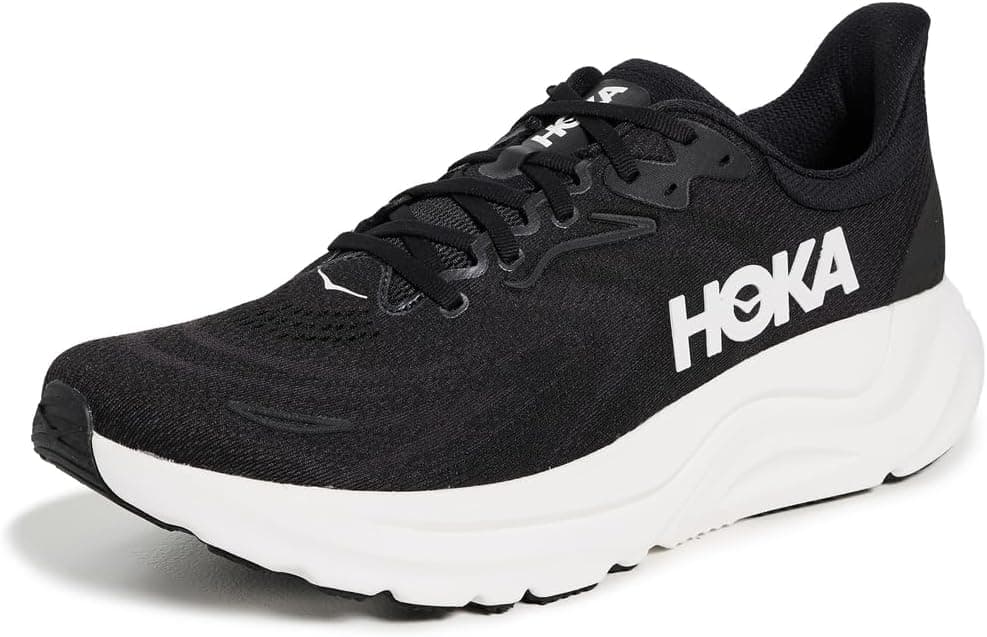
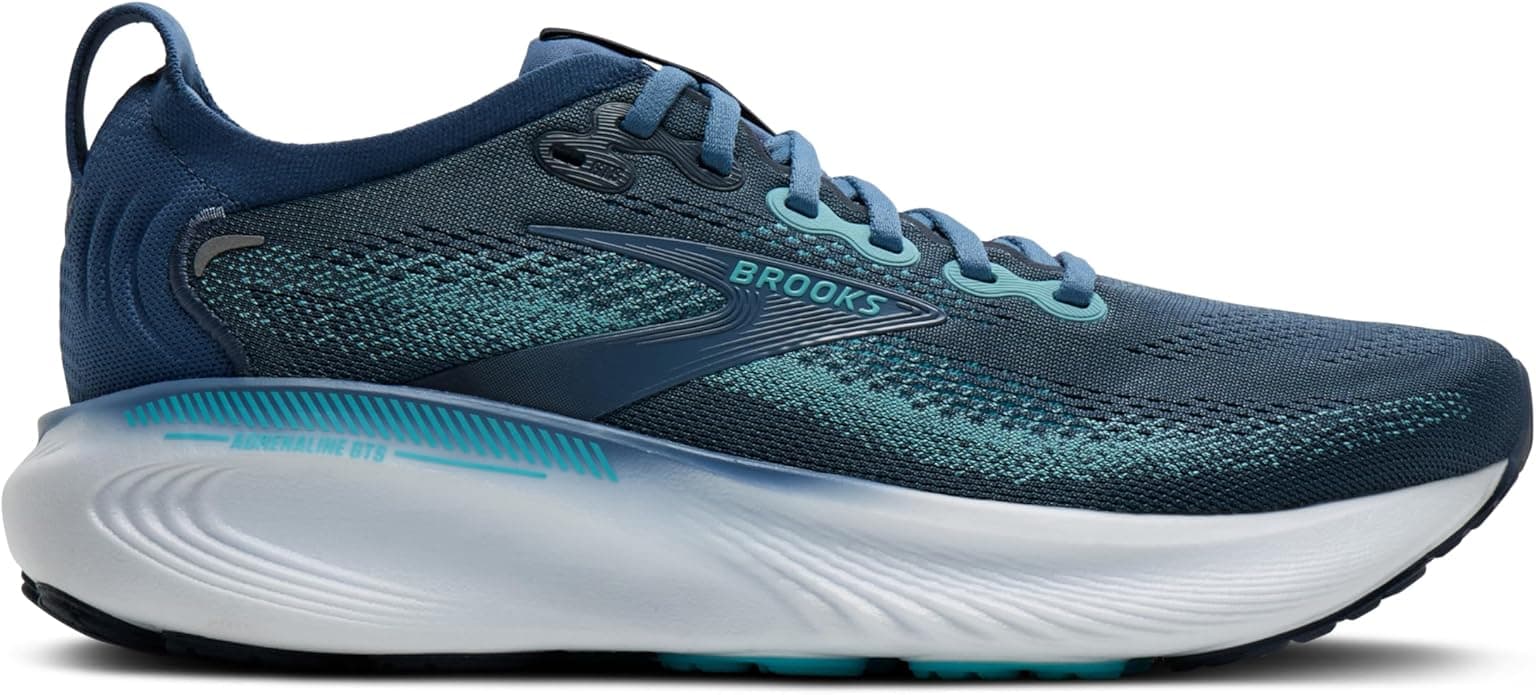
Not quite the right fit? Here are some shoes worth comparing.
Frequently Asked Questions
Yes, it's a strong choice for beginner runners. Its mild-to-moderate stability, predictable transitions, plush upper, and forgiving geometry make it easy to run in correctly without feeling like the shoe is fighting your stride. Multiple reviewers and retailers specifically recommend it for new runners who want guidance and confidence without a heavy, corrective feel.
No. The Cloudrunner 3 is a non-plated daily trainer. Its stability comes from structural features — an asymmetric heel clip, raised sidewalls, a wide base, and sole flaring — rather than any embedded plate. This keeps the ride compliant and the shoe firmly in the everyday trainer category.
The Cloudrunner 3 features a new upper with more padding and a slimmer tongue, smaller and more angular CloudTec pods, higher sidewalls, a steeper heel rocker, and a drop reduction from 10mm to 8mm. The outsole is also fully redesigned with complete rubber coverage, eliminating the exposed foam sections that drew criticism on earlier models. It's notably heavier than the Cloudrunner 2 — approximately 34g more in men's sizing.
Yes, and this is one of the most consistent recommendations across reviewer sources. The rocker geometry, wide stable base, plush upper, and firm-but-protective midsole all translate well to extended standing and walking. Doctors of Running specifically noted wearing it daily in a clinical setting, and several reviewers described it as one of On's best lifestyle-crossover shoes.
Yes. All available sources report true-to-size fit. The last runs slightly higher volume than On's typical performance shoes — wider through the midfoot and forefoot — which works well for runners who find standard On fits too narrow. No sources recommend sizing up or down.
For mild overpronation, yes — particularly if your pronation pattern is rearfoot-dominant. The asymmetric heel clip, sidewall structure, and wide platform guide the heel effectively. Runners with moderate-to-severe overpronation, or those who pronate through the midfoot and forefoot, may find the guidance insufficient and may want to consider a full medial-post stability shoe instead.
Key Sources
Doctors of Running — https://www.doctorsofrunning.com/2026/01/on-cloudrunner-3-review-2026.html
Believe in the Run — https://believeintherun.com/shoe-reviews/on-cloudrunner-3-review/
RunRepeat — https://runrepeat.com/on-cloudrunner-3
Road Trail Run — https://www.roadtrailrun.com/2026/02/on-cloudrunner-review-4-comparison.html
Fleet Feet — https://www.fleetfeet.com/blog/on-cloudrunner-3-review-confidence-from-start-to-finish
Running.Reviews — https://running.reviews/blogs/shoes/on-cloudrunner-3-review
RTINGS — https://www.rtings.com/running-shoes/reviews/on/cloudrunner-3
Boulder Gear Lab — https://www.bouldergearlab.com/reviews/2026/02/21/on-cloudrunner-3-review/
PR Run & Walk — https://prrunandwalk.com/blogs/news/on-cloudrunner-3-review
Flawless Shoe Reviews — https://flawlessshoereviews.com/on-cloud-shoes/on-cloudrunner-3-review/
The Running Well Store — https://therunningwellstore.com/blogs/blogs/on-cloudrunner-3-review
Run & Become — https://www.runandbecome.com/running-product-reviews/shoes/on-cloudrunner-stability
Alastair Running — https://www.alastairrunning.com/on-cloudrunner-3-review/
Running Warehouse — https://www.runningwarehouse.com/On_Cloudrunner_3/descpage-ONCR3M2.html