
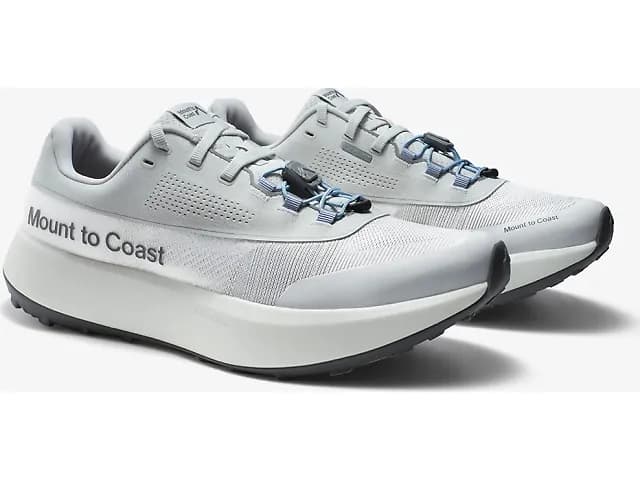


Mount to Coast H1 Review
An aggregated overview based on reviewer and runner feedback.
Disclaimer: AI was used to help provide an unbiased perspective on this topic, and all content was carefully fact-checked and edited by human running-shoe analysts. This reflects collected opinions and does not represent firsthand testing. Learn more →
Overview & Quick Verdict
The Mount to Coast H1 generated significant buzz in the running community shortly after its release, due both to the brand’s unusual origin story and early durability claims. Mount to Coast entered the running shoe market around 2023–2024 with a focus on ultramarathon durability, and the H1 extends that philosophy into a road-to-trail hybrid trainer.
Early credibility came from high-profile real-world usage, including reports that ultrarunner Jamil Coury logged over 600 miles in a single pair during a major challenge. That durability narrative helped the shoe attract attention before many reviewers even tested it.
Across most reviewers, the overall consensus is clear: the H1 successfully delivers a lightweight, energetic hybrid shoe capable of handling mixed surfaces such as pavement, gravel, and light trail. Where feedback begins to diverge is around the shoe’s fit adjustments and its limitations when terrain becomes more technical or muddy.
Key Stats
- Brand: Mount to Coast
- Model: H1
- Category: Neutral road-to-trail hybrid / gravel trainer
- Terrain: Road, gravel, hard-packed dirt, light trail
- MSRP: $160
- Weight: ~8.5 oz (men’s size 9)
- Stack Height: 35 mm heel / 29 mm forefoot
- Drop: 6 mm
Best For / Not Ideal For
Best for
- Runners whose routes combine pavement, gravel, and light singletrack
- Long-distance runners prioritizing durability and comfort
- Athletes wanting one versatile shoe for mixed-surface training
Not ideal for
- Wide-footed runners
- Runners needing aggressive traction for technical trails
- Those wanting ultra-soft, max-cushioned recovery shoes
Pros
- CircleCELL midsole delivers surprising responsiveness
- Very light for a road-to-trail hybrid
- VersaGrip outsole performs well across mixed surfaces
- Exceptional durability reported by long-term testers
- TunedFit dual lacing allows targeted fit adjustments
- Attractive design that works for travel or casual wear
Cons
- Fit can be difficult to dial in for some runners
- Shallow 2 mm lugs limit technical trail capability
- Dual lacing system adds complexity for everyday use
Ride & Feel
Most reviewers highlight the H1’s ride as one of its strongest characteristics. The CircleCELL midsole—made partly from renewable organic feedstock—surprises many testers by providing noticeable bounce and energy return.
Rather than feeling overly soft or mushy, the cushioning strikes a balance between responsiveness and durability. Several reviewers note that the shoe feels livelier than many sustainability-focused foams typically found in eco-oriented footwear.
The shoe also features a rocker geometry with pronounced toe spring and a slight heel bevel. Together, these design elements promote smooth forward transitions and a rolling stride across a wide range of paces.
On gravel and hard-packed dirt, testers frequently describe the ride as fluid and efficient, especially over longer distances where consistent cushioning becomes important.
Fit & Comfort
Fit feedback generally lands at true to size, but the shoe has a distinctive shape. The toe box is relatively roomy, while the midfoot is more sculpted and narrow.
Runners with average-width feet typically adapt quickly to the fit. However, runners at either end of the width spectrum—very narrow or very wide—sometimes report difficulty achieving ideal lockdown.
The TunedFit dual lacing system is designed to address these issues by allowing independent adjustment of the forefoot and upper sections. Some runners appreciate the customization, particularly during long runs when feet swell. Others find the system unnecessarily complicated for everyday use.
Once properly adjusted, the upper receives positive feedback for comfort. The heel collar and tongue provide ample padding, and the upper materials feel premium relative to the shoe’s price.
Support & Stability
The H1 is a neutral shoe without built-in pronation support, but reviewers rarely describe it as unstable. The structured heel counter and reinforced upper components provide lateral support that helps stabilize the foot during transitions between road and trail.
Some reviewers note that a rigid reinforcement wrapping around the heel area contributes additional stability without significantly increasing weight.
However, the shoe lacks a rock plate and does not provide substantial underfoot protection on sharp rocks or aggressive terrain. When routes become steep, rocky, or technical, the shoe begins to feel less protective than dedicated trail models.
Traction & Durability
Traction performance depends heavily on terrain type. On road, gravel, and hard-packed trails, the VersaGrip outsole earns consistent praise for reliable grip.
The shallow 2 mm lugs perform well on firm surfaces and transition smoothly onto pavement without feeling awkward. Wet pavement performance also receives generally positive feedback.
However, the shoe struggles on loose, muddy, or rocky trails where deeper lugs are typically required. Most reviewers view this as an expected limitation rather than a flaw, since the shoe is designed primarily for gravel and light trail running.
Durability is one of the H1’s most frequently praised features. Many long-term testers report minimal outsole wear after 200–300 miles, and the midsole maintains its cushioning characteristics longer than many comparable hybrid trainers.
Energy Return & Performance
The CircleCELL foam serves as the central performance feature of the H1. Reviewers typically describe the midsole as moderately bouncy, offering a noticeable level of responsiveness without requiring aggressive racing mechanics.
Some testers even compare the foam favorably to performance foams like PEBA, noting that it performs above the typical standard for sustainable midsole materials.
However, the shoe is not designed for high-intensity racing or interval training. Without a plate or aggressive propulsion features, it performs best during steady runs, long efforts, and varied pace workouts rather than all-out speed sessions.
Conclusion
The Mount to Coast H1 emerges as one of the stronger entries in the growing road-to-trail hybrid category. Its lightweight design, durable construction, and energetic CircleCELL midsole make it a versatile option for runners whose routes include a mix of pavement, gravel, and light trails.
Fit adjustments may require some experimentation, and the shallow lug design limits performance on technical terrain. However, runners who understand those boundaries often find the H1 to be a highly capable and durable hybrid trainer.
For mixed-surface runners seeking a lightweight, long-lasting shoe that can handle most everyday routes, the Mount to Coast H1 offers a compelling and distinctive option.
Alternatives to Consider
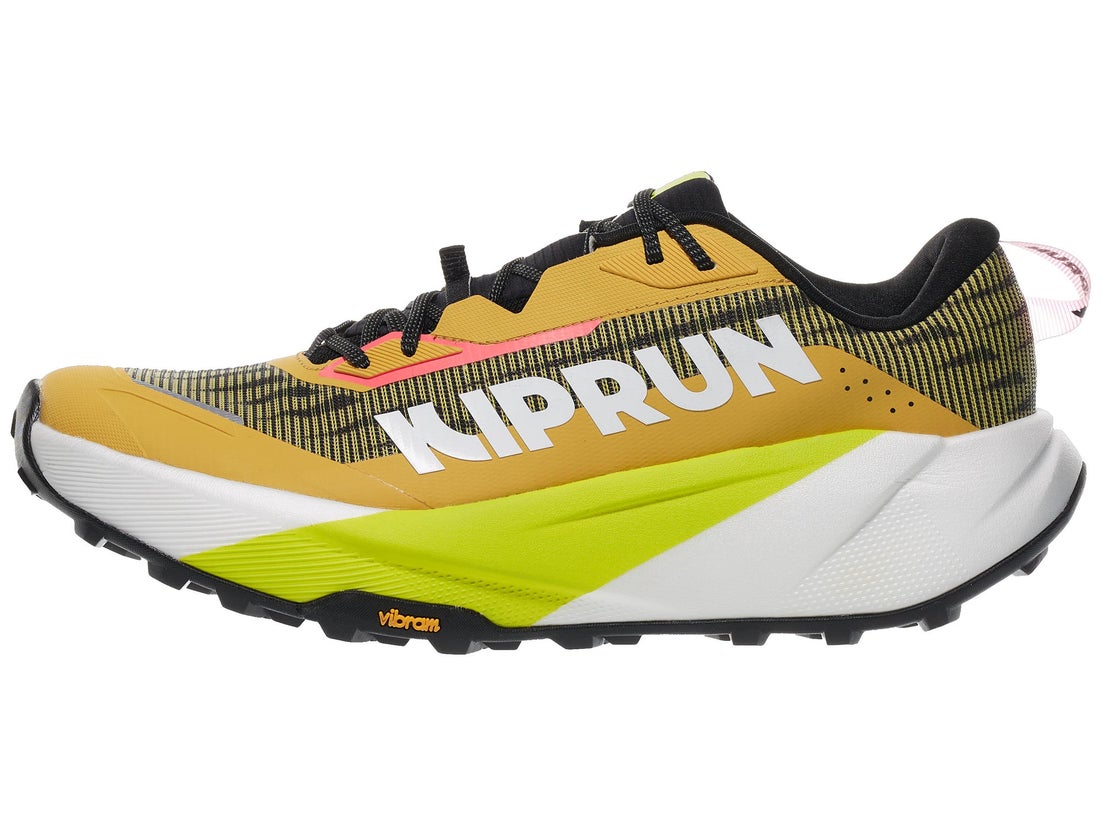
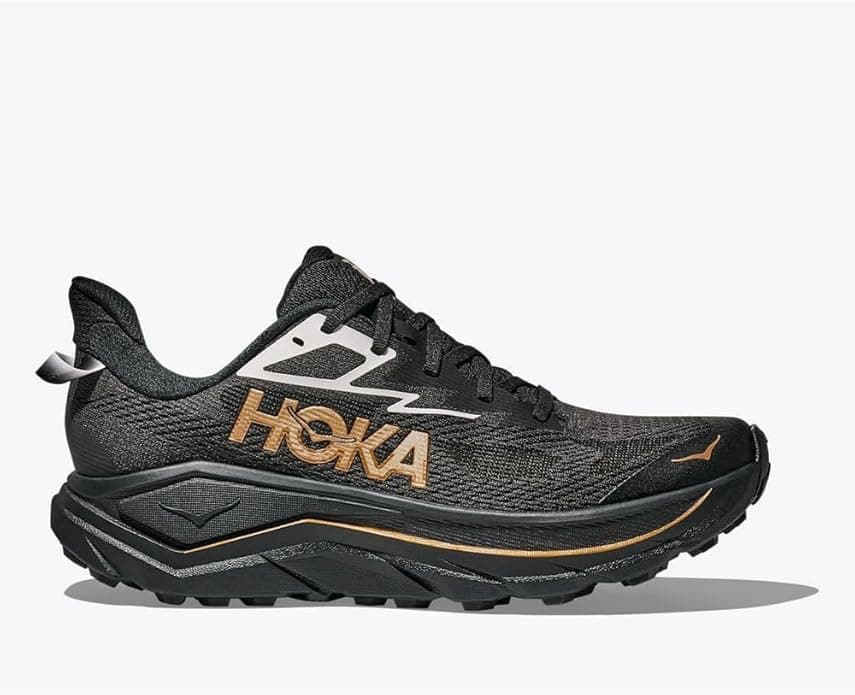
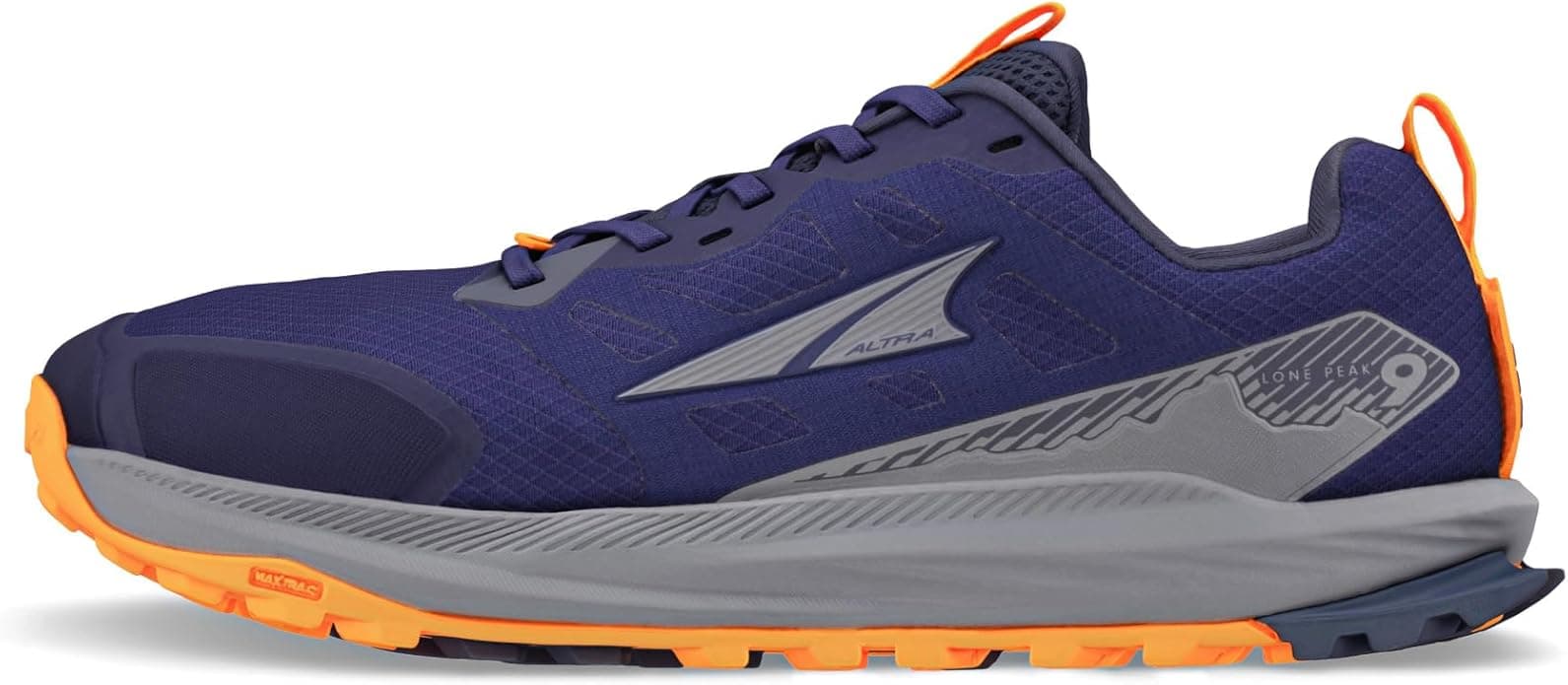
Not quite the right fit? Here are some shoes worth comparing.
Frequently Asked Questions
Mount to Coast designed the H1 with ultramarathon durability in mind, and reviewers note it holds up well over long mileage. The CircleCELL foam and VersaGrip outsole are intended for extended use on mixed surfaces.
The TunedFit system uses two separate lacing zones to let runners independently customize fit across the forefoot and midfoot. This helps prevent pressure points on longer efforts without sacrificing heel lockdown.
The H1 is offered in standard width and reviewers generally describe the fit as accommodating rather than narrow. Runners with particularly wide feet may want to try before committing.
The VersaGrip outsole is designed for road-to-trail use and handles moderate terrain well. It is not built for highly technical or wet trail conditions.
Yes — the H1 is positioned as a versatile daily trainer for runners covering mixed-surface routes. It is heavier than dedicated road trainers but more capable than most pure-road shoes on softer surfaces.
Key Sources
Doctors of Running — https://www.doctorsofrunning.com/2025/10/mount-to-coast-h1-review-2025.html
RunRepeat — https://runrepeat.com/mount-to-coast-h-1
Believe in the Run — https://believeintherun.com/shoe-reviews/mount-to-coast-h1-review/
Road Trail Run — https://www.roadtrailrun.com/2025/09/mount-to-coast-h1-multi-tester-review.html
Running Warehouse — https://www.runningwarehouse.com/reviews/mount-to-coast-shoe-reviews/mount-to-coast-h1.html
Better Trail — https://bettertrail.com/outdoor-gear/mount-to-coast-h1-trail-running-shoe-review
Outside Run — https://run.outsideonline.com/gear/mount-to-coast-h1-review/
Run to the Finish — https://runtothefinish.com/mount-to-coast-h1-review/
Alastair Running — https://www.alastairrunning.com/mount-to-coast-h1-review/
WeeViews — https://www.weeviews.com/reviews/4231/mount-to-coast-h1
Reddit Aggregated Community Feedback — https://redditrecs.com/trail-running-shoes/model/mount-to-coast-h1/