

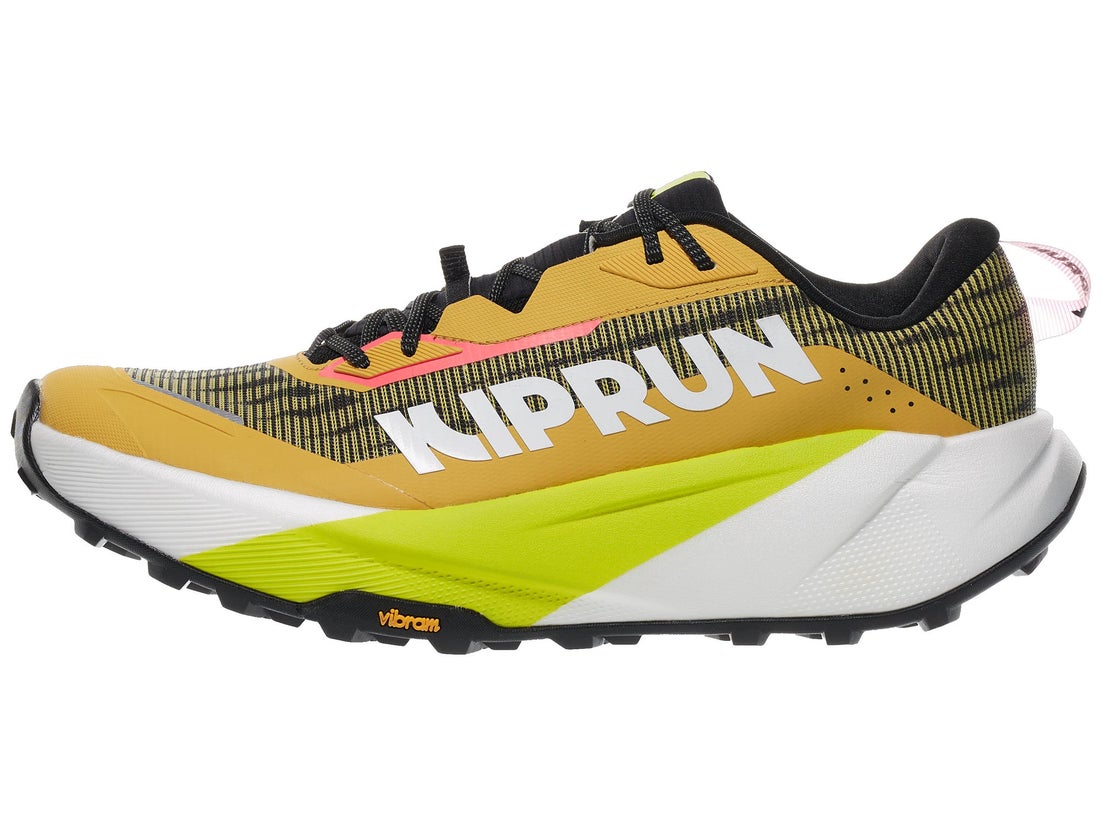
Kiprun Kipsummit Max Review
An aggregated overview based on reviewer and runner feedback.
Disclaimer: AI was used to help provide an unbiased perspective on this topic, and all content was carefully fact-checked and edited by human running-shoe analysts. It reflects aggregated opinions from reviewers and runners and does not represent firsthand testing. Learn more →
Overview & Quick Verdict
The Kiprun Kipsummit Max is Decathlon's flagship trail shoe for the US market, launched in April 2026 as the most prominent statement in the brand's international push. Built around a full-length Fastech+ supercritical A-TPU midsole, a Vibram Megagrip outsole, and a pronounced rocker geometry, it targets the long-distance trail and ultra-marathon segment at $150 — undercutting most direct rivals by $30 to $80.
Lab testing and long-form field reviews converge on the same headline: the midsole is genuinely exceptional for the price. RunRepeat's lab recorded energy return figures of 71.7% (heel) and 73.8% (forefoot), numbers the lab notes it has only encountered in a handful of trail shoes, all more expensive. iRunFar's tester logged 300 miles before filing their review and reported the foam still feeling lively and protective. The performance-to-price argument is real and well-supported.
The caveats are equally consistent across sources. The fit is snug and tapered — a dealbreaker for wider-footed runners — the upper runs warm, and the shoe is not engineered for the most technical terrain or aggressive pacing. Match it to the right runner and the right terrain, and the Kipsummit Max is one of the most compelling trail shoe launches of 2026.
Key Stats
- Brand: Kiprun (Decathlon)
- Model: Kipsummit Max
- Category: Max-cushion trail / neutral maximal trail running shoe
- Terrain: Trail — optimized for long-distance, non-technical to moderately technical
- MSRP: $150
- Weight: 9.4 oz official spec; independently measured between 9.7–10.1 oz (men's US 9)
- Stack Height: 38.5 mm heel / 32.5 mm forefoot (brand spec); 35.5 mm heel / 27.4 mm forefoot (RunRepeat lab)
- Drop: 6 mm stated; 8.1 mm measured (RunRepeat lab — single source)
Best For / Not Ideal For
Best For
- Ultra and long-distance trail runners prioritizing sustained comfort over pace
- Runners with narrow to medium-width feet who want a locked-in, secure fit
- Heel strikers who benefit from a pronounced rocker and generous heel bevel
- Value-focused runners who want supercritical A-TPU foam and Vibram Megagrip below $200
- High-mileage training on hard-packed singletrack, gravel, and moderately rocky terrain
- Runners looking for a durable, premium-foam daily trail trainer without paying super-shoe prices
Not Ideal For
- Wide-footed runners or those who need a high-volume, foot-shaped toe box
- Technical, rocky, or highly variable alpine terrain where ground feel and a rock plate matter
- Hot-weather runners, or those sensitive to a thick, warm upper
Pros
- Lab-verified elite foam at a non-elite price. The Fastech+ A-TPU midsole posts energy return figures of 71.7%/73.8% (heel/forefoot) in RunRepeat's lab — numbers the lab typically only encounters in trail super shoes costing $50–$100 more. Believe in the Run compared the foam character favorably to the Puma Deviate Nitro Elite Trail and Hoka Rocket X Trail.
- Full Vibram Megagrip outsole. Reviewers universally flag full-coverage Megagrip as a meaningful value addition at $150; the 4 mm multi-directional V-lugs provide reliable bite on rock, root, dirt, and loose gravel with a confidence level multiple sources describe as a differentiator for the price.
- Stable for its stack height. The wide platform, bathtub sidewall construction, and A-TPU's firmer rebound create a controlled feel that resists ankle roll better than most high-stack trail shoes — classified as "stable neutral" by Doctors of Running.
- Rocker geometry reduces late-run fatigue. The pronounced heel bevel and rocker guide heel-to-toe transitions efficiently, a benefit that multiple reviewers specifically note becomes more valuable in the back half of long efforts and ultra-distance races.
- Plush without being energy-draining. The foam delivers substantial impact absorption without the sinkage that makes some max-cushion rivals feel sluggish — iRunFar describes it as a shoe that keeps legs fresher deeper into long runs.
- Strong durability signs. iRunFar's 300-mile test found no significant foam degradation; the Vibram outsole and monofilament-reinforced mesh upper project well past 400 miles across multiple reviewer estimates.
Cons
- Narrow, tapered toe box. The forefoot fit is consistently described as snug and low-volume across sources; RunRepeat's gel mold confirmed narrower-than-average measurements, and Believe in the Run and WeeViews both report pinky-toe friction and hot spots for wider-footed testers.
- Upper runs warm and thick. Doctors of Running and Believe in the Run both flag the upper as thicker and less breathable than necessary, a material concern for summer ultras or hot-climate training.
- Stiff upper requires break-in. The structured mesh feels boardy and restrictive out of the box; iRunFar noted it took approximately 20 miles to adequately soften and conform to foot shape.
- Not suited for ectremely technical or highly variable terrain. Doctors of Running explicitly cautions against rocky, unstable ground; the foam's softness — an asset on smooth trails — works against platform stability on jagged or off-camber surfaces, particularly for heavier runners.
- No rock plate. The absence of a protective plate means sharp rock intrusion is possible on technical terrain, a limitation flagged specifically for runners who regularly encounter jagged alpine ground.
- Minor fit and finish quirks. Sizing runs slightly short (most sources advise sizing up half a size); additional complaints include rip tags on the tongue, lace placement unfavorable for power meter users, and a faint chemical smell out of the box.
Ride & Feel
The Fastech+ midsole is the defining element of the shoe, and reviewers largely agree on its character: plush on impact, bouncy through midstance, and smooth at toe-off via the rocker geometry. The foam occupies the supercritical A-TPU category that brands like On and Salomon charge significantly more to access, and field testers from iRunFar, Believe in the Run, and Road Trail Run consistently describe the ride in terms reserved for more expensive shoes.
One genuine discrepancy worth flagging: RunRepeat's durometer testing recorded a firm static hardness reading (43.6 HA), while the majority of subjective reviewers used words like "spongy," "plush," and "ultra-soft." This likely reflects the difference between static hardness and dynamic compression under running load — the practical consensus across field testers is that the ride feels soft and responsive rather than harsh or stiff.
At faster paces, the shoe's limitations become apparent. Multiple reviewers describe the sensation of pushing tempo as brick-like, and the shoe is clearly not engineered for speed work or aggressive trail racing — a deliberate design choice that defines the intended use case rather than a performance deficiency.
Fit & Comfort
Sizing runs slightly short, and both the brand and the majority of reviewers recommend going up half a size, particularly for efforts over 25K where foot swelling is a factor. The toe box is narrow and tapered, creating a locked-in fit for runners with narrower feet while generating friction points and hot spots for those with wider forefeet over longer distances.
The upper provides generous padding around the collar and tongue, creating an enveloping step-in feel that multiple sources describe as slipper-like. That comfort trades against breathability: the thick, structured mesh runs warm and does not ventilate freely, a trade-off that favors durability and protection over thermal management.
There is a meaningful split in fit descriptions between sources that warrants caution. RunRepeat's lab measurements classify the shoe as definitively narrow, while WeeViews' testers described a "roomier, more relaxed fit" through the forefoot. Different tester foot shapes likely explain much of this divergence, but it reinforces the value of trying the shoe on before committing, especially for those with medium-to-wide forefeet.
Support & Stability
Despite a stack height that could raise stability concerns, the Kipsummit Max earns broadly positive marks for how controlled it feels underfoot. The wide outsole platform, bathtub foam sidewalls, and firm A-TPU rebound combine to resist platform roll — a point RunRepeat, Believe in the Run, and Doctors of Running all make independently. For a neutral runner on smooth to moderate trails, the stability story is consistently positive.
The bathtub construction — where the midsole walls up along the lateral edges — is a deliberate stability mechanism that contributes to confidence without requiring a medial post or guide rail. It is not a stability shoe, and heavy pronators who also heel-strike well behind center should look elsewhere; the platform is not built to correct motion.
The stability profile does degrade on highly technical or variable ground, particularly at higher body weights. The foam's softness, which is an asset during sustained aerobic efforts on runnable terrain, works against the shoe when the platform needs to resist torsional flex across jagged rock or off-camber trails.
Traction & Durability
The Vibram Megagrip outsole is one of the most unanimously praised elements across all sources, and its inclusion at $150 is consistently framed as a genuine differentiator. Full-coverage Megagrip eliminates the exposed-foam sections found in some competing max-cushion trail shoes, and the 4 mm V-shaped, multi-directional lugs provide confident grip on rock, dirt, roots, and loose gravel. Road Trail Run's Markus scored traction 9/10.
Deep mud is the identified limitation. The 4 mm lug depth handles typical mixed-terrain trail conditions reliably but is not specifically engineered for mud clearing, and alastairrunning.com flags runners with consistently wet, loose trails as better served by a more aggressively lugged option. In dry and moderate conditions, this caveat is largely irrelevant.
Durability signals are strong across the board. The Vibram rubber, monofilament-reinforced mesh, and A-TPU foam — which carries a track record of longevity from other applications — all project favorably. iRunFar's 300-mile test found no meaningful foam or outsole degradation, and multiple reviewers project a usable lifespan well above 400 miles.
Energy Return & Performance
RunRepeat's lab recorded energy return of 71.7% at the heel and 73.8% at the forefoot — figures the lab places in the top tier of all trail shoes tested regardless of price. Believe in the Run compared the foam's on-foot character favorably to the Puma Deviate Nitro Elite Trail and Hoka Rocket X Trail, both of which cost meaningfully more. These are independent reference points that support the core performance claim rather than simply repeating brand language.
The performance envelope is calibrated specifically for sustained aerobic effort. The rocker geometry, heel bevel, and foam work together to maintain efficient transitions and keep legs fresher at easy-to-moderate paces — a combination that earns its strongest reviews in the 50K–100-mile range where accumulated fatigue management matters more than raw speed. Reviewers who pushed tempo efforts consistently hit the shoe's ceiling; those who ran easy, long, and steady found it a reliable partner across many hours.
For the long-distance trail runner seeking a durable, protective training shoe with genuinely premium foam technology and full Vibram coverage, the performance case is well-evidenced and broadly consistent across every source consulted.
Final Verdict
The Kiprun Kipsummit Max delivers on its central promise with lab data and long-term field testing behind it. The Fastech+ A-TPU foam posts energy return numbers that rival trail super shoes costing $50–$100 more, the Vibram Megagrip outsole is a premium inclusion at $150, and the rocker geometry and stable platform create a ride profile that holds up well across the ultra distances this shoe is designed for. As a value proposition in the max-cushion trail category, it is difficult to argue with.
The limitations are specific and consistently documented rather than hidden. The narrow toe box genuinely excludes a meaningful portion of foot shapes, the warm upper is a material trade-off rather than an oversight, and the shoe has no business on highly technical ground or at aggressive paces. These are design choices, not manufacturing failures, and they define a clear user profile rather than undermining the shoe's overall quality.
As a debut trail shoe launching into the US market, the Kipsummit Max is a confident and well-executed entry. If Kiprun addresses fit volume and upper breathability in a subsequent version, this platform has the ingredients — foam, traction, geometry, and price — to compete seriously with the most established names in long-distance trail running.
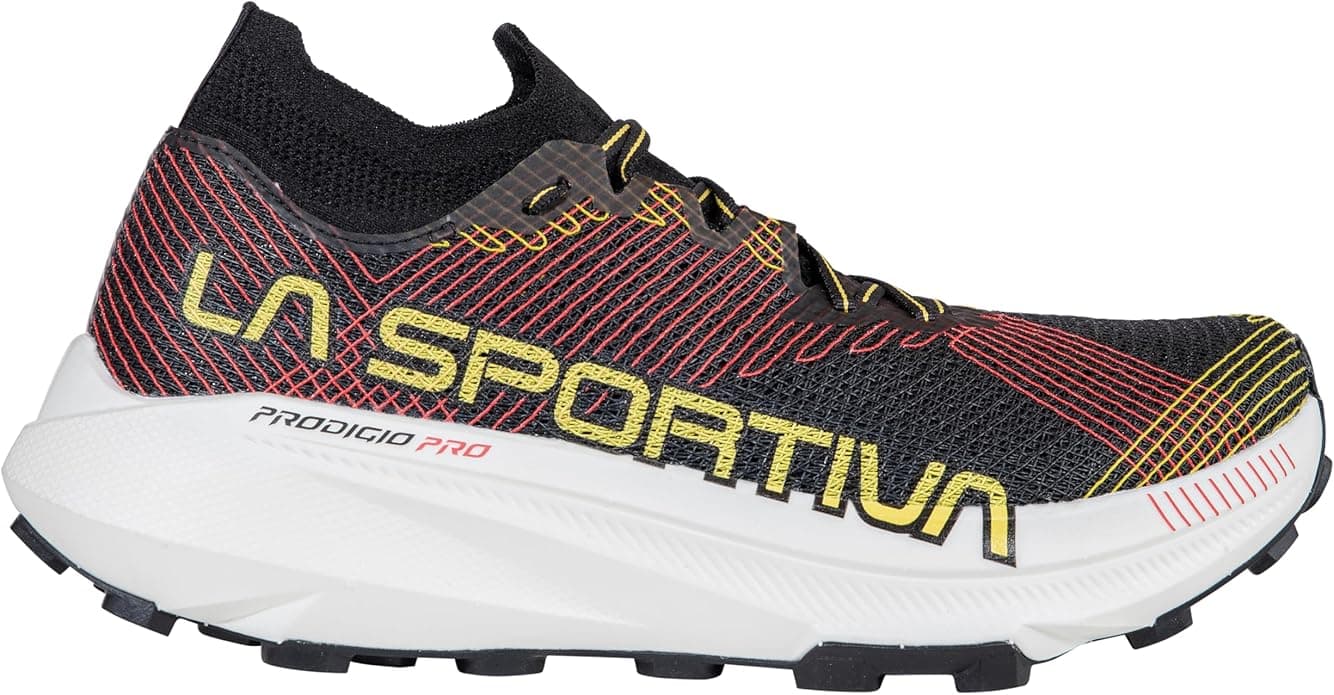
Alternatives to Consider
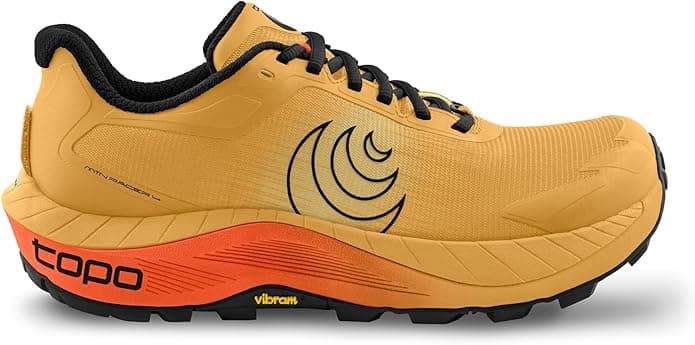
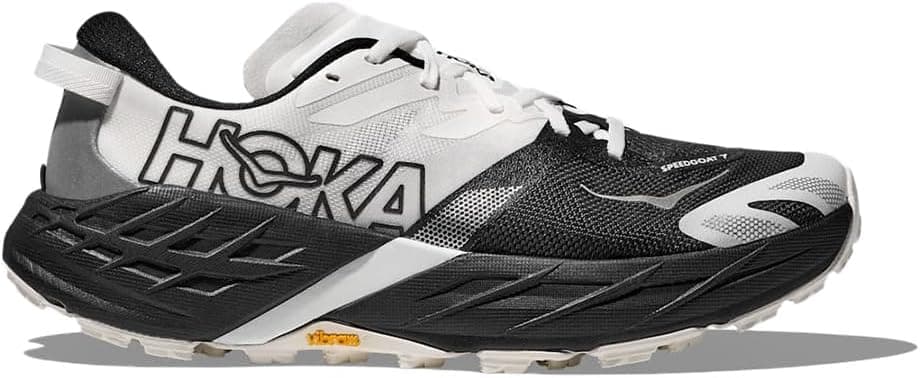
Not quite the right fit? Here are some shoes worth comparing.
Frequently Asked Questions
No. The Kipsummit Max is unplated — it relies entirely on the Fastech+ supercritical A-TPU foam, rocker geometry, and wide platform for cushioning, energy return, and structural support. If you want a plated version in the Kipsummit line, Kiprun also offers the Kipsummit Race, which features a carbon plate and is priced at $250.
Most reviewers and the brand itself recommend sizing up half a size, particularly if you plan to run distances over 25K where foot swelling becomes a factor. The toe box is narrow and tapered, and the shoe runs slightly short in interior length. Runners with wider forefeet should try the shoe on before committing if at all possible.
Yes, for the right terrain and runner profile. Multiple sources including iRunFar (300+ miles tested), Believe in the Run, and Road Trail Run position it specifically for ultra distances on non-technical to moderately technical trails, where its combination of plush foam, rocker geometry, and Vibram traction handles accumulated fatigue well. It is less well-suited for highly technical, rocky, or muddy ultra courses.
Both shoes target a similar use case and price range, and both feature Vibram outsoles with supercritical foam midsoles. The Zegama 2 is generally described as offering a more accommodating fit with a less tapered toe box and more forefoot volume, making it a better option for medium-to-wide feet. The Kipsummit Max posts higher measured energy return figures and comes in slightly cheaper, but its narrower fit is a more limiting factor for a wider range of foot shapes.
Reviewers consistently recommend against it for highly technical terrain. Doctors of Running flags the midsole softness as a liability on unstable rocky ground, the shoe has no rock plate, and at least one Road Trail Run commenter found it too unstable for very technical trails at higher body weights. It performs well on moderate singletrack, gravel, and packed dirt — but for consistently rocky or alpine terrain, a shoe with a firmer platform and rock plate is a better fit.
RunRepeat's lab testing places Fastech+ energy return (71.7–73.8%) in the top tier of all trail shoes tested, comparable to the A-TPU compounds used in more expensive trail super shoes. Believe in the Run drew comparisons to the foam feel of the Puma Deviate Nitro Elite Trail and Hoka Rocket X Trail. The key distinction is that Kiprun is delivering this foam category at a price ($150) where it has not previously been widely available in trail running.
Key Sources
RunRepeat — https://runrepeat.com/kiprun-kipsummit-max
iRunFar — https://www.irunfar.com/kiprun-kipsummit-max-review
Doctors of Running — https://www.doctorsofrunning.com/2026/05/kiprun-kipsummit-max-quick-evaluation.html
Believe in the Run — https://believeintherun.com/shoe-reviews/kiprun-kipsummit-max-review/
Road Trail Run (Main Review) — https://www.roadtrailrun.com/2026/02/kiprun-kipsummit-max-review.html
Road Trail Run (Markus / Comparisons) — https://www.roadtrailrun.com/2026/03/markus-kiprun-kipsummit-max-review-2.html
WeeViews (Multi-Tester) — https://www.weeviews.com/reviews/4348/kiprun-kipsummit-max
Alastair Running — https://www.alastairrunning.com/kiprun-kipsummit-max-review/
Running Warehouse (Product + User Reviews) — https://www.runningwarehouse.com/KIPRUN_Kipsummit_Max/descpage-KRSKMM1.html
Tom's Guide — https://www.tomsguide.com/wellness/running/ive-been-testing-kiprun-running-shoes-ahead-of-their-us-launch-here-are-3-great-sneakers-to-get-excited-about
GearJunkie (First Look / TRE) — https://gearjunkie.com/footwear/running-footwear/the-running-event-recap-2025
Meta Endurance (Preview) — https://meta-endurance.com/kiprun-kipsummit-max-preview/
Reddit r/trailrunning — https://www.reddit.com/r/trailrunning/comments/1smdupn/decathlon_shoes/
YouTube (The Run Testers) — https://www.youtube.com/watch?v=ZVuv5H87j9M