


Brooks Cascadia Elite Review
An unbiased look at what reviewers and runners are saying.
Disclaimer: AI was used to help provide an unbiased perspective on this topic, and all content was carefully fact-checked and edited by human running-shoe analysts. It reflects aggregated opinions from reviewers and runners and does not represent firsthand testing. Learn more →
Overview & Quick Verdict
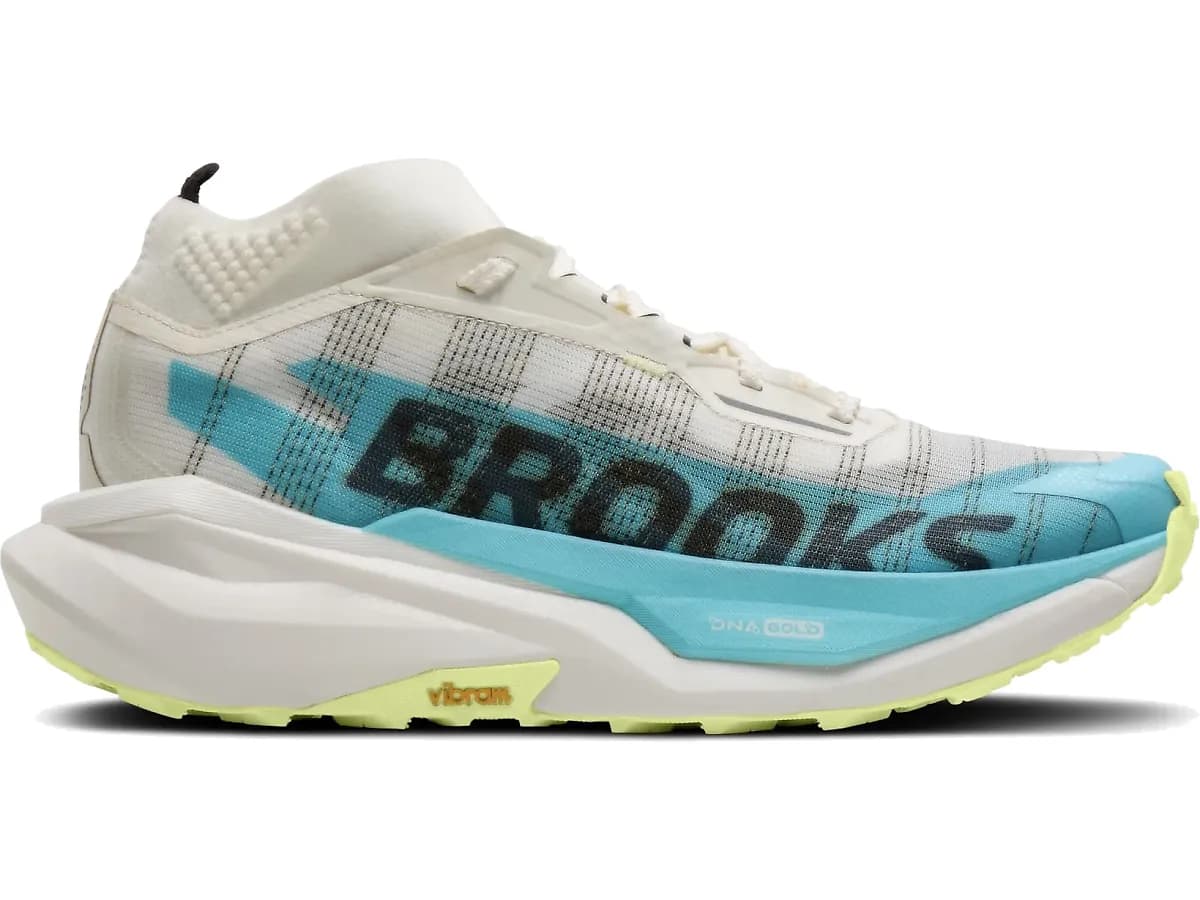
The Brooks Cascadia Elite is Brooks' first entry into the trail super shoe category — and by nearly all accounts, it is a credible debut. Built around the same DNA Gold PEBA foam that powers their Hyperion Elite 5 road racer, wrapped in a Matryx/Kevlar upper, and gripped by Vibram's newest and most premium compound, the Cascadia Elite arrives with a genuine hardware stack rather than a rebadging exercise. It was race-validated before launch, with elite athlete Chris Myers finishing second at Western States in a pair.
Expert reviewers across iRunFar, Road Trail Run, Believe in the Run, Doctors of Running, RunRepeat, and Better Trail agree on the core story: the Cascadia Elite delivers a rare combination of cushioning, stability, and traction that makes it one of the most complete trail racing shoes currently available for ultra and marathon distances. Where the consensus fractures is on fit — specifically the midfoot, a heel collar that causes friction for a meaningful minority of runners, and sizing guidance that splits expert reviewers right down the middle.
At $275, this is a significant investment. It earns it on the trail, with real caveats that runners should understand before committing.
Key Stats
- Brand: Brooks
- Model: Cascadia Elite
- Category: Trail super shoe / race-day ultra and marathon racer
- Terrain: Smooth to moderately technical trail; dry, mixed, rocky; not optimized for deep mud
- MSRP: $275
- Weight: 9.5–9.8 oz / 266–278g (men's US 9; range reflects brand spec vs. independently measured samples)
- Stack Height: 40 mm heel / 34 mm forefoot
- Drop: 6 mm (Brand) 11.5 (RunRepeat lab measured)
Best For / Not Ideal For
Best For
- Trail marathon and ultra runners (50K–100 miles) on non-extreme terrain
- Runners who want a stable, wide-platform super shoe rather than a twitchy, aggressive one
- Heel strikers — the drop and RapidRoll rocker geometry reward this gait pattern
- Runners with normal to slightly wider feet who want a roomy toebox and secure midfoot lockdown
- Competitive and recreational runners who want elite-proven race-day footwear without chasing the lightest possible shoe
Not Ideal For
- Runners with narrow feet or wide feet volume — the midfoot is called out on being both too wide and too narrow
- Runners sensitive to stiff heel counters or bootie-style collar constructions
- Terrain that is primarily steep, wet, muddy, or slick — the 3–4 mm lugs are limited in these conditions
- Short trail races (5K–10K) where a nimble, low-stack platform is preferable
- Budget-conscious runners who are not specifically targeting performance gains over ultra distances
Pros
- PEBA midsole delivers. The DNA Gold foam absorbs impact without bottoming out and returns energy efficiently on long efforts, with lab testing at RunRepeat confirming excellent shock absorption well above category average in both heel and forefoot.
- Stability is the standout. A wide platform (approximately 90 mm at midfoot), filled-in midsole base, structural sidewalls, and the horseshoe plate geometry combine to produce a planted, confident ride that multiple experts rank as more stable than most trail super shoe competitors.
- Vibram Megagrip Elite traction is exceptional. On dry rock, hardpack, gravel, and mixed mountain terrain, the outsole bites with a confidence that several testers call the best they have experienced from any trail outsole — aided by Traction Lug micro-lugs on lug faces for braking and toe-off traction.
- Matryx/Kevlar upper is race-ready. The engineered woven construction is highly breathable, debris-resistant, and reported to hold up through heavy mileage with limited signs of premature wear.
- Versatile pace range. Unlike some trail super shoes locked into a narrow performance window, the Cascadia Elite works from hiking pace through trail marathon race efforts, making it useful across a full training cycle.
- Integrated debris collar is effective. The bootie-style collar keeps out trail debris without causing discomfort for the majority of testers, functioning well across a range of sock heights and conditions.
Cons
- Heel collar causes friction for some runners. A stiff heel counter combined with the seam where the cup meets the bootie collar is flagged as a chafing risk across Running Warehouse, REI, and Doctors of Running — with at least one reviewer reporting severe heel abrasion after extended use. This is not universal, but it is documented across enough platforms to treat as a real risk.
- Wonky fitting. By some, the midfoot is called out for being too wide. However, others say it is narrow. This likely reflects different foot shapes and widths. If, possible it'd be best to try on before purchasing.
- Shallow lugs limit deep mud and steep wet-terrain performance. The 3–4 mm lug depth is adequate for most conditions but inadequate for steep, muddy climbs — a limitation flagged consistently by Doctors of Running, Road Trail Run, Better Trail, and iRunFar.
- Price is steep at $275. Even reviewers who recommend the shoe without reservation acknowledge the price as a barrier, with RunRepeat noting that competitors offer comparable or better energy return at meaningfully lower cost.
Ride & Feel
The defining characteristic of the Cascadia Elite's ride is what it does not feel like: it does not feel like a plated shoe forcing you into a single gait pattern. The horseshoe-shaped SpeedVault+ plate wraps the perimeter of the midsole rather than running through its center, adding stability and a touch of propulsion without the rigid, stiff feel associated with full-length carbon plates. Road Trail Run describes the plate as nearly disappearing in the shoe at slower paces, with the rocker engaging progressively as effort increases.
The DNA Gold PEBA foam is described across sources as denser than the same compound found in Brooks' road racing shoes — a deliberate choice that prioritizes durability and control over trail terrain rather than maximal road-racing pop. iRunFar confirms that after more than 150 miles, the ride remained lively and consistent with no signs of premature compression. The rocker geometry is more mellow and less prescriptive than aggressive competitors like the Hoka Tecton X3, which gives the Cascadia Elite a broader feel across paces but also makes it feel less distinctly propulsive on shorter, faster efforts.
Fit & Comfort
Sizing guidance is genuinely split across expert sources: Road Trail Run's Sam recommends sizing up a half; iRunFar, Doctors of Running, and Road Trail Run's Jen recommend true to size; RunToTheFinish recommends sizing up, especially for downhill-heavy races. The only consensus is that runners with wider feet or plans for very long efforts in heat should lean toward a half size up. Runners with narrow feet face the additional complication of the wide unisex midfoot — a structural limitation that no lacing adjustment fully resolves, according to Road Trail Run's multi-tester report.
The toebox is widely described as roomy and well-suited to toe splay over long distances — the forefoot is not the fit problem. The midfoot is. For runners whose foot geometry aligns with the unisex last, the overall fit is praised as secure and comfortable with no sharp pressure points. Comfort from the midsole underfoot is near-unanimously positive; comfort from the upper varies by heel and ankle geometry, with the heel counter seam representing the highest individual-specific risk.
Support & Stability
The Cascadia Elite is a neutral shoe by category but delivers meaningfully more stability than most neutral trail super shoes — a point emphasized by Doctors of Running, Road Trail Run, iRunFar, and Better Trail. The wide platform (approximately 90 mm at midfoot, confirmed by Road Trail Run), filled-in midsole geometry, bilateral sole flare, and structural sidewalls running from heel into the posterior forefoot all contribute to a grounded, centered ride. Doctors of Running's DPT analysis specifically notes that the wide cross- sectional area underfoot gives the nervous system a more predictable landing than narrower competitors.
The horseshoe plate plays a secondary stability role that reviewers found surprising. Rather than functioning as a stiffness element, it reinforces the lateral and medial midsole walls, resisting the platform roll that affects some high-stack trail shoes on uneven ground. Multiple field testers — including runners who found other high-stack shoes like the Hoka Speedgoat 6 to feel tippy — reported the Cascadia Elite holding its composure on technical terrain without requiring additional compensatory effort.
Traction & Durability
The Vibram Megagrip Elite on Litebase outsole is one of the two clearest strengths of this shoe, alongside the midsole. The compound is Vibram's newest and most premium, previously reserved for the Norda 005 — and multiple reviewers describe the on-trail grip as the best they have encountered in this category on dry rock, hardpack, mixed mountain terrain, and general trail. Road Trail Run's Adam rated it a perfect score on traction and noted it as the best outsole compound he had tested.
The mud question is less settled. RunToTheFinish was impressed by how well the shoe shed mud given its lug depth; Road Trail Run's Jen photographed visible mud retention after a 75-minute run in average wet conditions. The balance of evidence suggests the outsole handles light to moderate mud effectively but is not suited to sustained steep and soft terrain where 6+ mm lugs would provide meaningfully better bite. Durability is an open question: the Matryx/Kevlar upper receives consistent confidence from reviewers, while Better Trail raises a reasonable concern that the sticky Megagrip Elite compound, starting from a shallow 3–4 mm, may wear faster on abrasive surfaces than a deeper, harder rubber would.
Energy Return & Performance
RunRepeat's lab work recorded shock absorption of 147 in the heel and 116 in the forefoot — both comfortably above the trail super shoe category average. Field testers describe the foam as responding progressively, feeling efficient at ultra pace without becoming dead or flat, and retaining that character through long efforts in a way that cheaper PEBA compounds and traditional EVA foams often fail to sustain.
The performance story is validated by race results: Chris Myers ran one of the fastest times in Western States history in the Cascadia Elite before the shoe was publicly available, and Road Trail Run's Adam shaved 11 minutes off his course time at a 30km race compared to his previous outing in a Hoka Zinal 2. These are individual data points, not controlled comparisons, but they establish the shoe's race-day credibility at the elite and competitive-amateur level. For runners who want the most aggressively propulsive ride — shorter races, fast singletracks, aggressive forward lean — the mellow rocker and wide platform feel less specialized than competitors like the Hoka Tecton X3 or Adidas Terrex Agravic Speed Ultra. The Cascadia Elite earns its performance through consistency and endurance rather than explosiveness.
Final Verdict
The Brooks Cascadia Elite is a successful first attempt at one of running's most technically demanding categories. It competes credibly with established trail super shoes from Hoka, ASICS, On, and Adidas on the key axes of cushioning, traction, and stability — and it differentiates itself meaningfully with a more mellow, versatile ride character that suits long ultra efforts over aggressive short-race sharpness. Brooks has not made a compromise shoe; they have made a deliberate one.
The caveats are real and worth naming plainly. The unisex last will not work for everyone. The wonky fitting midfoot may not work for both narrow narrow and wide footed runners. This discrepancy, along with the heel collar presents documented risk for a subset of runners that is large enough to warrant trying the shoe on or testing early before committing to a race. And the $275 price demands the kind of long-distance racing context that justifies its engineering.
For the runner it is designed for — someone chasing ultra and mountain marathon performance on moderate-to-technical terrain with normal-to- wide feet — the Cascadia Elite is among the best options currently available.
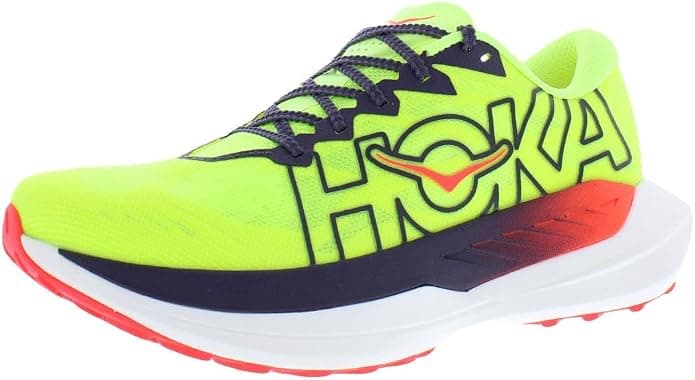
Alternatives to Consider
Not quite the right fit? Here are some shoes worth comparing.
Frequently Asked Questions
Sizing guidance is genuinely split across expert reviewers. Road Trail Run's Sam and RunToTheFinish recommend sizing up a half, especially for longer distances in heat. iRunFar, Doctors of Running, and Road Trail Run's Jen all recommend true to size. The safest guidance is to try before committing to a race, and to lean toward a half size up if you have wider feet or expect significant foot swelling. The unisex last means runners with narrow feet may have midfoot fit issues regardless of length.
No. The Cascadia Elite uses a carbon-infused Pebax SpeedVault+ Trail Plate that is horseshoe-shaped rather than a traditional full-length carbon plate. It wraps the perimeter of the midsole, adding lateral and medial stability and a degree of propulsion without introducing the rigidity of full carbon. Reviewers note it functions more as a stability element than a propulsive one, which contributes to the shoe's versatile, non-prescriptive ride feel.
Road Trail Run's multi-tester review directly compared the two: the Tecton X3 feels slightly more responsive and has a higher gaiter, while the Cascadia Elite is more stable, more adaptable across paces, and better suited to runners who want a less prescriptive ride over very long distances. Both have comparable specs in weight, stack, and foam. The Tecton X3 is generally the stronger choice for midfoot and forefoot strikers; the Cascadia Elite is the stronger choice for heel strikers and runners prioritizing stability.
Not optimally. The Vibram Megagrip Elite outsole is exceptional on dry, rocky, and mixed terrain, but its 3–4 mm lugs are limited in deep mud, steep soft climbs, and wet slick surfaces. Doctors of Running, Road Trail Run, Better Trail, and iRunFar all note this as the shoe's primary terrain limitation. For races with sustained steep, muddy sections, a shoe with 6+ mm aggressive lugs would provide meaningfully better grip.
No — the Cascadia Elite is currently available in unisex sizing only. Multiple reviewers, including Road Trail Run's female tester Jen, explicitly noted that the wide unisex midfoot fits poorly for lower-volume and narrower women's feet, even when using a heel-lock lacing technique. Several sources have called on Brooks to produce a women's-specific last for a future version.
A stiff heel counter and a seam at the junction between the heel cup and the bootie collar can create friction and pressure at the rear of the ankle for some runners. This is documented across Running Warehouse, REI, Doctors of Running, and meta-endurance, with at least one REI reviewer reporting severe heel abrasion. It is not a universal complaint — many testers had no issues — but it is frequent enough across independent platforms to warrant caution. Runners with prior sensitivity to bootie-style heel constructions should trial the shoe before using it in a race.
No. Despite the name, multiple reviewers from Believe in the Run, Road Trail Run, iRunFar, and Better Trail specifically emphasize that the shoe is well-suited to competitive recreational and enthusiast runners targeting ultra or marathon trail races. Its stable, wide platform and mellow rocker make it more approachable than many trail super shoes, not less.
Key Sources
Believe in the Run — https://believeintherun.com/shoe-reviews/brooks-cascadia-elite-review/
Road Trail Run (Single Tester) — https://www.roadtrailrun.com/2025/10/brooks-cascadia-elite-review-not-just.html
Road Trail Run (Multi-Tester) — https://www.roadtrailrun.com/2026/02/brooks-cascadia-elite-multi-tester.html
iRunFar — https://www.irunfar.com/brooks-cascadia-elite-review
Doctors of Running — https://www.doctorsofrunning.com/2026/02/brooks-cascadia-elite-review-2026.html
RunRepeat — https://runrepeat.com/brooks-cascadia-elite
Running Warehouse (Expert Review) — https://www.runningwarehouse.com/reviews/brooks-shoe-reviews/brooks-cascadia-elite.html
Running Warehouse (Product / User Reviews) — https://www.runningwarehouse.com/Brooks_Cascadia_Elite/descpage-BRCAEU1.html
Better Trail — https://bettertrail.com/outdoor-gear/brooks-cascadia-elite-trail-running-shoe-review
RunToTheFinish — https://runtothefinish.com/brooks-cascadia-elite-review/
Engearment — https://engearment.com/gear-review/brooks-cascadia-elite-trail-running-shoe-review/
Meta Endurance — https://meta-endurance.com/brooks-cascadia-elite-review/
REI Co-op (Product + User Reviews) — https://www.rei.com/product/C00977/brooks-cascadia-elite-trail-running-shoes