
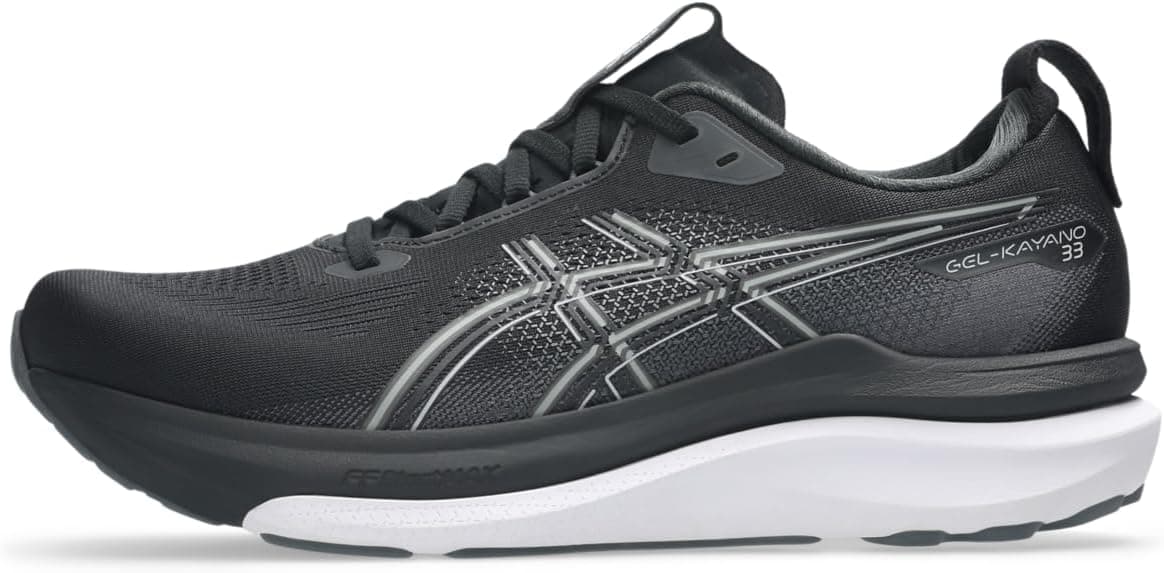


Asics Gel-Kayano 33 Review
An unbiased look at what reviewers and runners are saying.
Disclaimer: AI was used to help provide an unbiased perspective on this topic, and all content was carefully fact-checked and edited by human running-shoe analysts. It reflects aggregated opinions from reviewers and runners and does not represent firsthand testing. Learn more →
Overview & Quick Verdict
The Asics Gel-Kayano 33 is the latest version of Asics' flagship stability trainer, and it is one of the larger redesigns the line has seen in recent years. The midsole moves to a dual-layer setup — a softer FF Blast Max top layer over an FF Blast Plus base, with a PureGEL insert in the heel — and the long-running 4D Guidance System is replaced by a new geometry-based approach Asics calls FluidSupport.
Across lab reviews, clinical testers, and enthusiast outlets, the consensus is that the 33 is comfortable, well-built, and stable in a less intrusive way than older Kayanos. Reviewers consistently praise the premium upper, the dependable outsole, and the more natural support, and most agree the shoe holds its ground as an easy-day, recovery, and all-day-comfort option.
Where opinion fractures is the ride. Some sources describe the new foam as the softest-ever Kayano, while others report a firm, flat feel with limited energy return and a heavy overall profile. The shoe is broadly agreed to be capable at slow paces and out of its depth at fast ones — a stability cruiser rather than a do-everything trainer.
Key Stats
- Brand: Asics
- Model: Gel-Kayano 33
- Category: Stability daily trainer
- Terrain: Road
- MSRP: $170
- Weight: 10.5 oz / 298g (men's US 9); ~9.1 oz / 258g (women's US 8)
- Stack Height: 39 mm heel / 31 mm forefoot (official); independent lab measurements run slightly lower
- Drop: 8 mm
Best For / Not Ideal For
Best For
- Runners who found previous Kayanos too corrective and want more natural, less intrusive stability
- Mild-to-moderate overpronators who dislike a firm medial post under the arch
- Easy mileage, recovery runs, and relaxed-pace long runs
- Heel strikers seeking a stable, protective platform
- Walkers and people on their feet for long hours
- Runners wanting a softer step-in feel than earlier Kayano generations
Not Ideal For
- Runners who want a lightweight, versatile trainer for tempo or speed work
- Those chasing a bouncy, energetic ride
- Severe overpronators who relied on the traditional guidance of the Kayano 31 or 32
- Hot-weather runners who prioritize maximum breathability
Pros
- The FluidSupport system provides stability through a wide base, sidewalls, and firmer foam placement rather than a rigid medial post, which reviewers describe as supportive without feeling restrictive.
- The engineered mesh upper is widely praised as premium and comfortable, with a plush heel collar, a well-padded semi-gusseted tongue, and a secure lockdown.
- The toe box is reported as slightly roomier and less tapered than the Kayano 32, giving the forefoot a more accommodating fit.
- The Hybrid ASICSGRIP outsole combines ASICSGRIP and AHAR+ rubber for dependable traction on wet and dry roads, with early wear resistance rated well by testers.
- Build quality and durability signals are strong across sources, and Asics held the price at $170 rather than raising it.
- Reflectivity at the heel is called out as unusually strong for low-light visibility.
Cons
- Energy return is a recurring criticism; despite the new foam, multiple sources describe the ride as flat and lacking bounce, particularly as pace picks up.
- The shoe is heavy for the category at roughly 10.5 oz, and reviewers note the weight becomes noticeable during faster efforts.
- Several testers report a flatter, sometimes clunky heel-to-toe transition, tied to the shoe's traditional, largely non-rockered geometry.
- Breathability is only moderate, and warm-weather runners may find the plush upper runs hot.
Ride & Feel
The ride is the most debated aspect of the Gel-Kayano 33. RunRepeat's lab work found the top foam objectively softer than the Kayano 32, and some outlets echo that impression with descriptions of a plush, cushioned step-in. Other reviewers, including Doctors of Running and Tom's Guide, report that the foam compresses quickly to a firmer layer underfoot and does not feel especially soft or lively while actually running.
A useful way to reconcile the split is that "softer" and "bouncier" are not the same thing here. The FF Blast Max layer measures softer on the bench, but the overall ride is widely described as firm-leaning and low on rebound once you are moving. The result is a shoe that feels most at home cruising rather than accelerating.
Transitions are another point of feedback. The Gel-Kayano 33 largely avoids the aggressive rocker geometry common in modern trainers, and some testers describe the heel-to-toe roll as flatter or slightly clunky, improving somewhat as the shoe breaks in.
Fit & Comfort
Fit is consistently reported as true to size, and the shoe is available in multiple widths, which is increasingly rare in the category. Reviewers describe the forefoot as slightly more accommodating than the previous version, with enough room for the toes without losing security through the midfoot.
The upper draws broad praise for comfort. The plush heel collar and well-padded, semi-gusseted tongue deliver a secure, pressure-free lockdown, and the revised lacing setup is noted for spreading tension comfortably across the instep. A small number of testers reported isolated forefoot friction or minor blistering near the medial toe overlay, though this is not a widespread theme.
Breathability is the main comfort caveat. Sources rate airflow as moderate at best, and the thick, cushioned upper can feel warm during summer running, so hot-climate runners should weigh this before buying.
Support & Stability
Stability is the Gel-Kayano 33's core purpose, and reviewers agree it delivers a stable, planted platform. The FluidSupport system leans on a broad base, raised midsole sidewalls, a firmer secondary foam, and a rigid, torsionally stiff chassis rather than a traditional medial post, which most testers find effective and less intrusive than older Kayano guidance.
The trade-off is the degree of correction. Because the support comes from geometry and foam placement rather than a firm arch block, several sources note the shoe is best suited to mild or moderate overpronation. Runners who specifically relied on the stronger, more prescriptive feel of the Kayano 31 or 32 may find the 33 less corrective.
The heel counter remains stiff but is reported as slightly more forgiving than some past versions, which may benefit runners with sensitive Achilles tendons.
Traction & Durability
The Hybrid ASICSGRIP outsole is one of the shoe's clearest strengths. Combining ASICSGRIP and AHAR+ rubber, it earns consistent praise for grip on both wet and dry pavement, and the redesigned outsole pattern is generally well received despite moving away from the previous layout.
Durability signals are positive. Lab abrasion testing places outsole wear near the category average with a thick rubber layer, and heel padding and upper durability score well, pointing to a shoe built to hold up over a typical training life. Testers commonly cite an expected lifespan in the 400–500 mile range, consistent with the Kayano line's reputation.
The generous outsole rubber contributes to durability but also to the shoe's overall weight, a tradeoff Asics appears to have made deliberately to preserve the line's long-lasting character.
Energy Return & Performance
Independent lab testing at RunRepeat measured energy return around 50% at the heel and roughly 57% at the forefoot — a modest improvement over the previous version but below the average for the shoes in their database. This aligns with the widely reported sense that the shoe absorbs impact well but gives little back, keeping it anchored to easy-paced running.
The PureGEL heel insert contributes to comfortable, cushioned landings, though reviewers note it also adds to the muted rebound. Combined with the shoe's weight and stiff platform, the performance profile is squarely that of a protective cruiser rather than an uptempo tool.
For daily easy miles, recovery, and long runs at relaxed effort, sources agree the Gel-Kayano 33 performs its job well. Attempts to push the pace are where the weight and low energy return become most apparent.
Conclusion
The Asics Gel-Kayano 33 is a comfortable, durable, and genuinely stable trainer that modernizes the line's support philosophy without abandoning what made it recognizable. The premium upper, dependable outsole, and less intrusive FluidSupport system are consistent bright spots, and holding the price steady is a welcome move in an inflationary market.
The reservations are equally consistent. The ride is heavy and low on energy return, breathability is only moderate, and the reduced corrective feel means this is not a straightforward recommendation for everyone who loved the Kayano 31 or 32. Runners who want maximum traditional guidance or a livelier ride should look elsewhere.
As an easy-day and all-purpose stability cruiser, the Gel-Kayano 33 is a solid, dependable choice. As a versatile trainer that can also handle speed, it is more limited — and buyers should choose it for what it does well rather than expecting it to do everything.
Alternatives to Consider
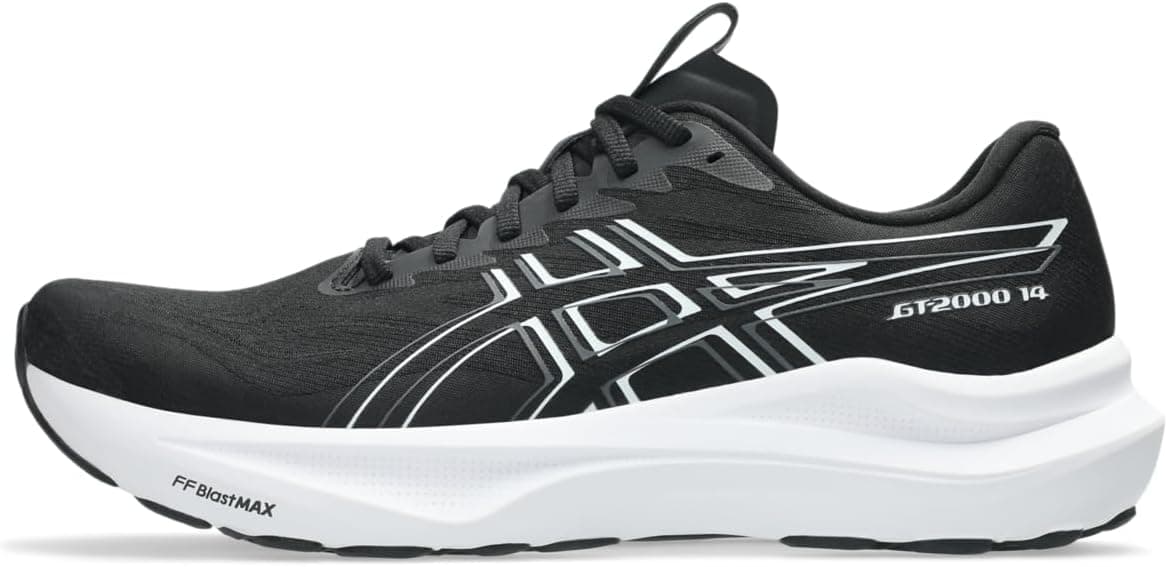
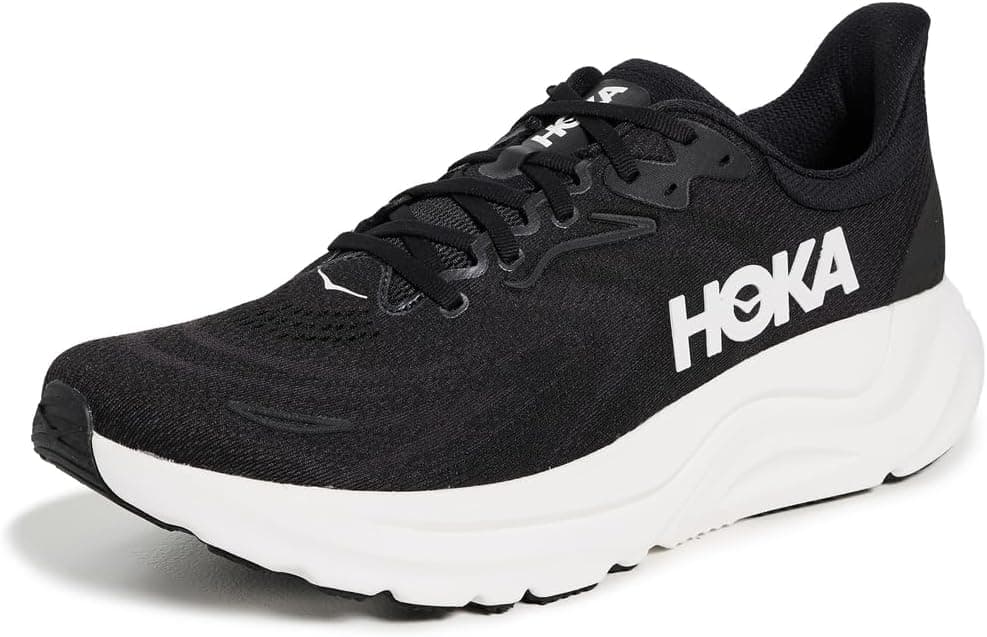
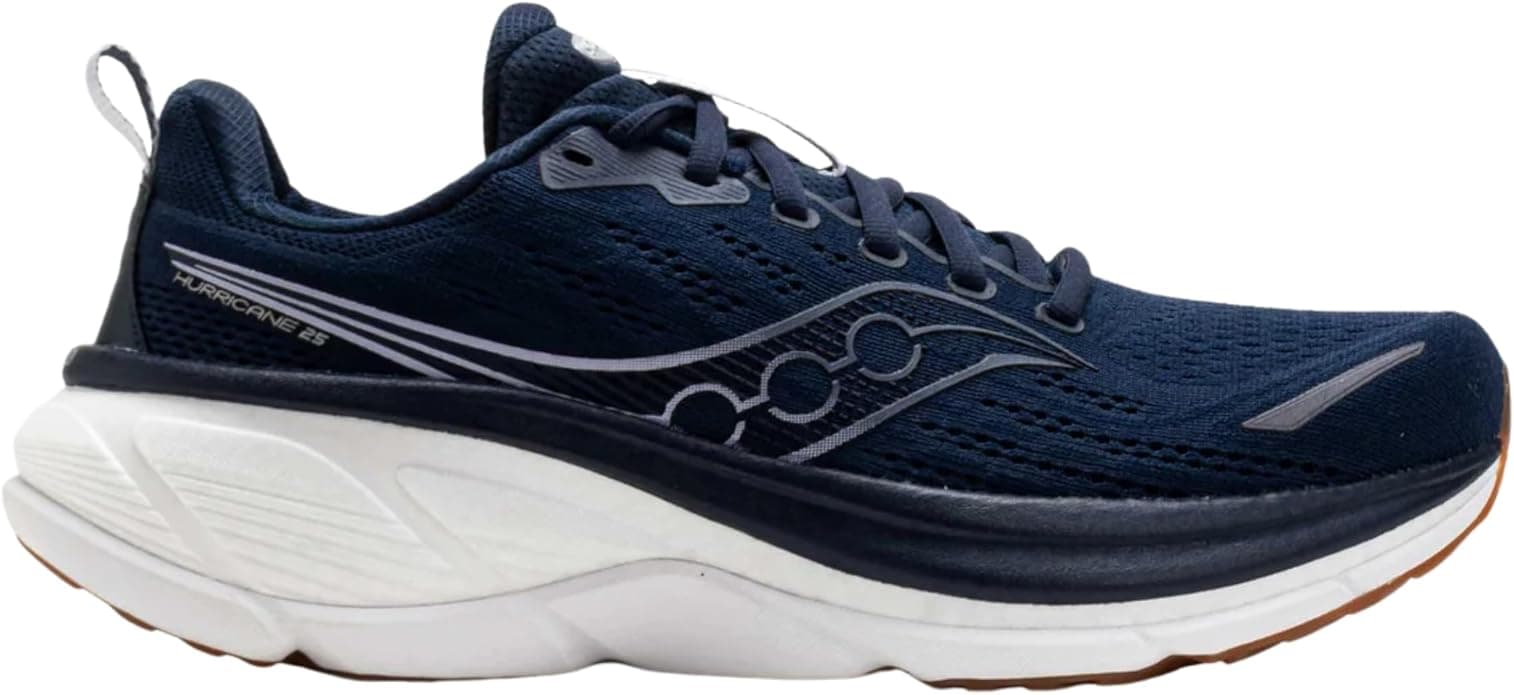
Not quite the right fit? Here are some shoes worth comparing.
Frequently Asked Questions
Yes, for mild-to-moderate overpronation. The new FluidSupport system provides stability through a wide base, sidewalls, and firmer foam placement rather than a traditional medial post, which reviewers find effective but less prescriptive. Runners with severe overpronation who relied on the stronger corrective feel of the Kayano 31 or 32 may find the 33 less supportive and could prefer a more structured option.
No. The Gel-Kayano 33 is a stability daily trainer with no plate. Its structure comes from a firmer secondary foam, a wide platform, and a torsionally rigid chassis rather than a carbon or plastic plate.
Yes. Reviewers consistently report it fits true to size, with a toe box that is slightly roomier than the Kayano 32. It is also offered in multiple widths in many markets, which helps runners who need a narrower or wider fit find a better match.
The 33 is a notable redesign. It swaps the full FF Blast Plus midsole for a dual-layer setup with a softer FF Blast Max top layer, and replaces the 4D Guidance System with the new geometry-based FluidSupport. Weight and drop stay similar, but the ride and support feel different — some runners find the 33 softer and more natural, while others feel the 32 was firmer, more responsive, and more corrective.
Yes. Its stability features, cushioning, and broad platform work especially well at slow speeds, and multiple reviewers single it out as a strong choice for walking, travel, and long hours on your feet.
It is not well suited to fast running. The shoe is heavy for the category and lab testing shows relatively low energy return, so it feels flat and cumbersome when you try to pick up the pace. It is best kept for easy miles, recovery, and relaxed long runs, with a lighter shoe used for tempo and speed sessions.
Key Sources
RunRepeat — https://runrepeat.com/asics-gel-kayano-33
Doctors of Running — https://www.doctorsofrunning.com/2026/05/asics-gel-kayano-33-review-2026.html
Tom's Guide (The Run Testers) — https://www.tomsguide.com/wellness/running/asics-gel-kayano-33-review
Canadian Running Magazine — https://runningmagazine.ca/sections/gear/shoe-review-asics-gel-kayano-33/
Meta-Endurance — https://meta-endurance.com/asics-gel-kayano-33-review/
Flawless Shoe Reviews — https://flawlessshoereviews.com/asics-shoes/asics-gel-kayano-33-review/
=PR= Run & Walk — https://prrunandwalk.com/blogs/news/asics-kayano-33
Marathon Sports — https://www.marathonsports.com/blog/asics-gel-kayano-33-review-meet-fluidsupport-technology
Running Lab — https://runninglabstore.com/blogs/news/asics-gel-kayano-33-stability-refined
Run Weekly — https://www.runweekly.com/asics-kayano-33-review/
RTINGS — https://www.rtings.com/running-shoes/reviews/asics/gel-kayano-33