
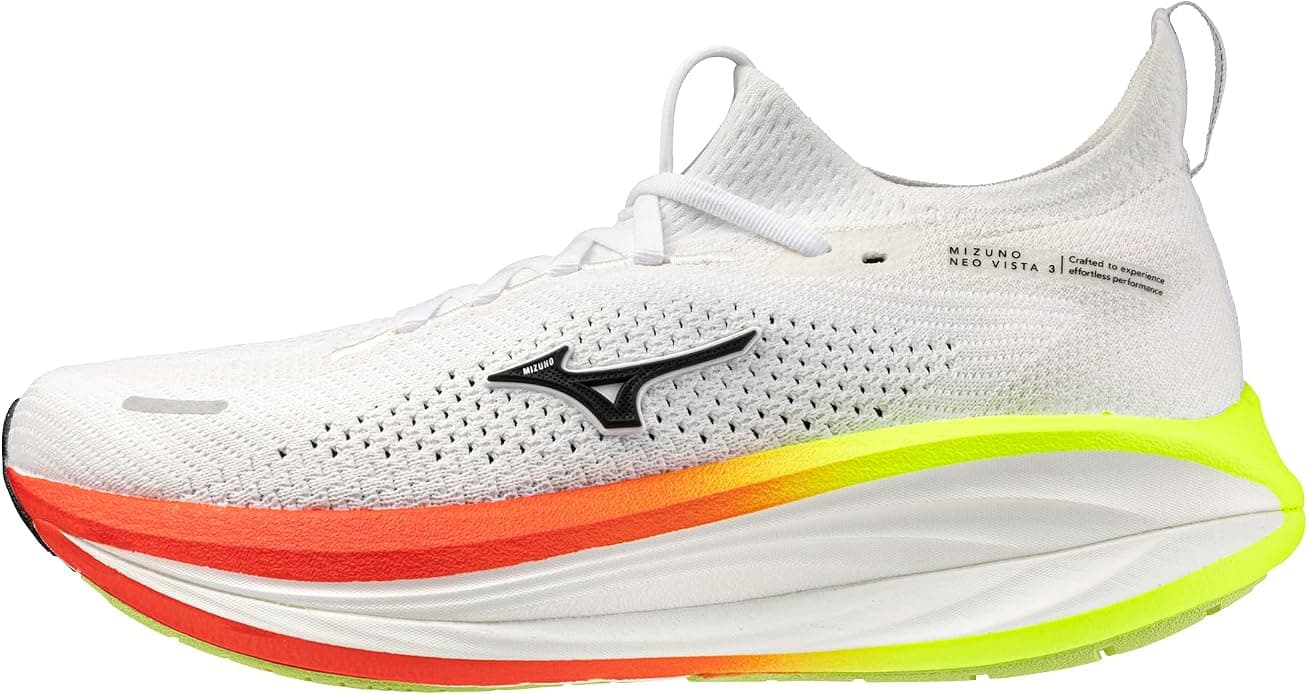


Mizuno Neo Vista 3 Review
An aggregated overview based on reviewer and runner feedback.
Disclaimer: AI was used to help provide an unbiased perspective on this topic, and all content was carefully fact-checked and edited by human running-shoe analysts. It reflects aggregated opinions from reviewers and runners and does not represent firsthand testing. Learn more →
Overview & Quick Verdict
The Mizuno Neo Vista 3 is the third iteration of Mizuno's flagship super trainer, and it arrives as a refinement rather than a redesign. The midsole formula carries over almost unchanged — a nitrogen-infused Enerzy NXT top layer over an EVA base — while the notable updates sit in a redesigned 3D Wave Plate and a reworked rear upper aimed at fixing the lockdown complaints of the previous version.
Across lab and enthusiast sources, the consensus is that this is one of the more protective and comfortable max-cushion trainers available, best suited to long runs and daily mileage. Reviewers repeatedly single out the deep cushioning, the improved heel security, and a soft ride that stays stable for its stack height. The knit upper draws consistent praise for comfort and step-in feel.
Where opinions split is on liveliness and value. Lab measurement places the foam's energy return around average, prompting a "not as bouncy as it markets" critique, while many on-foot reviewers describe a distinctly springy ride. Paired with a $200 price and only incremental changes over the Neo Vista 2, the shoe's appeal depends heavily on whether a runner needs the specific things this update improves.
Key Stats
- Brand: Mizuno
- Model: Neo Vista 3
- Category: Neutral max-cushion super trainer
- Terrain: Road
- MSRP: $200
- Weight: 9.3 oz / 265g (men's US 9); ~7.8 oz / 220g (women's) — independent lab measurement recorded 9.4 oz / 266g
- Stack Height: 44.5 mm heel / 36.5 mm forefoot (lab-measured at 43.5 mm / 35.0 mm)
Best For / Not Ideal For
Best For
- Neutral runners wanting a deeply cushioned trainer for daily mileage and long runs
- Runners who want a stable-feeling high-stack shoe without a dedicated stability model
- Those who like a soft, sink-in ride but still want a plate and rocker for structure
- Long-run-focused training with the option to insert uptempo segments
- Previous Neo Vista owners who struggled with heel security or fit on earlier versions
Not Ideal For
- Runners with genuinely wide forefeet, unless they confirm the fit works for them
- Those chasing maximum energy return or a sharp, race-fast feel
- Runners who need real pronation control and support
- Anyone who prefers a low-stack, flexible, ground-connected ride
Pros
- Deep cushioning and strong shock absorption make it well suited to high mileage and long runs, with reviewers noting protected legs late in efforts.
- Heel lockdown is substantially improved over the previous version thanks to added rear padding and a more structured heel counter.
- The one-piece knit upper is widely described as comfortable and sock-like, and lab testing rated it more breathable and durable than most knit uppers.
- It feels reasonably light for the amount of foam underfoot, with most sources reporting a men's weight in the low-9-ounce range.
- The redesigned Wave Plate adds a springboard-like sensation through the midfoot that several reviewers found genuinely fun.
- It is considered stable for a max-cushion neutral trainer, holding up better than its tall platform might suggest.
Cons
- Lab-measured energy return sits around the category average, so some reviewers feel the foam damps impact more than it springs back.
- At $200 with only incremental changes over the Neo Vista 2, the value proposition is questioned when the prior version can be found discounted.
- The tall platform and size make it feel bulky for fast interval work, and most reviewers set it aside for genuinely quick sessions.
- The forefoot is on the tapered side and can crowd wider feet, and the knit needs a short break-in period.
- The deep midfoot outsole cutout tends to trap small rocks and debris, an issue carried over from earlier versions.
- Some reviewers found the knit warmer than the previous model in hot conditions.
Ride & Feel
The defining trait of the Neo Vista 3 is its soft, sink-in cushioning combined with a pronounced rocker that Mizuno calls Smooth Speed Assist. Reviewers consistently describe a plush landing followed by a rolling transition, with the pronounced heel and forefoot curvature encouraging forward movement regardless of footstrike. The lab-measured midsole softness is well below average firmness, confirming the deeply cushioned character reviewers report.
The redesigned Wave Plate is the main change to the ride. Its central section curves upward through the midfoot to create a spring-like effect, and several reviewers felt this added a livelier, poppier sensation than the previous version despite the unchanged foam. Opinions on how that spring translates to pace differ, which is covered in the performance section below.
At slower paces the picture is mixed. Most reviewers find the shoe smooth and forgiving for easy mileage, but at least one experienced tester felt the plate's central spring produced a vertical, slightly delayed sensation rather than an immediate forward roll, particularly for a heel-striker at relaxed paces. This appears to be footstrike- and pace-dependent rather than a universal trait.
Fit & Comfort
The one-piece engineered knit upper is a highlight, with reviewers praising its seamless, sock-like wrap and the double pull-tab entry. The redesigned rear — more padding around the collar and a firmer heel counter — is repeatedly credited with fixing the loose, insecure heel hold that frustrated some runners in the Neo Vista 2. A short break-in period is commonly noted before the knit settles.
Sizing guidance is the area of greatest disagreement, largely because of version history. The previous model ran long and baggy, so some carryover advice recommends sizing down; several current reviewers, however, report the length issue is resolved and the v3 now fits closer to true to size with a snug, secure forefoot. Lab measurement supports a slightly tapered toe box paired with a tall toe box height and a stretchy knit that adds give.
The practical takeaway is that foot shape matters more than a single sizing rule. Standard and moderately wide feet are generally well served, while genuinely wide feet are more frequently flagged as a poor match, since the stretchy knit can only accommodate so much before the foot reaches the edges of the platform. A minimally padded tongue and integrated lace chain give a streamlined feel that some runners love and others find polarizing.
Support & Stability
For a shoe with this much stack height, the Neo Vista 3 is regarded as reassuringly stable. Reviewers attribute this to a wide platform at both the forefoot and heel, the firmer EVA base layer, and the redesigned plate, which is described as taking on a larger stabilizing role through the midfoot and rearfoot. Some sources go as far as calling it among the more stable options in the super-trainer category.
That stability has limits, and it should not be mistaken for pronation control. Lab assessment notes that the soft top foam and relatively flexible heel counter do not provide the structure an overpronator would need, and the shoe is best characterized as neutral-to-stable rather than a dedicated support model. Runners requiring genuine motion control are pointed elsewhere.
There is also a minor disagreement about slow-pace stability. A few testers felt the very soft top layer could feel slightly unsettled at easy paces, while others found the wider base and firmer base foam exceptionally planted; this again tracks with individual mechanics and footstrike.
Traction & Durability
The X10 rubber outsole uses segmented pods over deep flex grooves, with strategic coverage rather than a full slab. Reviewers report confident grip on dry roads and adequate traction on wet pavement, and early wear impressions are positive, with lab abrasion testing recording very low material loss and one multi-tester noting minimal wear after roughly 50 miles. Lab testing did flag the rubber layer as thin, though the strong abrasion result offsets that concern.
The most common durability-adjacent complaint is functional rather than structural: the large midfoot cutout that helps reduce weight also tends to catch small rocks and debris, especially off smooth pavement. Because the Neo Vista 3 is a recent release, long-term mileage evidence remains limited, and durability claims beyond a few hundred kilometers are not yet well documented across sources.
Energy Return & Performance
This is the shoe's central point of contention. Independent lab testing measured energy return near the category average, leading to a critique that the Enerzy NXT foam behaves more like a protective, damping compound than an explosive spring, with one lab source suggesting a more advanced foam would unlock more performance. That measurement is a single lab result and sits in genuine tension with subjective impressions.
Many on-foot reviewers describe the ride as distinctly bouncy and fun, crediting the nitrogen-infused foam and the new plate's springboard effect. The most balanced reading is that the shoe delivers a satisfying, lively-feeling roll for easy and long efforts without producing the measured, snap-back rebound of the most energetic PEBA-based rivals.
As a performance tool, the Neo Vista 3 is best understood as a versatile trainer rather than a racer. Reviewers report it handling easy runs, long runs, and tempo or marathon-pace segments comfortably, while feeling too large and heavy for sharp interval work or top-end speed. Its strength is range and protection, not outright speed.
Conclusion
The Mizuno Neo Vista 3 is a polished, dependable max-cushion super trainer that does its most important job — protecting the legs over long, easy miles — very well. The improved heel lockdown and comfortable knit upper address the previous version's clearest weaknesses, and the stability-for-its-height reputation is well earned for neutral runners.
The open questions are value and liveliness. The changes over the Neo Vista 2 are incremental, and at $200 the decision often comes down to whether the fit and stability improvements matter to a given runner, or whether a discounted prior version would serve just as well. Runners who prioritize maximum energy return or a fast, snappy feel will likely find more excitement elsewhere.
For its intended audience — neutral runners who want a soft, protective, stable long-run and daily trainer with a plate and rocker for structure — it is a strong, low-risk choice. It is less a reinvention than a careful tuning of a formula that already worked.
Alternatives to Consider
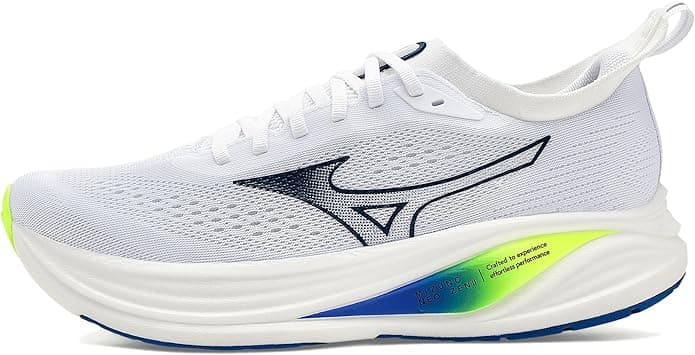
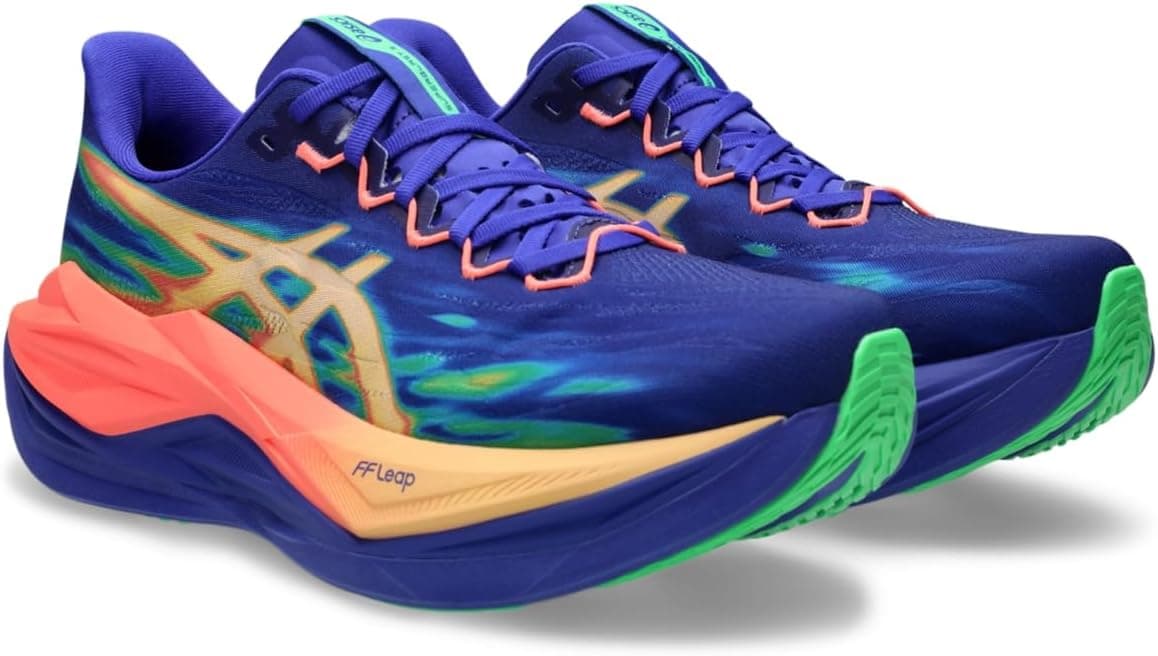
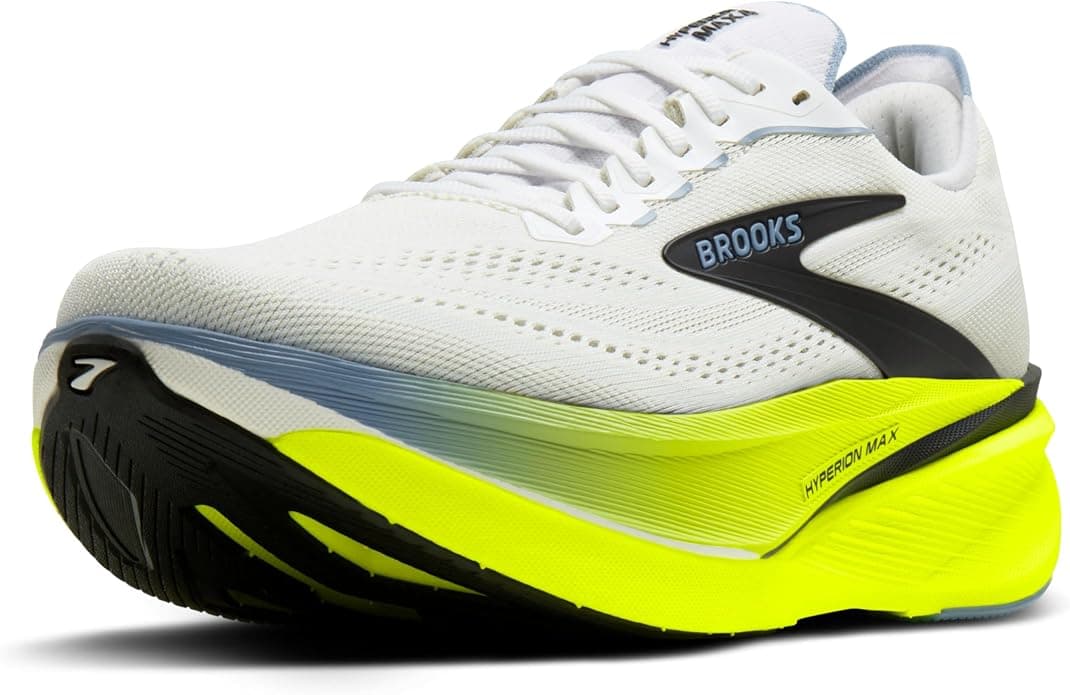
Not quite the right fit? Here are some shoes worth comparing.
Frequently Asked Questions
Yes, for most neutral runners. Its deep cushioning and shock absorption suit long runs and daily mileage, and it can handle tempo and marathon-pace segments, though it is not built as a dedicated race shoe. Runners who need pronation control or a lighter, faster feel may prefer to pair it with a second shoe for speed days.
No. It uses a full-length 3D-shaped Wave Plate made from glass-fiber-reinforced nylon rather than carbon. Reviewers note the nylon plate adds structure and a springboard-like effect through the midfoot without the stiffness of a carbon plate, which helps preserve the forgiving ride.
Most current reviewers report it fits close to true to size, with the excessive length of the previous version corrected. The stretchy knit accommodates standard and moderately wide feet, but the forefoot is on the tapered side, and runners with genuinely wide feet are more often advised to try it on first or look elsewhere.
The core midsole foam and stack height are essentially unchanged. The main updates are a redesigned 3D Wave Plate that adds midfoot spring, and a reworked rear upper with more padding and a firmer heel counter that improves lockdown. Reviewers describe it as a refinement rather than a wholesale redesign.
This is the most debated point. Many on-foot reviewers describe a fun, springy ride, while independent lab testing measured energy return near the category average and characterized the foam as more protective than explosive. A fair summary is that it feels lively and rolls well, but does not match the snap-back rebound of the most energetic PEBA-based rivals.
It depends on what you need. Reviewers who value its cushioning, stability, and improved fit consider the price reasonable, while others note the changes over the Neo Vista 2 are incremental and suggest a discounted prior version may offer better value. The shoe's worth hinges largely on whether its specific ride and fit improvements matter to you.
Key Sources
RunRepeat — https://runrepeat.com/mizuno-neo-vista-3
Believe in the Run — https://believeintherun.com/shoe-reviews/mizuno-neo-vista-3-review/
Road Trail Run (Initial Review) — https://www.roadtrailrun.com/2026/05/mizuno-neo-vista-3-initial-review-big.html
Road Trail Run (Multi-Tester Review) — https://www.roadtrailrun.com/2026/06/mizuno-neo-vista-3-multi-tester-review.html
Running Warehouse — https://www.runningwarehouse.com/reviews/mizuno-shoe-reviews/mizuno-neo-vista-3.html
Meta Endurance — https://meta-endurance.com/mizuno-neo-vista-3-review/
Alastair Running — https://www.alastairrunning.com/mizuno-neo-vista-3-review/
Supwell — https://www.supwell.com/supbeat/mizuno-neo-vista-3-overview-and-first-run-review
Marathon Sports — https://www.marathonsports.com/blog/mizuno-neo-vista-3-review-put-more-spring-in-your-step
Fordy Runs — https://www.fordyruns.com/post/mizuno-neo-vista-3-review