
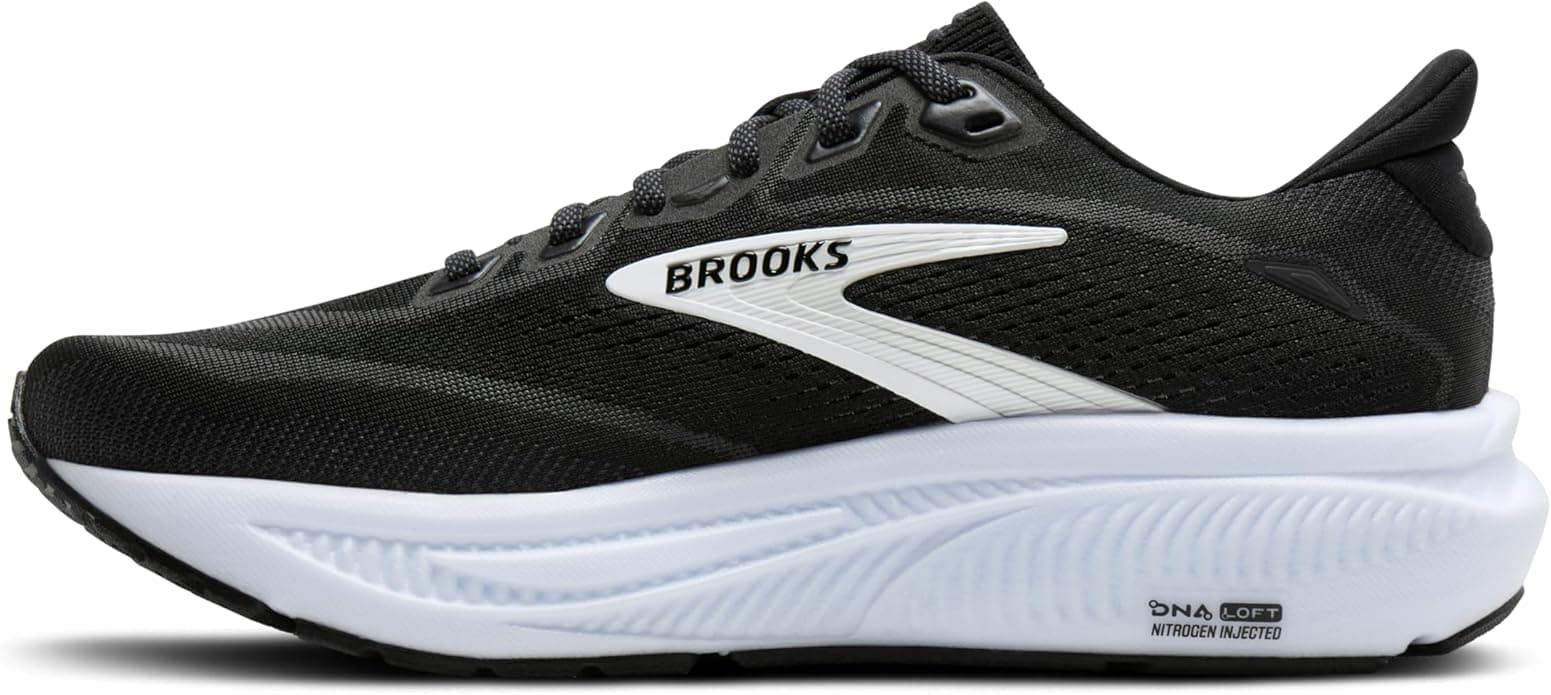
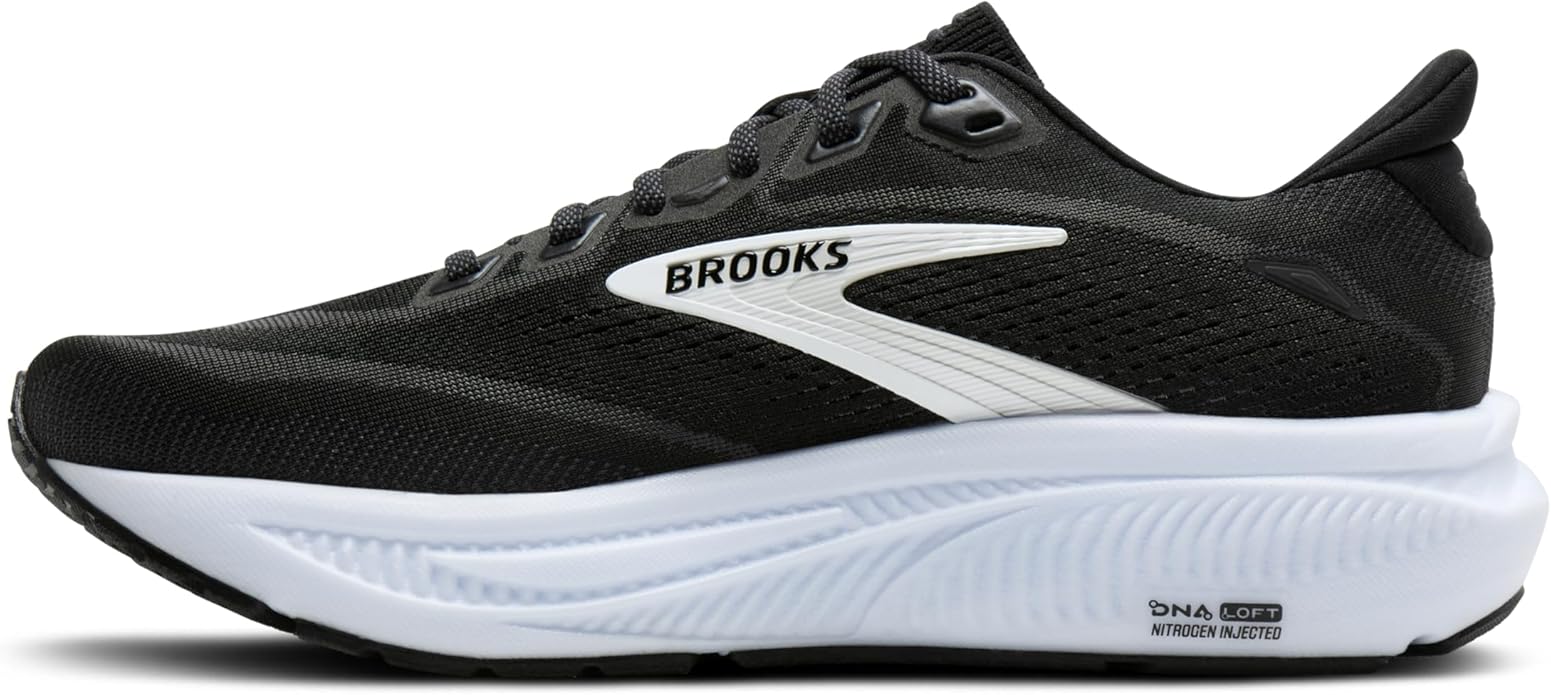


Brooks Ghost 18 Review
An aggregated overview based on reviewer and runner feedback.
Disclaimer: AI was used to help provide an unbiased perspective on this topic, and all content was carefully fact-checked and edited by human running-shoe analysts. It reflects aggregated opinions from reviewers and runners and does not represent firsthand testing. Learn more →
Overview & Quick Verdict
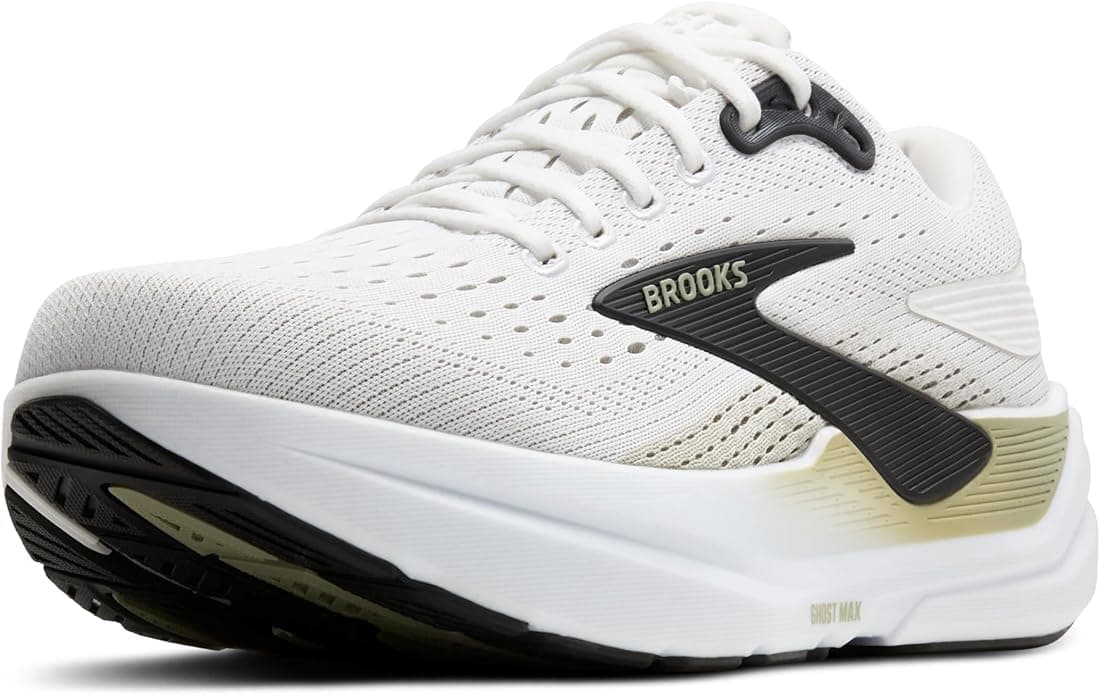
The Brooks Ghost 18 is the 18th iteration of one of the best-selling running shoes ever made, and it arrives in 2026 doing what the Ghost has always done: change just enough to stay current without disturbing the formula that keeps its loyal base coming back. Released April 30, 2026 at $150, it keeps the DNA Loft v3 foam and 10mm drop from the Ghost 17 while introducing a triple-jacquard engineered air-mesh upper, a new flat-knit pillow tongue, an OrthoLite X-60 sockliner, and a slightly roomier toe box.
Across more than a dozen independent sources — including lab-based reviews from RunRepeat and Doctors of Running, multi-tester field reviews from Road Trail Run and Believe in the Run, and retailer feedback from Fleet Feet, Running Warehouse, and RunToTheFinish — the Ghost 18 earns consistent praise for exactly what it has always been praised for: reliability, durability, and a stable, grounded daily-training ride. It is not exciting. That is, for its target audience, almost entirely the point.
Where consensus fractures is on the upper — specifically its warmth and fit for wider feet — and on whether the shoe's traditional ride feel is a virtue or a liability in a market that has shifted dramatically toward plush, bouncy, rockered designs. If you already love the Ghost, the 18 is an easy upgrade. If you were hoping this version would finally add energy return and modern foam feel, it hasn't.
Key Stats
- Brand: Brooks
- Model: Ghost 18
- Category: Neutral road daily trainer
- Terrain: Road / pavement
- MSRP: $150
- Weight: 10.2 oz / 289g (men's US 9, per Brooks and most reviewer sources)
- Stack Height: 36.5mm heel / 26.5mm forefoot (Brooks official); 37.3mm / 25.1mm (RunRepeat lab)
- Drop: 10mm (Brooks official); ~12.2mm (RunRepeat lab measurement)
Best For / Not Ideal For
Best For
- Long-time Ghost fans who want the same familiar ride with a refined upper
- Heel strikers who benefit from the shoe's high-drop geometry and stable platform
- Beginner and casual runners who want one dependable shoe for easy runs, walking, and daily wear
- Runners who prioritize durability and consistency over performance-oriented features
- Anyone on their feet all day — nurses, retail workers, and commuters who need all-day comfort
Not Ideal For
- Runners seeking a bouncy, energetic, or high-rebound midsole
- Forefoot and midfoot strikers who may not benefit from the high-drop geometry
- Wide-footed runners or those with high-volume feet who need generous toe box room
- Runners training for speed work, tempo sessions, or racing
- Hot-weather runners who need maximum upper breathability
Pros
- Proven durability. Throughout the previous iterations of the Ghost line, multiple long-term testers report 400–500 miles of use before meaningful wear, and in this version, RunRepeat's lab recorded just 0.8mm of outsole material loss in abrasion testing — one of the stronger results in the daily trainer category.
- Stable for a neutral shoe. The combination of a moderately firm DNA Loft v3 midsole, substantial heel flare, and thick RoadTack outsole creates a notably grounded and stable platform that suits a wide range of runners without requiring stability features.
- Improved upper is a genuine step forward. The new triple-jacquard engineered mesh, flat-knit pillow tongue, and OrthoLite X-60 sockliner represent the most meaningful comfort upgrade to the Ghost upper in several iterations, with better step-in feel and improved tongue placement cited across nearly every review.
- Slightly roomier toe box. Brooks added modest volume to the forefoot compared to the Ghost 17, a change that registered positively with most testers — particularly those with medium to high-volume feet.
- Versatile width options. Four width options (narrow through extra wide) make fit accessible to a broader range of foot shapes than most competitors offer.
- Practical low-light feature. A reflective heel accent — absent from recent prior models — adds a useful safety layer for early-morning and post-sunset training.
Cons
- Below-average energy return. RunRepeat's lab measured foam stiffness at 40.5 AC and found DNA Loft v3 delivers below-average rebound by 2026 standards — a finding that aligns with the consistent field-review description of the ride as firm, balanced, and decidedly un-bouncy.
- Upper can run warm. Believe in the Run's testers flagged the triple-jacquard construction as warmer and more constricting than expected, and RunRepeat's lab rated breathability at 3 out of 5, noting that the visible midfoot perforations are largely cosmetic.
- Stiff heel counter. RunRepeat measured the heel counter at a 5/5 stiffness rating — the maximum in their scale. Runners with Haglund's deformity, Achilles sensitivity, or a preference for relaxed rearfoot construction may find this intrusive.
- Toe box still skews narrow for some. Despite the slight volume increase, Running Warehouse testers with higher-volume feet still reported pinky-toe discomfort on longer efforts, and Believe in the Run documented blistering during a long run.
- Heavy by modern standards. At 10.2 oz in a men's 9, the Ghost 18 sits in the heavier tier of daily trainers in 2026. RunRepeat noted room to trim 5–10% of weight without sacrificing the ride.
- Ride feel polarizes experienced runners. Several reviewers — including a coach at RunToTheFinish and a tester at Believe in the Run — found the Ghost 18's traditional ride lacking compared with newer foams, describing it as "meh," "boring," or "slappy" at a 10mm drop.
Ride & Feel
The Ghost 18 midsole tells the same story the Ghost has told for years: DNA Loft v3 foam, tuned for balance rather than excitement. RunRepeat's lab places the foam hardness at 40.5 AC — leaning slightly firm for a shoe marketed on comfort — and field reviewers consistently describe the ride as grounded, stable, and moderate in cushioning depth. Road Trail Run put it plainly: the Ghost delivers a "balanced underfoot feel that works best when you settle into steady daily mileage," and noted it is "a little boring" but effective.
What has changed from the Ghost 17 is a subtle softening in the heel. Multiple reviewers — including at Flawless Shoe Reviews and Road Trail Run — noted that heel landings feel marginally more forgiving than the 17, even though the foam compound is unchanged. RunRepeat's lab measured a 1.1mm increase in heel stack, which may account for the perception. The forefoot ride remains consistent with prior versions: firm, flexible, and offering very little in the way of propulsive energy.
One contested finding worth flagging: Brooks states a 10mm drop, but RunRepeat's independent caliper measurements produced 12.2mm — closer to the Ghost 16's traditional feel than the number on the box suggests. Several field reviewers noted the shoe feels higher-drop in practice, which is relevant for runners sensitive to heel-toe geometry.
Fit & Comfort
Most reviewers report the Ghost 18 fits true to size in length, with Running Warehouse, Doctors of Running, and Fleet Feet all landing at that consensus. The story is more nuanced in the forefoot. Brooks made a deliberate effort to open the toe box slightly compared to the Ghost 17, and for medium-volume feet the change registers positively — Fleet Feet's tester with high-volume feet found it "far more accommodating" than the previous version. However, Running Warehouse's tester with a higher-volume foot still experienced pinky-toe discomfort during longer efforts, and Believe in the Run's Lindsay developed blisters.
Step-in comfort received meaningful praise across the board, primarily driven by the new flat-knit tongue and OrthoLite X-60 sockliner. The tongue in particular drew consistent positive comments — its padded, non-gusseted construction stays in place better than prior Ghost tongues and reduces lace bite noticeably. The heel collar initially runs snug for some runners but was reported to break in well across multiple sources. PR Run & Walk's fit specialist summarized the overall ride feel as "unremarkable, in the best way possible."
Support & Stability
The Ghost 18 punches above its weight as a neutral shoe when it comes to stability. Doctors of Running described it as "one of the more stable neutral offerings you will see on the market currently," attributing this to the moderately firm midsole, significant sole flaring in both the heel and forefoot, and the thick RoadTack outsole acting as a structural base layer. Lockdown from the upper is widely praised — the upper wraps the foot securely without pressure points for most runners.
Brooks has intentionally resisted expanding platform width to chase stability trends, keeping the Ghost 18 on a geometry consistent with its long-running identity. For neutral runners with standard to mild overpronation, this is a non-issue. Heavy overpronators are better served by Brooks' dedicated stability lineup. Runners with Achilles sensitivity or those recovering from calf strain may find the high actual drop (12.2mm measured) helpful for reducing tendon load.
Traction & Durability
The RoadTack rubber outsole continues to be one of the Ghost's most dependable features. Road Trail Run reported "consistently solid" traction on wet pavement and light gravel with minimal visible wear after 50+ miles, and RunRepeat's abrasion testing recorded just 0.8mm of wear — a strong result that reflects Brooks' deliberate choice to use a thick 3.5mm rubber layer, even at the cost of some weight. The outsole flex grooves maintain smooth transitions across footstrike patterns.
Long-term durability remains a Ghost hallmark. Multiple reviewers cite 400–500 miles as a realistic lifespan — above average for a daily trainer — and the RoadTack compound has a well-documented track record across prior Ghost iterations. For runners building a training base and wanting a shoe they can run deeply into a cycle without worry, durability is a genuine strength here.
Energy Return & Performance
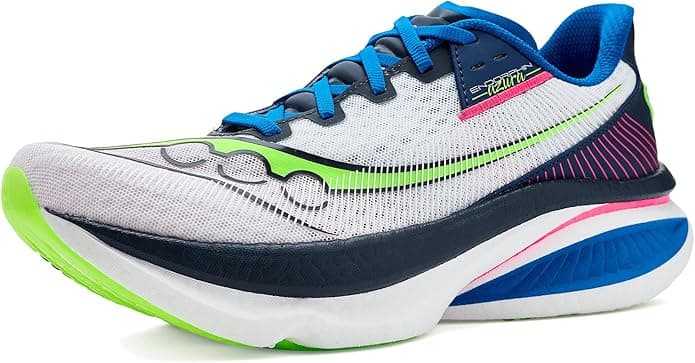
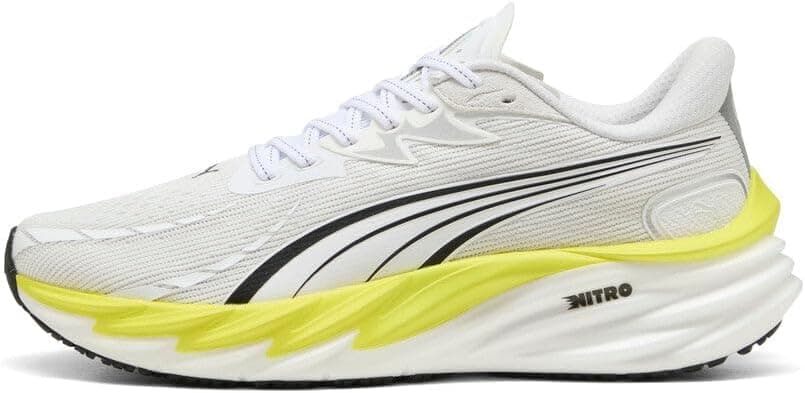
Energy return is the Ghost 18's most significant limitation relative to the 2026 daily trainer market. RunRepeat's lab rated the foam rebound as below average, a finding that aligns with the near-universal reviewer description of the ride as firm and balanced rather than lively. Believe in the Run called it the "bread and butter" of Brooks — consistent, sold in enormous numbers, but generating little energy per stride compared to competitors like the Saucony Ride 19 or PUMA Velocity Nitro 4.
The shoe is not designed for speed work, tempo runs, or racing, and reviewers are unanimous on this point. Where it does perform reliably is across easy and moderate daily mileage — the pace range where most recreational runners log the majority of their training. Doctors of Running noted the shoe works across a variety of footings and efforts "so long as you understand what you're asking of it," and Running Warehouse's testers found it confident through hills and turns. As a pure performance tool, the Ghost 18 is outclassed by the current generation of super trainers; as a workhorse for building weekly mileage, it remains fit for purpose.
Final Verdict
The Brooks Ghost 18 is exactly what it was designed to be: a trustworthy, durable, stable daily trainer that doesn't ask much of the runner and doesn't promise much beyond consistency. The upper upgrades are real and noticeable — the flat-knit tongue, improved mesh, and roomier toe box make the Ghost 18 the most comfortable Ghost to step into in several iterations. The ride underneath, however, is unchanged in any meaningful way, and in a market that has moved aggressively toward softer foams, rockered geometry, and higher energy return, that gap is more apparent than ever.
For Ghost loyalists, beginners, heel strikers, and anyone who values durability and predictability over excitement, the 18 is an easy recommendation. For runners who have been hoping the Ghost would finally modernize its midsole feel, this is not that version. The shoe knows what it is, and it does it well.
Alternatives to Consider
Not quite the right fit? Here are some shoes worth comparing.
Frequently Asked Questions
The midsole and drop are effectively unchanged — both use DNA Loft v3 foam with a 10mm stated drop. The main differences are in the upper: the Ghost 18 upgrades to a triple-jacquard engineered mesh (from double jacquard), adds a flat-knit pillow tongue, introduces an OrthoLite X-60 sockliner, and opens the toe box slightly. The heel feel is marginally softer, likely due to a small stack height increase. If you liked the Ghost 17, you'll like the 18; the core ride experience is preserved.
Yes — it is one of the most frequently recommended shoes for new runners across retailer and independent review sources. Its stable neutral platform, forgiving heel geometry, broad width options, and straightforward fit make it an accessible starting point. Beginners who want more cushioning or bounce may eventually want to explore options like the Ghost Max or Clifton, but the Ghost 18 is a reliable and low-risk first shoe.
Yes. The Ghost line has a long-established following among walkers and on-your-feet professionals, and the Ghost 18 continues that tradition. Its stable platform, durable outsole, and comfortable upper make it suitable for all-day wear. PR Run & Walk specifically called it one of the better walking shoes on the market despite its running classification.
Most reviewers report true-to-size fit in length. The toe box is slightly roomier than the Ghost 17 but still skews toward medium volume — runners with wide or high-volume feet should consider going up a half size or opting for a wide or extra-wide option. Brooks offers four widths, which helps accommodate a broad range of foot shapes.
Brooks officially lists a 10mm drop. However, RunRepeat's independent lab measurement produced a 12.2mm drop using calipers — meaningfully higher than the stated spec. Several field reviewers noted the shoe feels closer to a 12mm shoe in practice, and runners transitioning from the Ghost 16 (which was also 12mm) may find the Ghost 18 more familiar than the Ghost 17 felt.
Yes — it is specifically well-suited to heel strikers. The high drop geometry, substantial heel stack, and firm but cushioned heel landing create a comfortable and controlled experience for rearfoot footstrike patterns. RunRepeat noted the shoe's geometry and heel concentration of foam are clearly designed with heel strikers in mind.
Multiple long-term testers and community runners report 400–500 miles before meaningful breakdown, which is above average for a daily trainer. RunRepeat's outsole abrasion testing supports this, recording only 0.8mm of material loss. The RoadTack rubber's 3.5mm thickness provides a meaningful durability buffer.
Key Sources
RunRepeat — https://runrepeat.com/brooks-ghost-18
Doctors of Running — https://www.doctorsofrunning.com/2026/05/brooks-ghost-18-review-2026.html
Believe in the Run — https://believeintherun.com/shoe-reviews/brooks-ghost-18-review/
Road Trail Run — https://www.roadtrailrun.com/2026/05/brooks-ghost-18-review-with-5.html
Running Warehouse — https://www.runningwarehouse.com/reviews/brooks-shoe-reviews/brooks-ghost-18.html
Fleet Feet — https://www.fleetfeet.com/blog/brooks-ghost-18-review-your-go-to-gets-an-upgrade
RunToTheFinish — https://runtothefinish.com/brooks-ghost-18-review/
PR Run & Walk — https://prrunandwalk.com/blogs/news/brooks-ghost-18-review
Marathon Sports — https://www.marathonsports.com/blog/brooks-ghost-18-review-a-classic-for-a-reason
Flawless Shoe Reviews — https://flawlessshoereviews.com/brooks-shoes/brooks-ghost-18-review/
Mountaineer Journey — https://mountaineerjourney.com/blog/brooks-ghost-18-review
Road Runner Sports — https://www.roadrunnersports.com/blog/brooks-ghost-18-review
Reddit (r/brooks) — https://www.reddit.com/r/brooks/comments/1teq25q/ghost_18_firmer_than_17/
Reddit (r/brooks) — https://www.reddit.com/r/brooks/comments/1suk4jk/ghost_18s_are_great/