
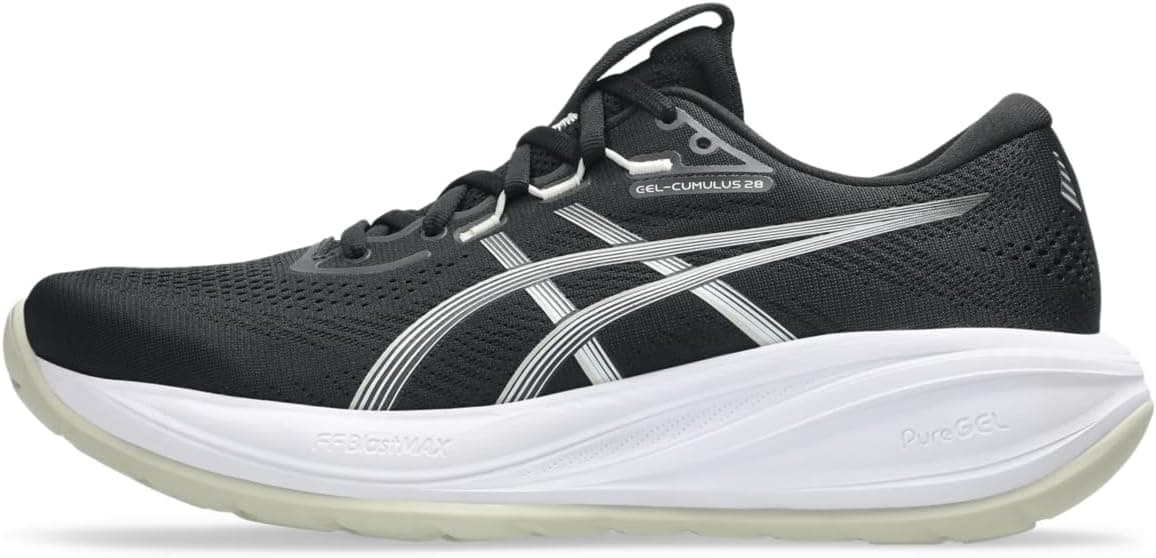


ASICS Gel-Cumulus 28 Review
An aggregated overview based on reviewer and runner feedback.
Disclaimer: AI was used to help provide an unbiased perspective on this topic, and all content was carefully fact-checked and edited by human running-shoe analysts. It reflects aggregated opinions from reviewers and runners and does not represent firsthand testing. Learn more →
Overview & Quick Verdict
The ASICS Gel-Cumulus 28 is the 28th iteration of one of running's most enduring daily trainers — a shoe that has been on shelves since 1999 and has outlasted dozens of trend cycles without ever demanding the spotlight. Version 28, released February 1, 2026, is a more meaningful update than the series typically delivers: a new FF BLAST MAX midsole replaces the FF BLAST+ compound from the 27, the upper is rebuilt with a more flexible engineered mesh, the heel bevel is redesigned for smoother transitions, and harder rubber is added to the outsole to address the 27's durability shortcomings.
The broad consensus across field reviews and multi-tester publications is that this is the best Cumulus in several years — noticeably springier and more dynamic than its predecessor without abandoning the stability and predictability that define the series. Road Trail Run's seven-tester panel, Meta-Endurance, Flawless Shoe Reviews, and Running Well Store all describe a shoe that finally has life underfoot.
The dissenting voice is meaningful, however. RunRepeat's lab analysis measured energy return at just 50.5–52.5% — below the current market average — and Running Shoes Guru calls the ride "flat" and "too dull," arguing that the FF BLAST MAX in this shoe performs nothing like the same compound in the Novablast 5. This split is the defining tension in the Cumulus 28's review ecosystem, and buyers should weigh it carefully before purchasing.
Key Stats
- Brand: ASICS
- Model: Gel-Cumulus 28
- Category: Neutral cushioning daily trainer
- Terrain: Road
- MSRP: $145 (Running Warehouse lists $139.95)
- Weight: 9.0–9.1 oz / 255–259g (men's US9 per ASICS and Running Warehouse); RunRepeat lab-measured 8.9 oz / 252g
- Stack Height: 38.5 mm heel / 30.5 mm forefoot (ASICS official)
- Drop: 8 mm (advertised); 13.3 mm (RunRepeat lab-measured)
Best For / Not Ideal For
Best For
- Neutral heel strikers seeking a comfortable, predictable daily trainer
- Beginner and intermediate runners wanting a low-drama, do-it-all shoe
- Runners logging easy-to-moderate mileage (5–20 km per session)
- Loyal Cumulus users who found the 27 too flat or muted underfoot
- Runners wanting a single versatile shoe that handles daily miles, walking, and occasional gym use
- Heavier runners who benefit from a resilient, high-stack foam that doesn't compress easily under load
Not Ideal For
- Forefoot or midfoot strikers — the measured 13.3 mm drop is significantly higher than the advertised 8 mm and can feel intrusive for non-heel-strikers
- Speed-focused runners wanting strong propulsive pop for intervals or tempo efforts
- Runners expecting the same bouncy feel as the Novablast 5 — the FF BLAST MAX behaves more conservatively here
- Wide-footed runners who need generous toe box volume — going up a half size is recommended by several sources
Pros
- Meaningful upgrade over the Cumulus 27. The switch from FF BLAST+ to FF BLAST MAX results in a ride that nearly all field testers describe as noticeably springier, smoother, and less "flat" than the previous version — a clear step forward for a series that had been criticized for feeling dull.
- Redesigned heel bevel creates genuinely smoother transitions. Multiple reviewers specifically call out the updated rearfoot geometry as one of the most felt-but-not-seen improvements, producing a natural forward roll on landing rather than the blocky rearfoot of past iterations.
- Improved upper is more breathable and flexible. The new engineered mesh is consistently described as softer, lighter, and more accommodating than the v27 upper, with a stretch lacing system and secure midfoot lockdown that earns praise across sources.
- Wider toe box than the 27. RunRepeat measured the toe box at 74.4 mm, up from 71.1 mm in v27 — a real improvement confirmed independently by multiple field testers who noted more room for toe splay during longer efforts.
- Outsole durability improved from v27. The addition of AHAR LO rubber in high-wear zones addresses one of the Cumulus 27's most common complaints; reviewers and road trail testers note improved grip confidence on both wet and dry asphalt.
- No break-in period. Several reviewers — including Running Shoes Guru and RunningXpert — note the shoe felt comfortable and ready from the first run, with no hot spots or adjustment period.
- Price held steady. At $145 MSRP, ASICS did not raise the price despite switching to a more advanced midsole compound — a choice highlighted as positive by Meta-Endurance relative to competitor pricing trends.
Cons
- Energy return is below market average. RunRepeat's lab recorded 50.5% in the heel and 52.5% in the forefoot, both clearly below current average, and Running Shoes Guru describes the midsole as "dense and firm without any energy return" — a significant dissenting voice against the majority field-tester consensus.
- Measured drop is much higher than advertised. RunRepeat's lab found an actual drop of 13.3 mm versus the listed 8 mm — making this shoe better suited to heel strikers than the spec sheet implies, and potentially problematic for those who specifically seek a lower differential.
- Not suited for speed work. Across all sources, the Cumulus 28 is framed as a daily trainer rather than a workout shoe — runners looking for uptempo pop will need to look elsewhere.
- Heel pull tab removed. Present on the v27, it has been deleted from the 28 — a minor but recurring complaint from reviewers who used it for easy entry, and a detail worth flagging for those with dexterity considerations.
- Some runners report laces run slightly short. A recurring minor complaint in community threads, particularly for runners who use a heel-lock lacing technique; this may require aftermarket lace replacement.
- Long-term foam durability is unconfirmed. Meta-Endurance raises a reasonable concern about FF BLAST MAX potentially compressing prematurely, drawing on similar behavior observed in the Novablast 5. With the shoe only a few months on market, no long-term durability data (300+ miles) yet exists.
Ride & Feel
The central story of the Cumulus 28 is the midsole swap, and the majority of reviewers report it as a real, felt change rather than a paper upgrade. The shoe is described as noticeably springier and more alive underfoot than the 27, with a smoother heel-to-toe transition and a ride that works across a range of easy-to-moderate paces without feeling flat or dead. Road Trail Run's multi-tester panel and RunningXpert both describe the ride as comfortable and predictable from the first step, with cushioning that holds up across longer distances.
The dissent from Running Shoes Guru and RunRepeat's lab data is significant enough to flag prominently: both sources find the FF BLAST MAX here behaves more like FF BLAST+ than the same compound in the Novablast 5 or Glideride Max. The POE foam appears to be tuned or compressed differently in the Cumulus geometry, resulting in a muted response relative to ASICS' more energetic models. Runners who have tested both the Cumulus 28 and the Novablast 5 should not expect the same sensation.
At very easy recovery paces, some reviewers — including Meta-Endurance and SportsShoes — note the ride can feel slightly firmer than expected. The shoe performs best at moderate daily training paces rather than at the extremes of the effort range.
Fit & Comfort
Fit is consistently reported as true to size across the majority of sources, with the caveat that runners with shorter or wider feet may benefit from a half size up. Running Shoes Guru specifically recommends going up for a more spacious interior; most other sources describe the fit as normal width and accommodating for standard foot shapes.
The updated upper is one of the clearest improvements over the v27. Reviewers across Road Trail Run, SportsShoes, and Running Well Store describe the engineered mesh as softer and more flexible, with a stretch tongue and lacing system that achieves midfoot lockdown without over-tightening. The heel cup is well-padded and provides solid lockdown for most foot shapes, though Meta-Endurance notes it may feel slightly wide for runners with very narrow heels.
Step-in comfort is broadly praised with no break-in period reported, and the OrthoLite X-30 sockliner contributes to a smooth underfoot feel. The removal of the heel pull tab is a minor ergonomic setback for some users but is not flagged as a functional problem by any source.
Support & Stability
Despite carrying a neutral classification, the Cumulus 28 earns consistent praise for its inherent stability — a characteristic attributed to its wide midsole platform, flared heel geometry, and pronounced heel counter. RunRepeat highlights the platform width and stable geometry as key strengths in lab testing, and Road Trail Run describes reliable midfoot support throughout sustained efforts.
The shoe is not a stability shoe and carries no medial post or guidance system. However, the wide base and firm secondary FluidRide layer functionally stabilize the platform enough that mild overpronators report acceptable comfort. The heel flare and curvature are specifically noted by RunRepeat as features that make the shoe well-suited to heel strikers, smoothing out landings that might otherwise be abrupt on a flatter geometry.
The shoe's forefoot remains flexible, which aids natural toe-off but means it does not provide the forefoot stiffness protection some injury-prevention scenarios might require.
Traction & Durability
Outsole durability is one of the most concrete improvements over the Cumulus 27, where FluidRide-only construction was a documented weakness. The Cumulus 28 adds AHAR LO rubber in key high-wear zones — particularly the heel and forefoot — and multiple reviewers across Road Trail Run and Flawless Shoe Reviews confirm improved grip and early durability confidence relative to the previous version. Road Trail Run's Ingrid notes no stone-trapping from the shallow tread pattern, and grip performance on both wet pavement and light gravel is described as reliable.
RunRepeat records a traction score of 0.52 on wet surfaces, a small but measurable improvement over the 27's 0.50. The FluidRide outsole material — foam-based rather than rubber in the non-AHAR zones — does contribute to a slightly softer underfoot feel that some reviewers describe as firmer-than-expected once the shoe is broken in, though this does not appear to compromise traction in real-world conditions.
Energy Return & Performance
This is the most contested dimension of the Cumulus 28 and the one where reviewers diverge most sharply. The majority of field testers — including Road Trail Run's panel, Meta-Endurance, Flawless Shoe Reviews, and The Run Testers' YouTube review — describe the FF BLAST MAX as delivering a meaningful, felt improvement in responsiveness over the Cumulus 27. The shoe is called "springier," "more dynamic," and "more alive" by these sources, and several describe it as capable of handling moderate-paced efforts without feeling labored.
RunRepeat's lab data tells a more sobering story: 50.5% energy return at the heel and 52.5% at the forefoot are both below the current average for road trainers, and the switch from FF BLAST+ to FF BLAST MAX produced almost no measurable change in shock absorption (139 SA heel, 110 SA forefoot — nearly identical to the v27). Running Shoes Guru independently arrives at a similar conclusion through field testing, describing the midsole as performing more like FF BLAST+ than MAX.
The reconciliation between these two perspectives likely lies in relative comparison: field testers are measuring the Cumulus 28 against the Cumulus 27 (where any improvement feels significant), while lab-focused reviewers are measuring it against the broader market. Both readings are accurate. Against its direct predecessor, the shoe is meaningfully more responsive. Against top-tier daily trainers with higher energy return, it remains conservative.
Final Verdict
The Cumulus 28 is the best version of this shoe in recent memory, and for its intended audience — beginners, heel strikers, and runners who want a dependable daily trainer without drama — it delivers on nearly every front. The midsole update is real, the upper is improved, the outsole is more durable, and the heel bevel makes for a noticeably smoother ride. ASICS also held the price line in a market where competitors have been increasing MSRPs, which adds genuine value to the package.
The honest caveat is that the Cumulus 28 remains a conservative shoe. Lab data confirms that energy return is below current market average despite the foam upgrade, and the measured drop of 13.3 mm makes it far better suited to heel strikers than the listed 8 mm spec implies. Runners expecting the same lively feel as the Novablast 5 will be disappointed — this is not that shoe.
What the Cumulus 28 is, reliably and without apology, is the running equivalent of a well-built daily workhorse: comfortable, stable, durable, and ready on any given day without needing to be coaxed into performing. For the large portion of runners that's exactly what serves, version 28 is an easy recommendation.
Alternatives to Consider
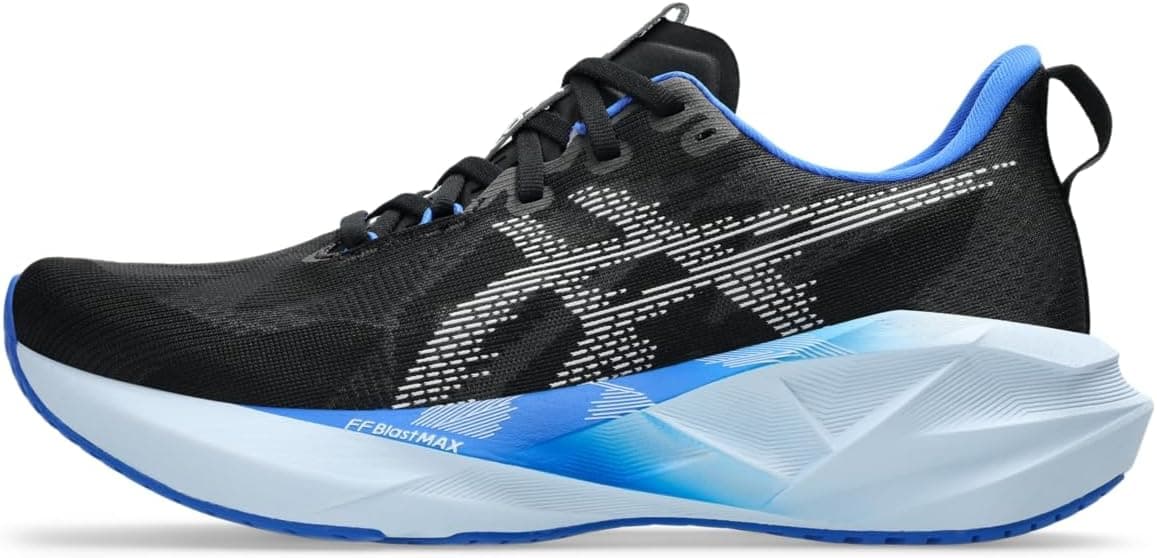
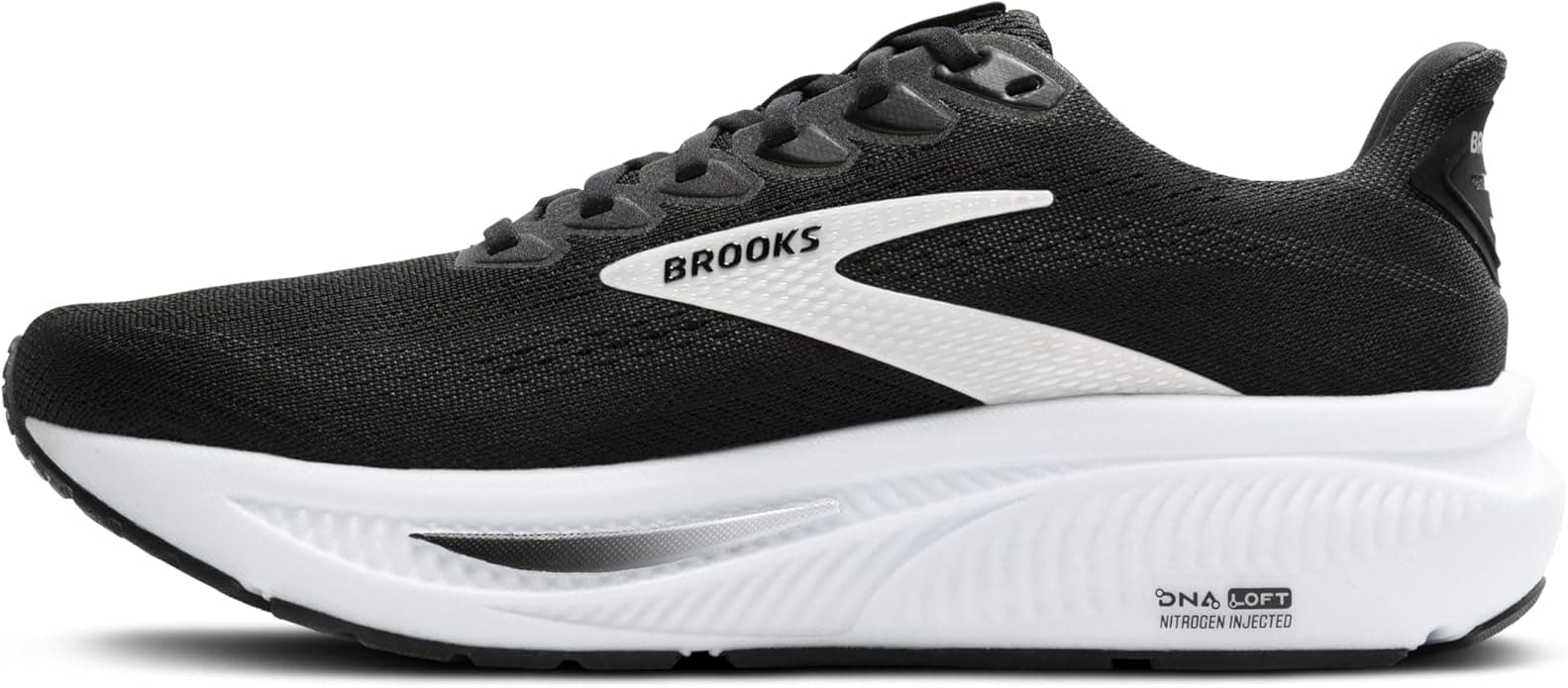
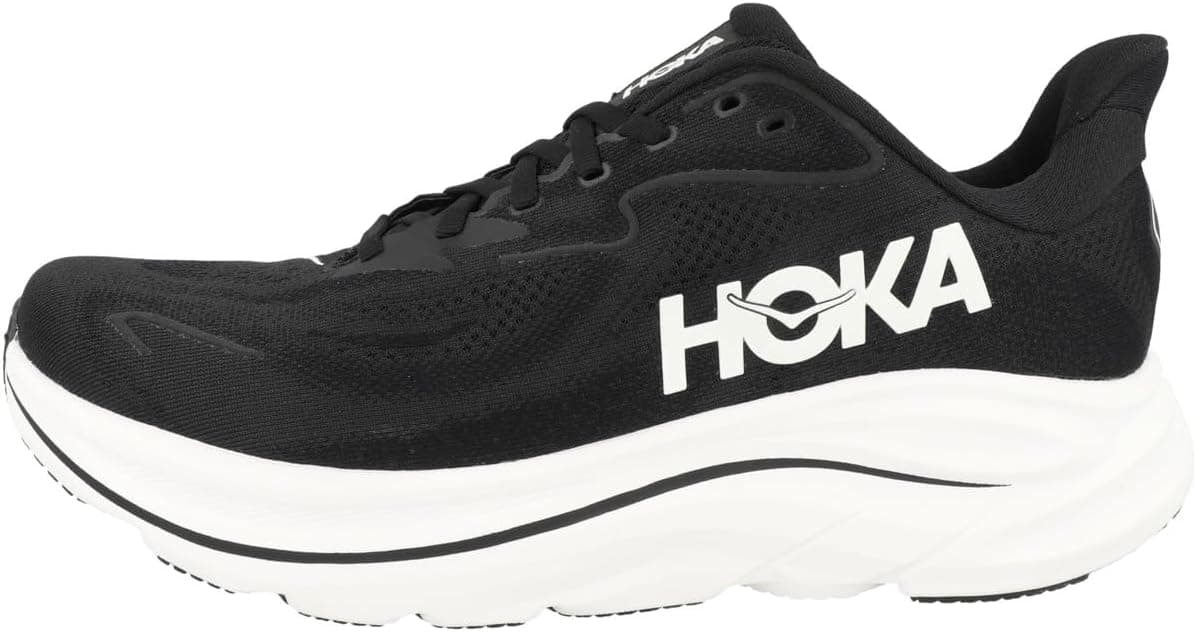
Not quite the right fit? Here are some shoes worth comparing.
Frequently Asked Questions
It works well for the easy-to-moderate majority of marathon training mileage — long easy runs, recovery days, and general aerobic work. It is not the right shoe for speed sessions, intervals, or race day, where a more responsive or plated shoe would be a better fit. Most marathon training plans benefit from a rotation, and the Cumulus 28 occupies the easy-day slot well.
The Novablast 5 is significantly more energetic and bouncy — both in lab testing and field reviews. The Cumulus 28 is more stable and more predictable, making it better for heel strikers and runners who want a quiet ride. If bounce and fun factor are priorities, the Novablast is the better choice. If stability and reliability matter more, the Cumulus wins.
Most reviewers report true-to-size fit for standard foot shapes. Runners with wider feet or those who prefer more toe box room should consider going up a half size — Running Shoes Guru specifically recommends this. The shoe is available in wide widths in select markets for those who need additional volume.
ASICS advertises 8 mm, which is the standard across most retailer listings. RunRepeat's lab measured 13.3 mm as the actual differential between heel and forefoot height. This discrepancy is common when brands measure compressed stack heights rather than standing heights. In practical terms, the shoe feels like a higher-drop trainer on foot — well suited to heel strikers, but potentially uncomfortable for forefoot-dominant runners.
The Cumulus 28 is a neutral shoe with no medial post or dedicated arch support structure. It does, however, have a wide, stable platform and firm lateral base that many runners — including mild overpronators — find supportive. Runners with significant overpronation should look at ASICS' stability line (GT series or Kayano) instead.
By the standards of this series, yes. The midsole switch from FF BLAST+ to FF BLAST MAX is the biggest single change, and nearly all field reviewers describe a noticeable improvement in ride feel and responsiveness versus the 27. RunRepeat's lab data shows the energy return improvement is modest in absolute terms, but the redesigned heel bevel, updated upper, and improved outsole durability make this a meaningful overall update rather than a cosmetic refresh.
Key Sources
ASICS Official — https://www.asics.com/us/en-us/gel-cumulus-28/p/ANA_1011C143-002.html
RunRepeat (lab review) — https://runrepeat.com/asics-gel-cumulus-28
Running Shoes Guru — https://www.runningshoesguru.com/reviews/road/asics-gel-cumulus-28-review/
Road Trail Run (multi-tester) — https://www.roadtrailrun.com/2026/03/asics-gel-cumulus-28-multi-tester.html
Running Warehouse (specs) — https://www.runningwarehouse.com/ASICS_Gel_Cumulus_28/descpage-AGC28M6.html
Meta-Endurance — https://meta-endurance.com/asics-gel-cumulus-28-review/
Flawless Shoe Reviews — https://flawlessshoereviews.com/asics-shoes/asics-gel-cumulus-28-review/
Marathon Sports — https://www.marathonsports.com/blog/asics-gel-cumulus-28-review-modern-upgrades-in-a-go-to-shoe
The Running Well Store — https://therunningwellstore.com/blogs/blogs/asics-gel-cumulus-28-review
RunningXpert — https://www.runningxpert.com/en/inspiration/test-asics-gel-cumulus-28
SportsShoes — https://www.sportsshoes.com/advice/running-hub/kit-gear/asics-gel-cumulus-28-review
Runner's World — https://www.runnersworld.com/gear/a71184640/asics-gel-cumulus-28-walking-shoe-review/
Fordy Runs — https://www.fordyruns.com/post/asics-gel-cumulus-28-review
Run and Become — https://www.runandbecome.com/running-product-reviews/shoes/asics-cumulus-neutral
RunLovers — https://runlovers.it/en/2026/asics-gel-cumulus-28-review-new-features/
YouTube — The Run Testers — https://www.youtube.com/watch?v=39pWH8IS788
Reddit / r/RunningShoeGeeks — https://www.reddit.com/r/RunningShoeGeeks/comments/1qdlse3/asics_gelcumulus_28_launching_february_1st/
Reddit / r/AskRunningShoeGeeks — https://www.reddit.com/r/AskRunningShoeGeeks/comments/1pwyjr3/asics_gel_cumulus_28/